


Food aggression is pretty common, but that doesn’t make it any less frustrating when your pup thinks they need to defend every kibble like it’s a gold nugget. The good news is, there are ways to handle it without turning every meal into a standoff. From simple changes to tried-and-true training tricks, here are some ways to help your dog chill out at mealtime and stop acting like they’re guarding a treasure chest.


Feed in a Quiet, Separate Space


If your dog is food aggressive, feeding them in a calm, isolated area can help reduce stress. By giving them a quiet space where they don’t feel threatened or distracted, they’re less likely to react defensively. This approach minimizes competition for food and can make mealtime a more peaceful experience for both of you.
Hand-Feeding


Hand-feeding can help build trust between you and your dog, showing them that hands near their food aren’t a threat. Start by feeding small amounts from your hand, so they associate your presence with positive experiences. Over time, this can reduce their fear of losing food and lessen their aggressive behavior.
Use Puzzle Feeders or Slow Feeders


Dogs that are food aggressive often eat too fast, increasing anxiety. Puzzle feeders or slow feeders can make mealtime a little more engaging and slow down their eating. By turning it into a mental exercise, they’re more focused on the task than guarding their bowl, which can help reduce aggression.
Gradually Desensitize to Presence Near Bowl


Start by standing a few feet away while your dog eats, gradually moving closer over time. The goal is to get them comfortable with you being near their food without reacting. It’s a slow process, but consistency is key—eventually, they’ll see that your presence doesn’t mean their food is in danger, helping to ease their anxiety.
Teach “Leave It” Command


Teaching your dog the “leave it” command gives you better control over their behavior around food. If they learn to release or step back from food on command, they’re less likely to react aggressively. This training reinforces that food isn’t a scarce resource they need to guard, and it helps establish boundaries during mealtime.
Avoid Punishment


Punishing a dog for food aggression can make things worse by increasing their anxiety and reinforcing their fear of losing food. Instead of punishment, use positive reinforcement to reward calm behavior around food. This helps them learn that staying relaxed earns them treats and praise, shifting their focus away from guarding.
Feed Multiple Dogs Separately


If you have more than one dog, food aggression can be triggered by competition. Feeding dogs in separate rooms or crates ensures they don’t feel the need to guard their meals from each other. This reduces stress and lets each dog eat at their own pace, without worrying about another dog swooping in.
Use Positive Reinforcement with Treats

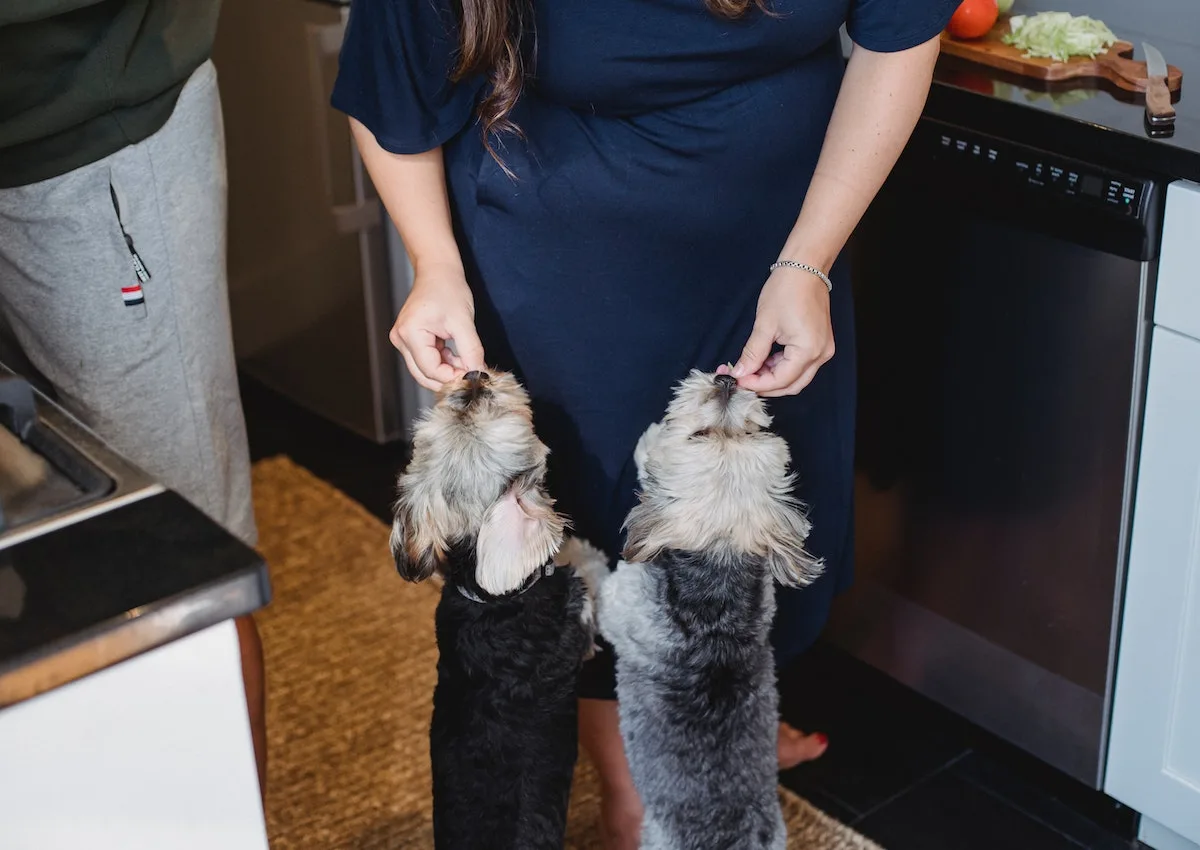
Rewarding your dog for calm behavior around their food can reinforce good habits. If they stay relaxed while eating, toss them a treat or offer praise. Over time, they’ll associate your presence with more food, not less, helping to ease their aggressive behavior.
Gradual Introduction to Removing Bowl


Slowly train your dog to be comfortable with you picking up their bowl. Start by adding more food to the bowl while they’re eating, so they see your hand as a positive thing. Gradually, you can practice briefly lifting the bowl and then putting it back, showing them they’ll still get their meal without needing to guard it.
Establish a Consistent Feeding Schedule

Consistency can reduce anxiety. By feeding your dog at the same time every day, they’ll learn to trust that their meals will come regularly, lowering the need to guard their food. Regular feeding times can help establish routine and stability, which in turn can reduce food-related stress.
Consult a Professional Trainer or Behaviorist


If your dog’s food aggression is severe, it may be time to bring in a professional. Trainers or behaviorists can assess your dog’s behavior and create a customized plan to address their aggression. They’ll offer expert guidance, especially if your dog has other behavioral issues contributing to their anxiety around food.
9 Dog Breeds That Are Extremely Food-Motivated (And How To Work With It)


Some dogs act like food is their entire reason for existing, and for certain breeds, that’s not too far from the truth. These food-driven pups will do just about anything for a treat, which can be both a blessing and a challenge. On the bright side, their snack obsession makes them easy to train. But if you’re not careful, it can lead to some unhealthy habits. Here are the breeds that are most food-motivated and how to manage that appetite without turning them into treat-demanding divas.
Read it Here: 9 Dog Breeds That Are Extremely Food-Motivated (And How To Work With It)
7 Tips To Stop Your Dog From Stealing Food Off The Table


Every dog owner has been in this situation at some point — one minute your plate is full, the next, your dog is making off with your sandwich like some kind of four-legged ninja. Dogs have an impressive knack for swiping food the second you look away, but it doesn’t have to be a battle of wits every meal. With a few smart moves (and maybe some patience), you can outsmart your furry thief and enjoy your dinner in peace.
Read it Here: 7 Tips To Stop Your Dog From Stealing Food Off The Table
*Select images provided by Depositphotos.