
Older dogs still need movement, just not the kind that leaves them sore or struggling. Staying active helps keep their muscles strong, their joints flexible, and their minds sharp. The key is finding exercises that are gentle but consistent. These low-impact activities give senior dogs the freedom to move comfortably while protecting their aging bodies.


Take Short Walks More Often


Regular walks remain one of the simplest and most effective ways to keep an older dog active. Instead of one long walk that leaves them tired, take several short strolls throughout the day. Ten or fifteen minutes at a slow pace is enough to stretch their muscles and stimulate their senses. Choose soft surfaces like grass or dirt instead of pavement to reduce joint strain, and let them stop and sniff. Those small breaks engage their brain and make the outing more enjoyable. Walking this way keeps their circulation steady without exhausting them.
Let Them Enjoy the Water
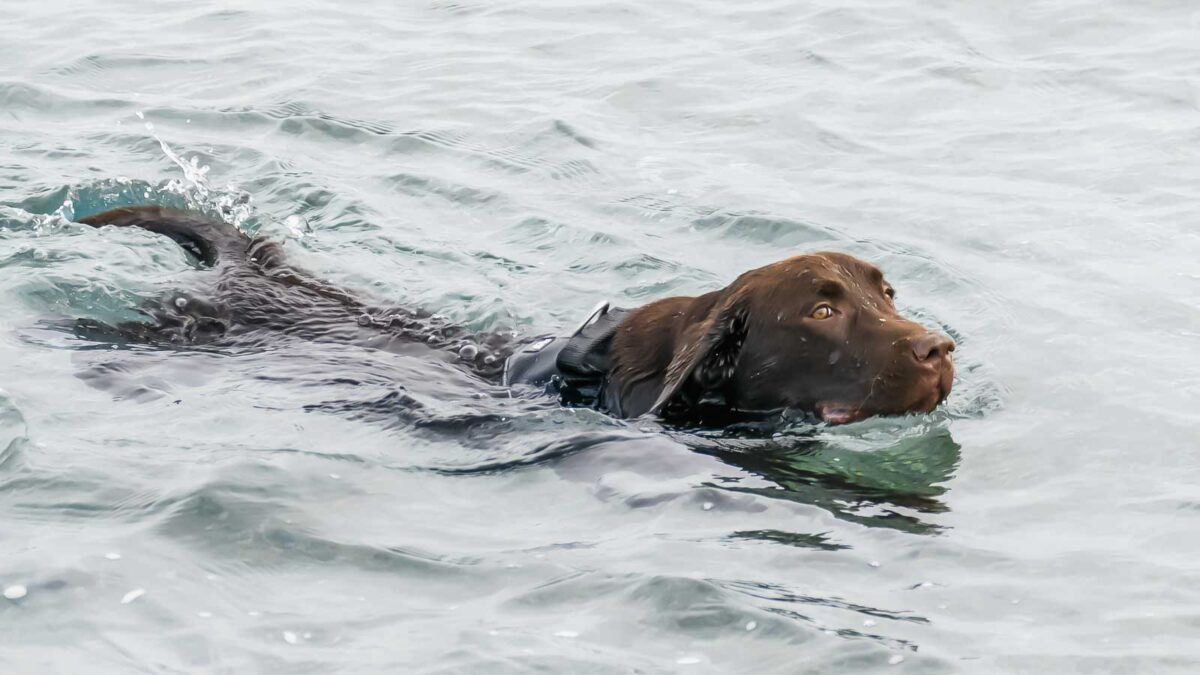

Swimming gives dogs a full-body workout while relieving pressure on their joints. The buoyancy of the water supports their weight, allowing them to move more freely than they can on land. Even short swims can help build muscle and improve flexibility. A dog-friendly pool or calm lake works well, as long as the water is warm enough to prevent stiffness. Stay nearby for safety and limit sessions to just a few minutes at first. Many dogs find the water soothing once they realize it lets them move without discomfort.
Play Gently Indoors or in the Yard


Older dogs may not chase tennis balls across the yard anymore, but they still enjoy playtime. Use soft, lightweight toys that are easy to grab and toss them short distances. A gentle game of fetch or tug can keep their reflexes sharp without tiring them out. Choose a carpeted area or grassy space where slipping is less likely. Keep the sessions short and focus on interaction instead of intensity. Regular, low-key play reminds them that exercise can still be fun, even if they are not moving as fast as they once did.
Incorporate Easy Balance Exercises


Helping your dog maintain balance and coordination becomes more important with age. You can create a simple routine at home using items like broomsticks, cones, or pillows. Have them step over low objects or weave slowly around small markers. These movements strengthen their core muscles and improve awareness of where their paws land. Always guide them calmly and reward each effort with praise. The goal is gentle movement that keeps their confidence and mobility intact, not a test of endurance.
Take Slow Walks on Nature Trails


Many senior dogs still love exploring the outdoors, they just need a slower pace and smoother terrain. Pick trails that are flat, shaded, and free of sharp rocks or steep hills. Bring water and take breaks whenever they show signs of fatigue. The new smells and sights stimulate their mind while the steady walking keeps their body flexible. Outdoor movement in fresh air can lift their mood, and the controlled pace helps them stay comfortable the entire time.
Use a Treadmill When Needed


A treadmill can be a practical solution when the weather is too hot, cold, or wet for outdoor walks. Use a dog-friendly treadmill or a slow setting on a human one with supervision. Keep the speed gentle and start with short sessions of five to ten minutes. Walk beside your dog for reassurance until they get used to the movement. Treadmill walks help maintain muscle tone and give structure to their exercise routine when outdoor conditions are less ideal.
Try Gentle Stair Work


If your dog’s joints allow it, a few careful trips up and down a short set of stairs can help build strength in their hind legs. Make sure the steps are carpeted or have good traction to prevent slipping. Stay next to them and stop immediately if they show signs of discomfort. A few slow repetitions are enough to maintain mobility. Stair exercises should be done only when your vet agrees that your dog’s joints are healthy enough for this kind of movement.
Turn Treat Time into a Game


Mental stimulation matters just as much as physical exercise. Hide small treats in different areas of the house or yard and encourage your dog to find them. This light activity engages their sense of smell and keeps them moving without pressure on their joints. Start with easy hiding spots and gradually make the search a little more challenging. These treasure hunts give them purpose, build confidence, and help maintain both mind and body coordination.
Play a Short Game of Gentle Fetch


A controlled game of fetch gives your dog a chance to move without overexertion. Choose a soft toy or ball that will not bounce far or land hard. Keep your throws short and avoid slick surfaces that could cause slipping. Fetch in moderation provides light aerobic activity and satisfies their natural urge to chase. It also strengthens your bond since they are moving with you, not for competition.
Use Support During Walks


Mobility aids can help older dogs stay active even when their stamina fades. Harnesses with handles give you control while reducing the strain on their joints. For very tired dogs, a stroller or wagon can extend outdoor time without forcing them to walk the entire way. Allow them to move for short stretches, then rest when needed. This balance lets them enjoy the sights and sounds of the outdoors without risking pain or fatigue.
Look Into Hydrotherapy Sessions


Underwater treadmill therapy is often available through rehabilitation centers and can be incredibly beneficial for aging dogs. The water supports their weight while the treadmill keeps their muscles engaged in a safe, controlled motion. The resistance of the water strengthens their body while minimizing the risk of injury. Sessions are usually supervised by trained professionals who adjust the intensity based on your dog’s ability. Regular hydrotherapy can help with arthritis, stiffness, and overall mobility.
Stretch and Massage After Activity


Gentle stretching helps prevent stiffness and supports recovery after walks or play. Guide your dog through slow leg extensions and back stretches while keeping them calm. Light massage over their shoulders and hips increases circulation and relieves tension. Always work within their comfort zone and avoid any movements that cause pain. This calm routine improves flexibility and gives you both a few quiet minutes together to wind down.
10 Tips to Keep Your Senior Dog Happy and Healthy


As dogs get older, they need a bit more care to stay happy and healthy. Simple changes in their routine can make a big difference in their well-being. From adjusting their diet to ensuring they get gentle exercise, there are plenty of ways to help your senior dog thrive. Here are some practical tips to keep your aging pup in great shape.
Read it Here: 10 Tips to Keep Your Senior Dog Happy and Healthy
The Surprising Benefits Of Owning A Senior Dog


Thinking about adopting a dog? Don’t overlook the seniors! Older dogs can be fantastic companions with their calm, relaxed demeanor and built-in good manners. They might not be as bouncy as puppies, but they come with their own set of surprising benefits.
Read it Here: The Surprising Benefits Of Owning A Senior Dog
*Select images provided by Depositphotos.