


Most people assume if something’s safe for them, it’s fine for their dog too. That logic doesn’t always hold up. A lot of common household products can cause real problems for your pet, even ones that seem completely harmless. Some can make your dog sick, others are straight-up toxic. You don’t have to panic every time your dog sniffs the counter, but it’s worth knowing what to keep out of reach. Here are the products that don’t belong anywhere near your dog.


Chocolate


Chocolate contains theobromine and caffeine, both of which are toxic to dogs. Dark chocolate and baking chocolate have the highest levels, making them especially dangerous. Even small amounts can cause vomiting, diarrhea, increased heart rate, and seizures. In severe cases, it can be fatal. Dogs are often drawn to chocolate because of the smell, so keep it stored securely out of reach.
Xylitol


Xylitol is a common artificial sweetener found in sugar-free gum, candy, toothpaste, and some baked goods. In dogs, it triggers a rapid insulin release that can cause a dangerous drop in blood sugar, leading to weakness, disorientation, seizures, and liver failure. The reaction can happen fast, and even tiny amounts can be life-threatening. Always read ingredient labels, especially on sugar-free products.
Grapes and Raisins


Grapes and raisins may seem harmless, but they can cause sudden kidney failure in dogs. The toxic compound is still not fully understood, and reactions vary by dog, which makes them especially risky. Even one grape or a small handful of raisins can be enough to trigger symptoms like vomiting, lethargy, and loss of appetite. Don’t assume a small amount is safe.
Onions and Garlic


These allium vegetables, whether raw, cooked, powdered, or dried, contain compounds that break down red blood cells in dogs. This can lead to hemolytic anemia, which causes weakness, pale gums, rapid breathing, and even organ failure in serious cases. Garlic tends to be more concentrated and therefore more dangerous, but both should be kept off your dog’s plate.
Lilies


While lilies are especially toxic to cats, certain varieties can also harm dogs if ingested. Some species can irritate the digestive tract and cause vomiting, diarrhea, or worse. Even licking the pollen or drinking water from a vase containing lilies can cause a reaction. If you have pets, it’s safest to avoid bringing lilies into the home altogether.
Antifreeze

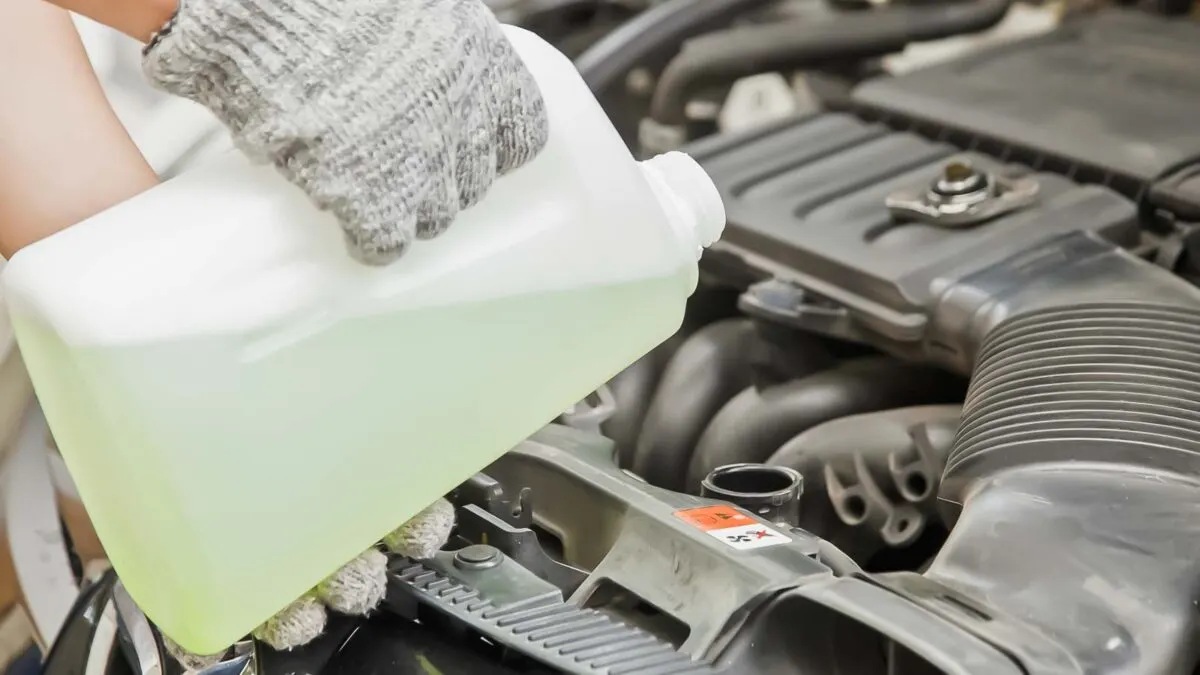
Antifreeze contains ethylene glycol, a sweet-tasting chemical that is deadly to pets. It only takes a few teaspoons to poison a dog. After ingestion, pets may appear drunk, followed by vomiting, seizures, and kidney failure. Without treatment, it almost always results in death. Store it carefully and clean up any spills immediately.
Household Cleaners


Many common cleaning products contain ammonia, bleach, or phenols, which are highly corrosive to pets. These chemicals can burn their paw pads, mouths, and internal organs if ingested or walked across. Even inhaling the fumes can irritate your dog’s lungs. Stick to pet-safe cleaners and keep all bottles sealed and out of reach.
Medications for Humans

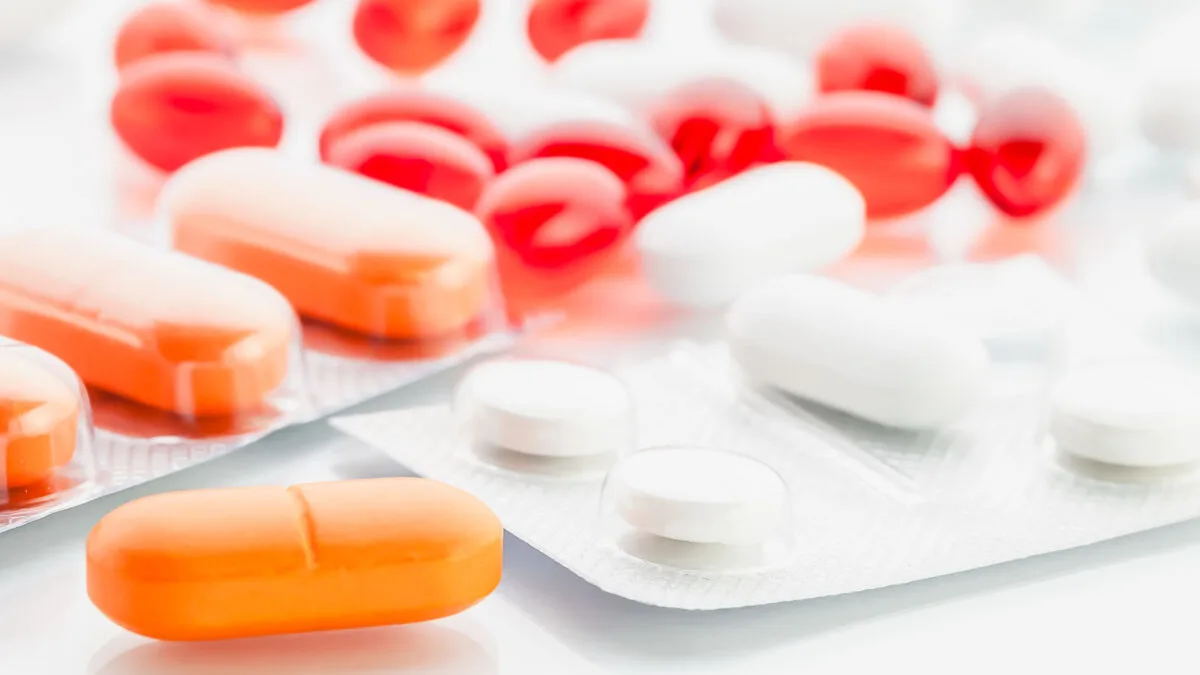
Over-the-counter and prescription medications like ibuprofen, acetaminophen, antidepressants, and sleep aids are extremely dangerous for dogs. Even one pill can cause serious harm, including stomach ulcers, liver failure, and neurological issues. Dogs may sniff out pills that have been dropped or chew through bottles, so keep all medications locked up.
Rodenticides


Rat and mouse poisons are made to attract animals and are just as tempting to pets. Ingesting them can cause internal bleeding, organ failure, or seizures depending on the active ingredient. Secondary poisoning can also happen if your dog eats a rodent that has consumed the poison. Always use pet-safe alternatives or call a professional for pest control.
Essential Oils


While some people use essential oils for their own wellness routines, many of them are highly toxic to pets, especially when applied to their skin or used in diffusers. Oils like tea tree, eucalyptus, peppermint, and citrus can cause vomiting, tremors, difficulty breathing, and even liver damage. What’s calming to you could be harmful to your dog.
Coffee and Tea


These beverages contain caffeine, which stimulates the nervous system and heart. Dogs are much more sensitive to caffeine than humans, and even small sips can cause restlessness, rapid heartbeat, muscle tremors, or collapse. Grounds and tea bags can also be dangerous if scavenged from the trash, so make sure they’re disposed of properly.
Alcohol


Even tiny amounts of alcohol can be dangerous for dogs. It depresses the central nervous system and can lead to vomiting, diarrhea, coordination issues, slowed breathing, and in severe cases, coma or death. This includes alcoholic drinks, foods prepared with alcohol, and fermented items like unbaked bread dough. Keep alcoholic beverages far from curious noses.
Batteries

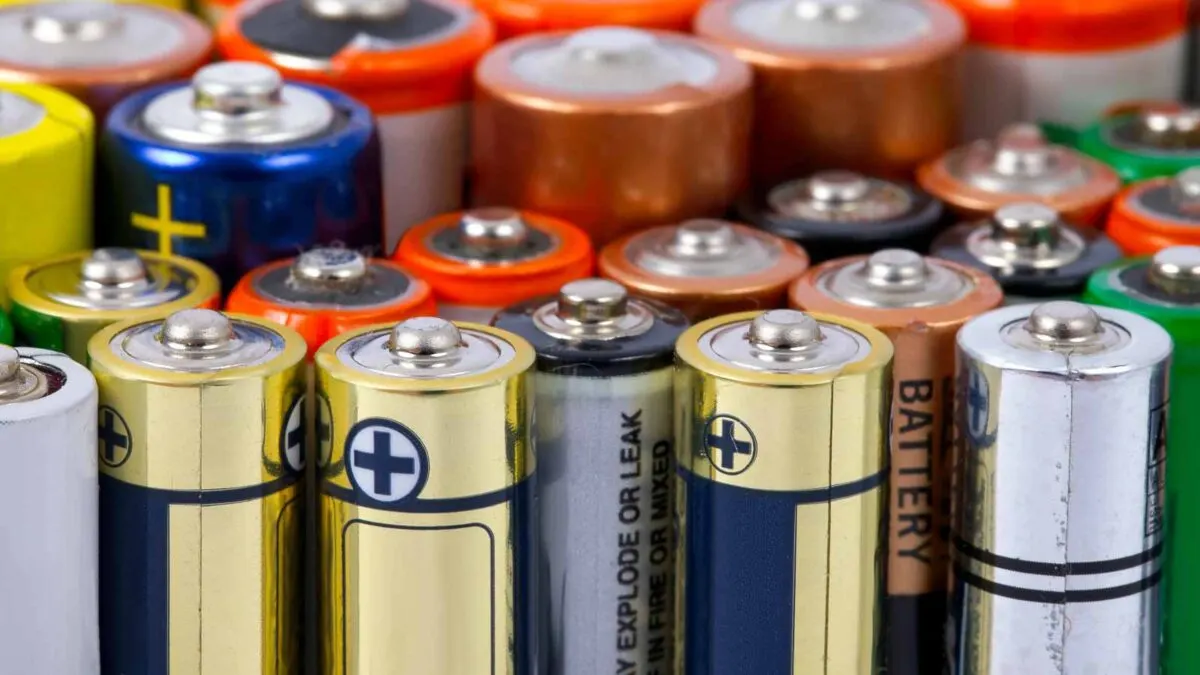
Batteries pose a serious risk if chewed or swallowed. They can cause burns to a dog’s mouth, throat, and stomach due to leaking acid, and can lead to heavy metal poisoning or dangerous blockages in the digestive tract. Watch for signs like drooling, refusal to eat, or pawing at the mouth if you suspect battery exposure.
10 Toxic Plants To Dogs That Every Owner Should Know About


Keeping our dogs safe isn’t just about leashes and fences—it’s also about knowing what’s in our gardens and homes. Believe it or not, some pretty plants can be pretty dangerous to our furry buddies. Learn what makes these ten plants toxic and why you need to keep them out of reach from your dog.
Read it Here: 10 Toxic Plants To Dogs That Every Owner Should Know About
10 Popular Dog Myths That Just Aren’t True


When it comes to man’s best friend, there’s no shortage of old wives’ tales and passed-down wisdom. But have you ever stopped to wonder which of these nuggets are true? We’re tackling some of the most popular dog myths and clearing up the misconceptions.
Read it Here: 10 Popular Dog Myths That Just Aren’t True