


Dog training might sound simple until you start reading opinions online. Everyone has a method they swear by and a list of others they’d never use. Some people think shock collars are fine, others call them abusive. One trainer says force-free is the only way, another says your dog will walk all over you. The arguments get loud, fast, and nobody agrees on much. Here are the most hotly debated methods.


Shock Collars


These devices deliver an electric pulse to discourage unwanted behaviors, and that alone is enough to set the internet on fire. Supporters say it helps with quick correction, especially off-leash, but critics argue it can cause long-term anxiety, fear, and even aggression. It’s a lightning rod for debate, especially when used without proper training or understanding.
Choke Chains


Once a staple in obedience classes, choke chains are now a major flashpoint. Proponents say they stop pulling effectively. Opponents say they’re outdated and dangerous, risking neck injuries and emotional distress. Scroll any dog training forum, and you’ll see strong opinions on both sides.
Alpha Rolling


The idea of flipping your dog onto its back to “assert dominance” has sparked endless online arguments. Inspired by outdated wolf-pack theories, alpha rolling is now widely criticized as ineffective and harmful. Most behaviorists say it damages trust and encourages fear, not respect.
Prong Collars


The internet is divided on these metal collars with blunt prongs that pinch when the dog pulls. Some trainers swear by them for controlling large or reactive dogs. Others see them as unnecessarily harsh, risking injury and making walks a negative experience.
Cesar Millan’s Techniques


Cesar Millan’s methods built an empire, but they’ve also sparked massive controversy. His use of dominance theory, leash corrections, and what he calls “calm, assertive energy” has earned praise from fans and strong criticism from modern trainers who prefer science-based, force-free methods.
Negative Reinforcement


Using unpleasant consequences to encourage a behavior may work in theory, but in practice, it gets complicated and divisive. While it’s rooted in behavior science, it often relies on aversive tools or tactics that can create a fearful or tense relationship between dog and handler.
Clicker Training with Punishment


Clickers are usually associated with positive reinforcement, but some trainers pair them with punishment to “mark” unwanted behavior. This mash-up confuses both dogs and humans, and most experts advise against it. Online debates usually lean in favor of keeping clickers positive-only.
Force-Free Training


This method avoids all physical corrections and centers entirely around rewards and positive reinforcement. While many see it as the gold standard, critics argue it can be too soft on dogs with behavioral issues. It’s a method rooted in science, but it still gets pushback in tougher training circles.
E-Collars (Electronic Collars)


These collars send a stimulus via remote, usually vibration, tone, or shock. When used correctly, some trainers say they’re a safe way to train at a distance. But misuse is common, and plenty of people are quick to label them as inhumane, especially when used as a shortcut instead of a supplement to training.
Aversive Conditioning


This catch-all for things like loud noises, bitter sprays, or physical discomfort is designed to make a dog associate a behavior with something negative. It may work fast, but critics say it doesn’t teach the dog what to do instead and can backfire by creating fear or new behavioral problems.
How To Clicker Train Your Dogs
Clicker training is a popular and effective method for teaching young and old dogs new behaviors and commands using positive reinforcement. By using a clicker — a small handheld device that makes a distinct clicking sound — you can communicate with your dog and reward desired behaviors precisely.
Read it Here: How To Clicker Train Your Dogs
How To Properly Train Your Dog On E-Collar

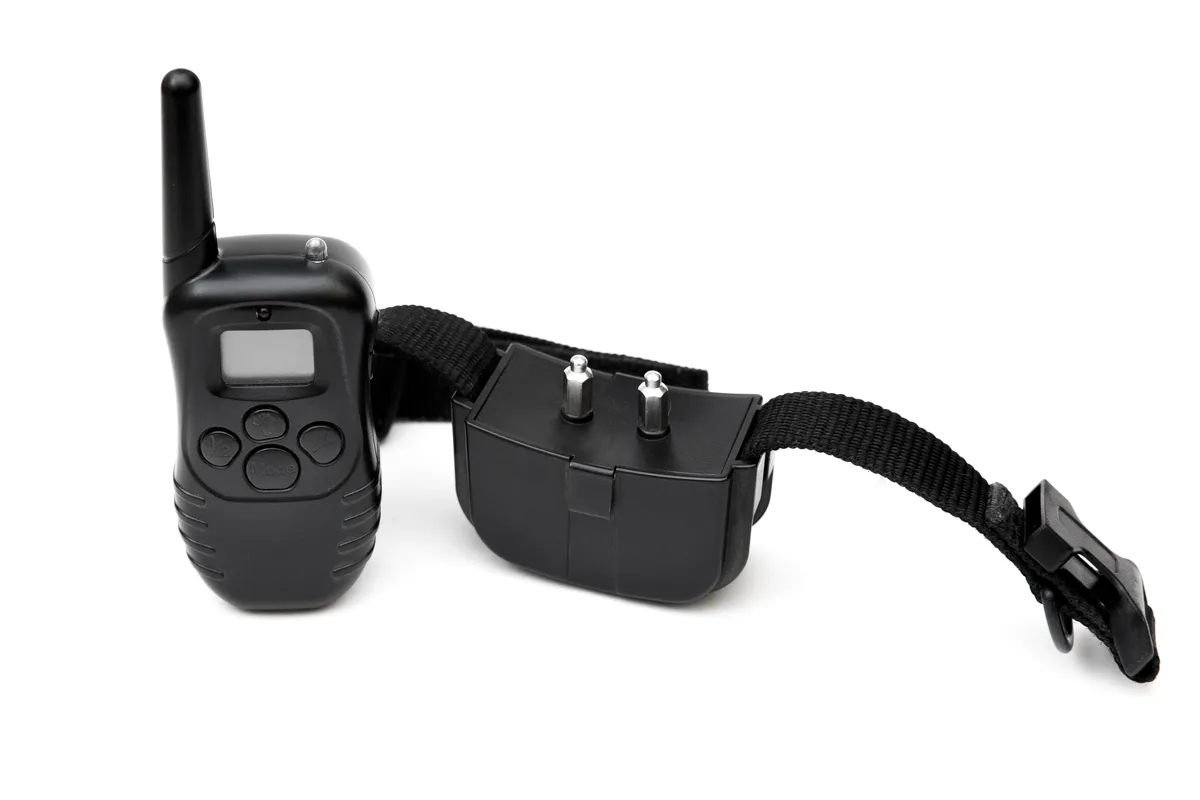
Electronic collars, commonly known as e-collars, can be an excellent training tool for dogs when used responsibly and with proper guidance. E-collars can be an effective means of communication during the training process for dogs.
Read it Here: E-Collar Training For Dogs
*Select images provided by Depositphotos.