

Long before dogs slept on couches and begged for table scraps, some breeds existed strictly as symbols of wealth, power, and social rank. Owning the right dog once signaled status just as clearly as a title, estate, or family name. These dogs lived in palaces, rode in carriages, and stayed close to rulers and aristocrats who could afford both the luxury and the exclusivity. In many cases, ownership was limited by law or tradition, which only made these breeds more desirable. Today they might feel approachable and common, but their histories tell a very different story. These dogs were bred to be seen, admired, and closely associated with the elite.


Pekingese
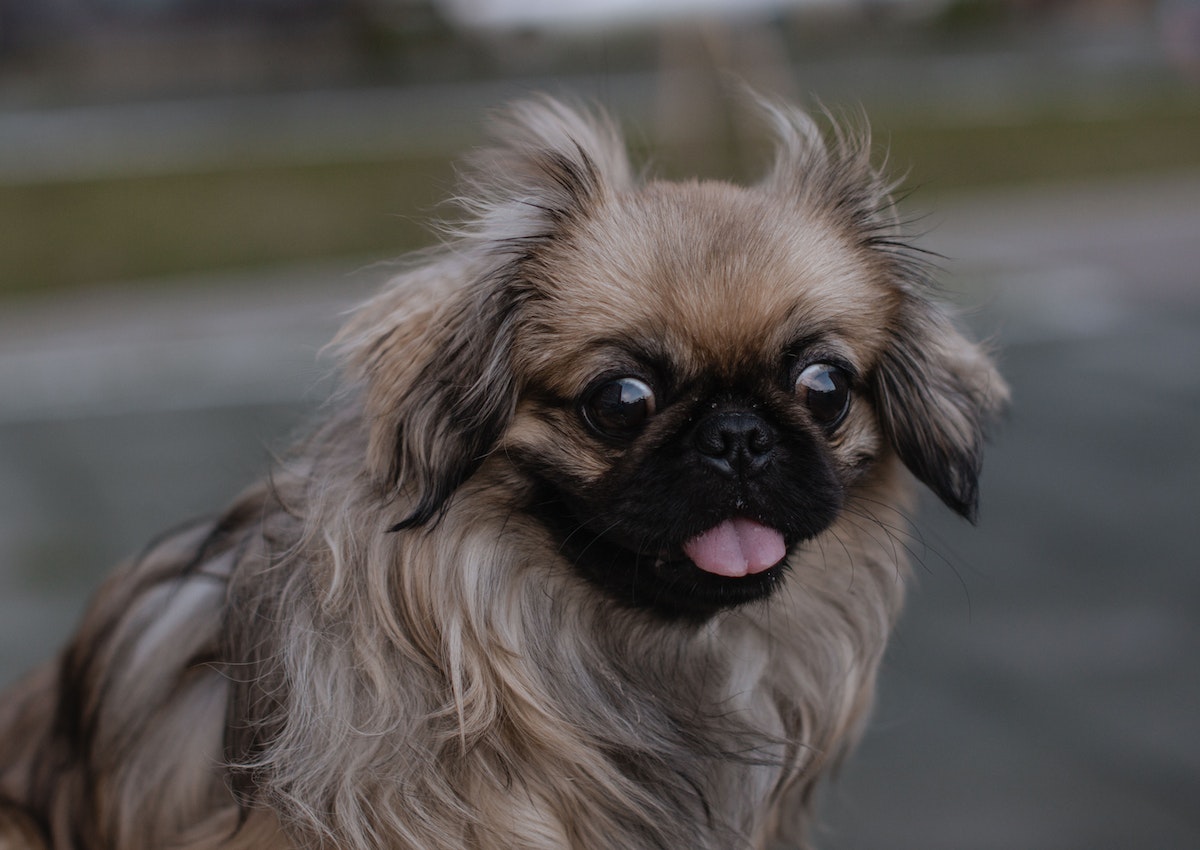

The Pekingese existed for one reason and one reason only: to serve Chinese royalty. For centuries, they lived entirely within imperial palaces and were considered sacred symbols of power and authority. Only members of the royal court could own them, and harming one carried serious consequences. Their compact size, flat face, and flowing coat were deliberately bred to resemble guardian lions, reinforcing their connection to imperial strength. These dogs were not pets in the modern sense. They were living status symbols who rarely touched the ground and never left the inner circle of the elite.
King Charles Spaniel


Few breeds wear their elite status as literally as the King Charles Spaniel. Named after King Charles II, these dogs were fixtures of British court life and rarely left their owners’ sides. They were bred to be lap companions, perfectly sized for long days indoors among silk furnishings and crowded chambers. Portraits from the era frequently show them draped across velvet cushions or nestled beside nobles. Their role was not functional or practical. Their presence alone communicated refinement, privilege, and access to royal life.
Bichon Frise


The Bichon Frise became popular among European nobility because it fit neatly into aristocratic life. Small, cheerful, and visually striking, it offered companionship without disrupting the controlled elegance of court settings. French and Spanish elites favored the breed, often grooming them meticulously and treating them as accessories as much as companions. These dogs were rarely expected to work or hunt. Their job was to entertain, charm, and reflect the luxury of the households they belonged to.
Löwchen


The Löwchen, often called the Little Lion Dog, was one of the clearest indicators of wealth in Renaissance Europe. Its iconic lion haircut required frequent grooming, something only the wealthy could afford or maintain. Nobles displayed these dogs in artwork and formal settings, using them as visual proof of leisure and excess. The breed’s rarity only added to its appeal, as owning one suggested access to exclusive breeders and social circles. This was not a practical dog. It was a deliberate display of privilege.
Pharaoh Hound


Despite its ancient appearance, the Pharaoh Hound’s elite status comes from its long association with wealth and influence rather than mythology alone. In Malta, these sleek dogs were prized by landowners and nobles who valued both their hunting ability and striking appearance. Their tall, athletic build and refined look made them stand out as dogs for people of means. Over time, they became associated with prestige and careful breeding rather than everyday work. Owning one suggested tradition, lineage, and a connection to history.
Chihuahua


Who would’ve thought the Taco Bell dog was once associated with high society? The Chihuahua’s association with status predates handbags and celebrity culture by centuries. In ancient Mesoamerican societies, these small dogs were linked to spiritual beliefs and elite households. They were not common animals and were often kept by those with power and resources. Their portability and distinct appearance made them ideal companions for high-ranking individuals. While they are widespread today, their early history places them firmly among dogs associated with influence and privilege.
Afghan Hound


The Afghan Hound’s appearance alone explains why it became a symbol of elite ownership. With its long coat, narrow face, and dignified posture, it looked nothing like working dogs familiar to most people. Aristocrats in Europe embraced the breed not for its hunting skills but for its dramatic presence. Maintaining its coat required time, space, and money, reinforcing its role as a dog for the wealthy. These dogs were meant to be admired, not overlooked.
Italian Greyhound


Italian Greyhounds were favorites of Renaissance nobles who valued beauty, art, and refinement. Their slim frame and graceful movement made them popular among royalty and artists alike. They often appeared in paintings alongside wealthy owners, reinforcing their association with culture and status. These dogs lived indoors, slept on fine fabrics, and received care far beyond what most people could offer at the time. They were companions designed for an elite lifestyle built around comfort and aesthetics.
Japanese Chin


The Japanese Chin lived almost exclusively within imperial courts, where they were treated as treasured possessions rather than ordinary animals. Ownership outside noble circles was rare, and the breed was often gifted between elite families as a sign of respect and favor. Their small size and distinctive facial features made them easy to recognize and instantly associated with high rank. These dogs were raised indoors and carefully protected, reinforcing their separation from everyday life. To own one meant belonging to a very small and powerful group.
Yorkshire Terrier


While the Yorkshire Terrier began as a working dog, its rise into elite circles happened quickly once Victorian society embraced it. Wealthy women favored the breed for its size, appearance, and adaptability to city life. Carrying a Yorkshire Terrier became a fashionable statement that signaled refinement and leisure. Grooming and presentation mattered just as much as temperament, turning the breed into a walking symbol of status. By the late 19th century, Yorkies were firmly established as dogs of the upper class.
10 Dog Breeds That Became Famous For Their Roles In Pop Culture


We all grew up watching a show where the dog stole the spotlight—sometimes even more than the humans. From heartwarming heroes to comedic sidekicks, these four-legged stars became cultural icons and made their breeds unforgettable. Behind the fame, each dog brought real traits that made them perfect for the role, whether it was loyalty, charm, or just a knack for stealing every scene.
Read it Here: 10 Dog Breeds That Became Famous For Their Roles In Pop Culture
10 Dogs That Were Once Royalty’s Favorite Companions


Dogs may rule your house now, but some breeds were literally bred to lounge in palaces and sit at the feet of kings and emperors. These pampered pups were more than just companions—they were status symbols, often treated better than the people around them. From tiny lapdogs carried in royal sleeves to majestic hunters by a king’s side, these dogs lived lives of luxury most of us can only dream of.
Read it Here: 10 Dogs That Were Once Royalty’s Favorite Companions