

Vet visits can rattle even the most easygoing dog, but they don’t have to be a struggle. New smells, strange sounds, and unfamiliar handling can turn a routine checkup into a stressful event. With some thoughtful preparation and the right approach, you can help your dog feel more secure and make each visit smoother. A calmer experience starts long before you walk through the clinic door and can turn a tense appointment into something far less overwhelming.


Make car rides part of everyday fun


Many dogs tense up the moment the car door opens because they associate car rides with vet visits. Break that link by taking your dog on short, happy outings to places they love, such as a park, a friend’s house, or even a drive around the block with a treat stop at the end. When car rides become a normal, positive part of life, trips to the vet feel less intimidating and more like another routine adventure.
Practice gentle handling at home


Dogs often feel nervous when someone touches their paws, ears, or mouth, since those areas aren’t part of everyday petting. Help them adjust by calmly touching these spots at home and rewarding them with small treats or praise. Over time, they’ll accept this kind of handling as normal, which makes vet exams, nail trims and ear checks far less stressful and surprising.
Bring something that smells like home


A familiar scent can calm a dog in a new environment. Pack a favorite toy, blanket, or even an old T-shirt that carries your scent. Having that comfort close by can steady their nerves and make the clinic feel less foreign. It gives them a piece of home to lean on and helps keep their focus on something safe and recognizable during the visit.
Stay relaxed so your dog can follow your lead


Your dog senses your emotions and will mirror them. If you’re tense or worried, they’ll feel it too. Before and during the visit, speak in a cheerful voice, move calmly, and take slow breaths. This steady, reassuring presence tells your dog there’s no reason to panic and helps them remain settled while waiting and during the exam.
Reward calm behavior with special treats


Turn the appointment into a positive experience by offering rewards at every step. Bring small, high-value treats and give them when your dog waits quietly in the lobby, allows the vet to check their ears, or sits still for a shot. These consistent rewards help your dog connect the clinic with something good, making each visit a little easier than the last.
Schedule short, friendly visits


Introduce the clinic as a safe space by stopping by for quick visits that don’t involve an exam. Drop in to say hello, let the staff offer a gentle pat or a treat, and then head home. These low-pressure visits teach your dog that the clinic isn’t only about needles or thermometers, which builds confidence and makes real appointments far less scary.
Turn the carrier into a favorite spot


For small dogs who travel in a carrier, the container itself can spark stress if it only comes out for vet trips. Keep it open in the house so your dog can explore it freely and use it as a resting spot. Place treats or toys inside to create positive feelings about going inside. When the carrier feels like a cozy den, it’s no longer a signal that something unpleasant is about to happen.
Consider natural calming aids when needed


For dogs who stay anxious despite preparation, natural calming supplements can help. Options like CBD chews, pheromone sprays, or calming collars can take the edge off. Always check with your vet before giving anything new, and offer it well before the visit so it has time to work. These gentle supports can help nervous dogs feel more at ease in a busy clinic environment.
Book appointments during quiet hours


The waiting room is often the hardest part, with new smells, loud pets, and lots of movement. When possible, schedule mid-morning or mid-afternoon visits when the clinic is typically calmer. Less noise and shorter wait times lower stress for both you and your dog, making the entire visit, from check-in to checkout, far smoother.
10 Things Dog Owners Do That Drive Their Vets Crazy
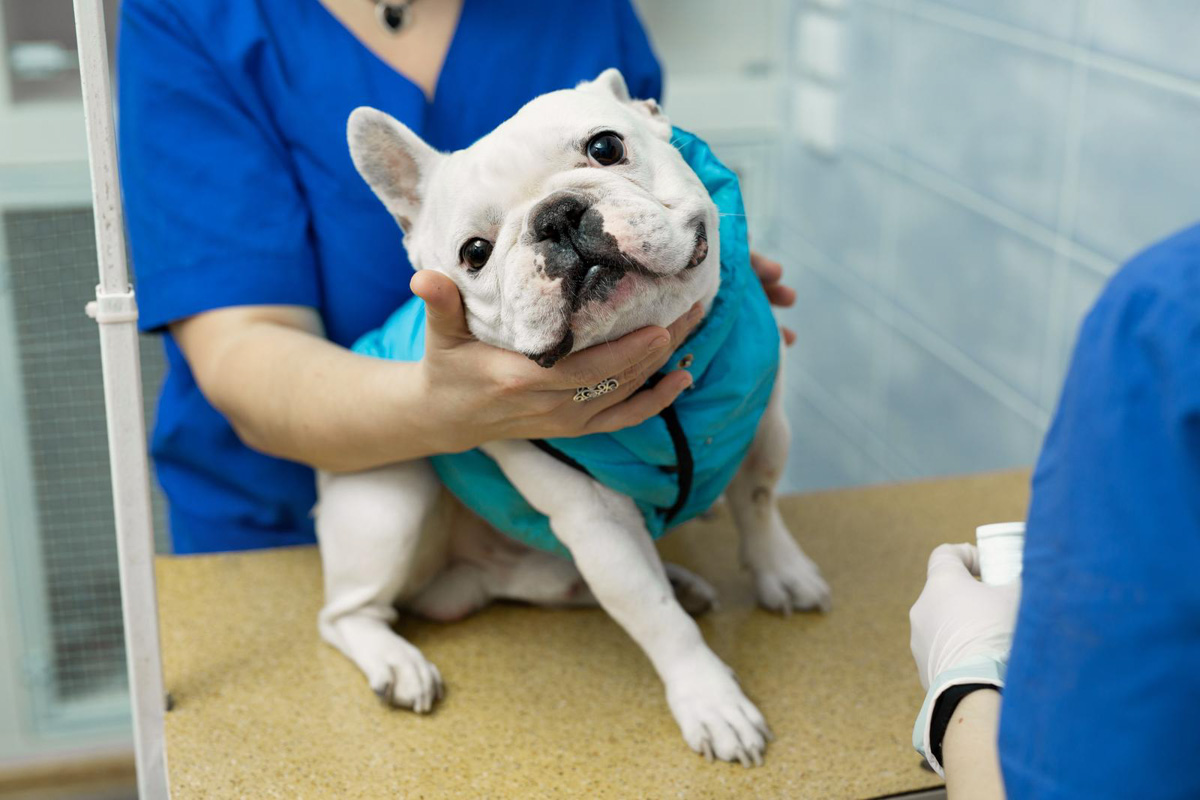
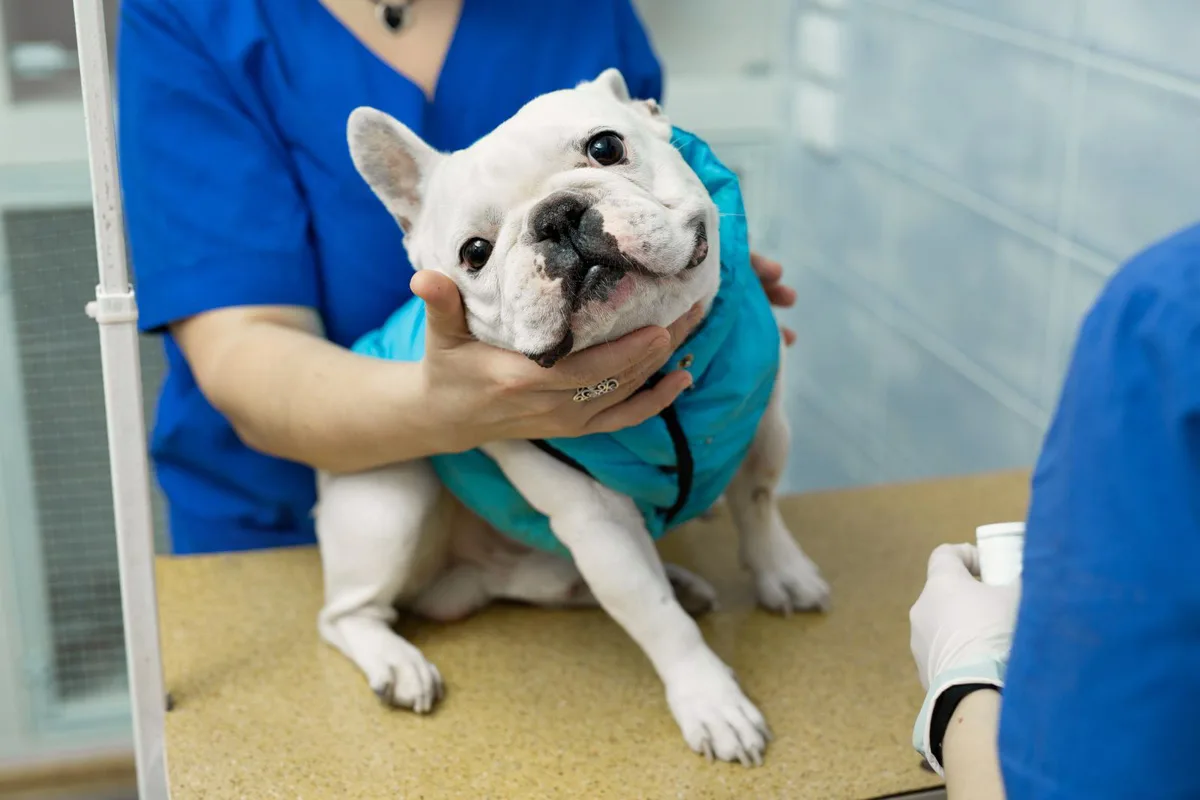
Vets love your dog, but sometimes the things we owners do can really push their patience. While they won’t always say it, there are definitely a few habits that make them shake their heads during visits. We’ve all been there, doing things that might seem harmless but actually drive them up the wall. If you want to stay in your vet’s good graces, here’s what you might be doing wrong when you walk into the office.
Read it Here: 10 Things Dog Owners Do That Drive Their Vets Crazy
11 Super-Healthy Dog Breeds That Rarely Need A Vet Visit


Sick of spending more time at the vet than at the dog park? Some dogs are just built tougher and won’t have you stressing over constant health issues. These breeds are known for being low-maintenance in the health department, so you can focus on the fun stuff like actual walks, not waiting room visits.
Read it Here: 11 Super-Healthy Dog Breeds That Rarely Need A Vet Visit