


Dog fur everywhere—it’s the gift that keeps on giving, right? Whether it’s covering your couch, floating through the air, or clinging to your clothes, it feels like you’re living in a snow globe of fluff. Sure, we love our furry friends, but keeping their shedding under control is a full-time job. If you’re tired of sweeping up fur mountains and lint-rolling your entire life, here are some helpful hacks that might save you from drowning in hair.


Regular Brushing


Brushing your dog regularly, ideally every day, helps capture loose fur before it gets all over your house. The right brush—whether slicker, de-shedding tool, or undercoat rake—makes a difference based on your dog’s coat type. Consistent brushing also helps distribute natural oils through their fur, reducing shedding over time.
Invest in a Quality Vacuum


A pet-specific vacuum cleaner with HEPA filters is a must for homes with shedding dogs. These vacuums are designed to handle hair on carpets, hardwood floors, and furniture without getting clogged. Look for models with strong suction and attachments that help clean corners, upholstery, and other fur-prone areas efficiently.
Wash Dog Bedding Regularly


Your dog’s bedding collects fur, dirt, and dander. Washing it weekly (or more, depending on shedding) in hot water helps remove built-up fur and allergens. Don’t forget to vacuum the surrounding area to get rid of fur trapped under or around the bed. Regular cleaning of bedding can also reduce the spread of allergens.
Cover Furniture with Washable Throws
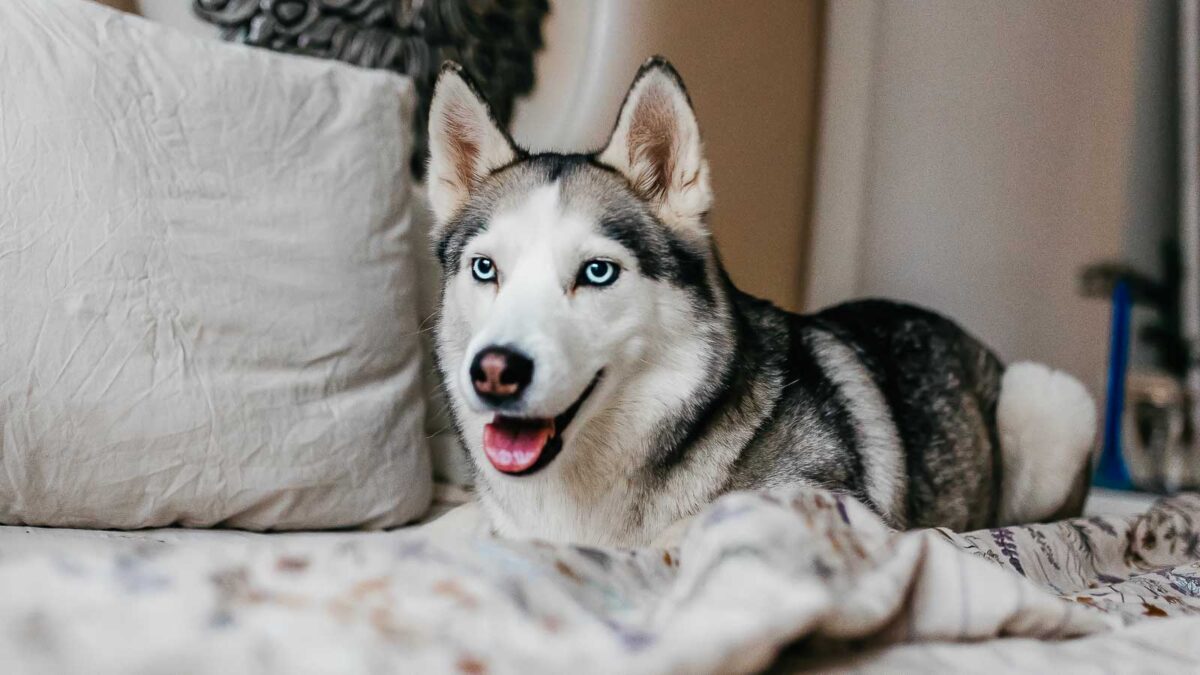

If your dog likes lounging on the furniture, placing washable throws or slipcovers on sofas and chairs can save you hours of cleaning. Choose easy-to-wash fabrics that can be tossed in the laundry frequently. This strategy prevents hair from embedding itself into your furniture fibers.
Keep Lint Rollers Handy


Strategically place lint rollers in high-traffic areas such as the living room, bedroom, and car. They provide a quick way to remove dog hair from clothing, furniture, and even your dog’s bed. Additionally, for stubborn fur on upholstery, a sticky lint roller is more effective than a vacuum in some cases.
Create a Grooming Routine


Regular grooming is key to reducing shedding. Aside from brushing, periodic baths help remove loose hair before it falls out around the house. A professional groomer can use de-shedding treatments, which can make a big impact, particularly with heavy-shedding breeds like Huskies or German Shepherds.
Use an Air Purifier


Air purifiers with HEPA filters trap airborne fur and dander, preventing it from settling on your surfaces. Running an air purifier in high-shed seasons can help reduce the amount of fur that floats through the air, especially in homes with multiple pets. This is also helpful for allergy management.
Anti-Shedding Supplements


Adding omega-3 fatty acids, commonly found in fish oil supplements, to your dog’s diet can improve coat health and reduce shedding. These supplements promote healthy skin, which in turn decreases excessive fur loss. Always check with your vet before adding supplements to ensure the right dosage for your dog’s size and breed.
Brush Before Entering the House


If your dog spends time outside, use a quick brush before they come inside to remove loose fur. This practice is especially useful after long walks or playtime in the yard. Brushing outside keeps the fur out of your home, and can significantly reduce the amount you need to clean indoors.
Use a Damp Mop for Hardwood Floors


Pet fur tends to collect on hardwood or tile surfaces. A damp mop or microfiber mop attracts fur better than sweeping, which often just pushes fur around. These mops trap the hair effectively and allow you to clean large areas quickly. You can also consider adding an anti-static spray to keep fur from sticking to floors.
Static-Reduction Tools


Dryer sheets or rubber gloves can be used to reduce static cling on furniture and upholstery, making it easier to collect fur. Rubbing a damp rubber glove over surfaces causes the hair to stick, and dryer sheets can pick up fur while reducing the buildup of static electricity. This is an effective hack for fabrics that attract pet hair.
Regular Vet Checkups


If your dog seems to be shedding more than usual, a trip to the vet might be in order. Excessive shedding can be a sign of underlying health problems such as allergies, parasites, or nutritional deficiencies. Regular vet checkups help ensure your dog’s health is on track, which can reduce abnormal hair loss.
11 Allergy-Friendly Furballs For Sensitive Owners


Are you itching to add a furry friend to your family, but sneezing at just the thought? Finding a dog that doesn’t leave you red-eyed and runny-nosed might seem like a tall order, but there’s good news. There are several breeds known for being hypoallergenic, meaning they’re less likely to trigger allergic reactions. From playful pups to calm companions, this list of 11 hypoallergenic dogs offers something for everyone without the sniffles.
Read it Here: 11 Allergy-Friendly Furballs For Sensitive Owners
15 Dogs That Will Turn Your Home into a Fur Factory


If you’re not a fan of dog hair all over your home, you might want to reconsider certain breeds. While all dogs shed to some extent, these 15 breeds are notorious for shedding the most. Whether you’re planning to adopt or just curious, it’s good to know which dogs will turn your home into a fur factory.
Read it Here: 15 Dogs That Will Turn Your Home into a Fur Factory