


A stress-free life sounds nice, right? Your dog thinks so too. But too many owners unintentionally pile on stress by micromanaging, overcorrecting, or expecting their dogs to fit into human routines without question. Dogs don’t need constant entertainment or strict rules—they need balance, security, and the freedom to just be dogs. Small changes in how you interact with them can make a huge difference in their overall happiness.


Give Them More Freedom to Make Small Decisions


Dogs rarely get to make choices, but small decisions—like picking the walking route, choosing between two toys, or deciding where to sleep—give them a sense of control. Too much restriction can lead to anxiety or frustration, while small choices build confidence and independence.
Recognize When They Need Space from People or Other Dogs


Not every dog wants to be pet all the time or meet every dog on a walk. Many people assume all dogs are social, but forcing interactions can create stress. Paying attention to their body language and respecting when they want space helps them feel more secure and in control.
Encourage Natural Canine Behaviors Instead of Suppressing Them


Digging, shredding, sniffing, and chewing aren’t bad behaviors—they’re instinctual needs. If you constantly correct these actions without providing alternatives, your dog may become frustrated or anxious. Give them a safe digging area, tough chew toys, or a scent-based game to fulfill these instincts.
Help Them Build Resilience by Letting Them Problem-Solve


Always stepping in to fix things for your dog can create dependency and hesitation in new situations. Letting them figure out how to get a stuck toy, navigate a tricky surface, or explore a new space at their own pace helps build confidence and resilience, making them less fearful in the long run.
Stop Overcorrecting and Let Them Be a Little Messy


Dogs don’t need to be micromanaged every second. Constantly correcting them for minor things—like tracking in mud, sniffing too long, or barking once—can make them anxious. Unless it’s a real issue, let them enjoy being a dog without feeling like they’re always in trouble.
Teach Them a Reliable ‘Break’ Cue to Prevent Overstimulation


Too much excitement, even from fun activities, can overwhelm a dog. Teaching them a ‘break’ cue helps them reset before they become overstimulated or reactive. Whether it’s pausing a play session or stepping away from a busy environment, this skill helps them regulate their own stress levels.
Introduce New Things at Their Own Pace, Not Yours


Rushing a dog into new experiences, whether it’s meeting a stranger, visiting a new place, or hearing loud noises, can backfire. Let them observe and approach on their terms. Pushing too fast can create fear, while slow introductions help them build confidence without unnecessary stress.
Give Them a Routine Without Making Life Predictable


Dogs thrive on routine, but too much predictability can lead to boredom. Keeping mealtimes and bathroom breaks consistent while adding small surprises—like a new walking route, a different training session, or a random playtime—keeps them mentally engaged without causing stress.
Make Vet Visits Less Stressful with Positive Associations


Many dogs fear the vet because they only associate it with poking and prodding. Visiting the clinic just to get treats, practice handling at home, and rewarding calm behavior at the vet can turn it into a more positive experience. Less stress at the vet means better long-term health care.
Give Them Opportunities to Use Their Nose in Meaningful Ways
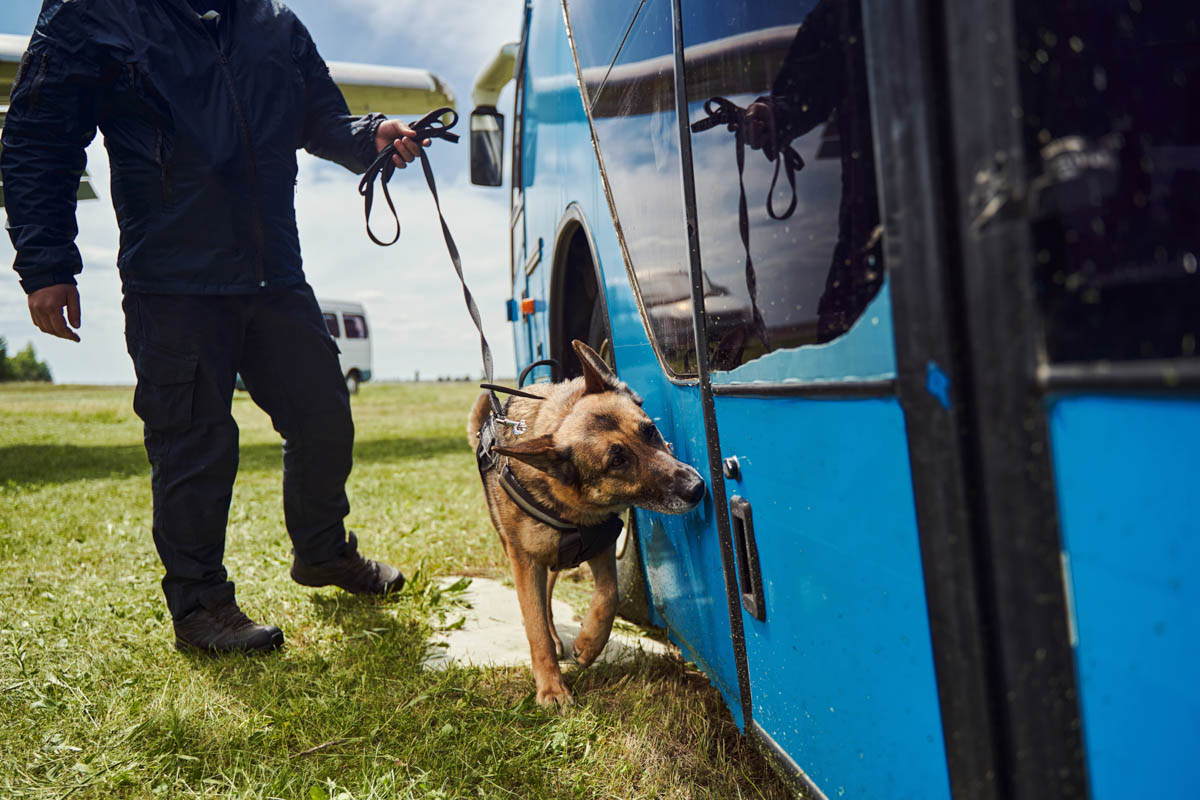

Sniffing is how dogs explore and understand their world. Rushing them on walks or stopping them from investigating their environment can cause frustration. Letting them take their time sniffing, doing scent-based games, or even simple ‘find it’ exercises engages their brain and reduces anxiety.
Let Them Express Themselves Without Constant Commands


Dogs communicate through body language, vocalizations, and movement. If they feel like they’re always being told to ‘sit’ or ‘be quiet,’ it can be stressful. Allowing them to whine, bark, stretch, or shake off stress when needed gives them an outlet instead of forcing them to suppress their emotions.
Recognize That Sometimes They Just Need Quiet Time


Not every moment needs to be an activity. Some dogs need space to unwind without interaction. If they retreat to their bed or a quiet corner, it’s their way of decompressing. Respecting their need for downtime helps prevent overstimulation and keeps them emotionally balanced.
10 Ways to Show Your Dog You Understand Them


Dogs may not speak, but they have plenty of ways to tell you what they want, need, and feel. The problem is, most people miss the signals or misinterpret them completely. When a dog hesitates before approaching someone or avoids eye contact, they’re not being stubborn—they’re communicating. Understanding what they’re actually saying builds trust and makes life easier for both of you. If you want a stronger connection with your dog, start paying attention to what they’ve been trying to tell you all along.
Read it Here: 10 Ways to Show Your Dog You Understand Them
10 Little Things That Make Your Dog Feel Safe and Happy


Dogs pay close attention to the way you move, speak, and react to their needs. The small things you do every day shape how secure they feel around you. Some actions build trust, while others can create uncertainty. If they seem anxious or overly clingy, it’s not random—there’s always a reason. The way you interact with them determines whether they feel safe, relaxed, and truly at home. Here’s what actually matters.
Read it Here: 10 Little Things That Make Your Dog Feel Safe and Happy
*Select images provided by Depositphotos.