

We all know the basics like chocolate and grapes are bad for dogs, but there are plenty of other foods most people have no idea are just as dangerous. Everyday items sitting in your pantry or fridge can cause serious health problems for your pet, and some of them are foods you’d never expect. From common seasonings to snacks you eat without a second thought, these hidden risks can turn into emergencies fast. Knowing what to keep out of reach is one of the simplest ways to protect your dog and avoid an unexpected trip to the vet.


Chocolate


Chocolate might be a favorite treat for people, but it is one of the most dangerous foods you can give a dog. The theobromine and caffeine it contains build up quickly in their system because dogs cannot metabolize these compounds the way humans do. Even a small piece can trigger vomiting, diarrhea, or a racing heartbeat. Larger amounts raise the risk of seizures or worse, especially with darker varieties like baking chocolate.
Grapes and raisins


Grapes and they’re dehydrated counterpart, raisins are deceptively dangerous because they seem harmless but can cause sudden kidney failure in dogs. What makes them toxic is still not fully understood, but the effects can be severe even in small quantities. Dogs may start vomiting or acting unusually tired after eating them, and the damage can progress quickly. Because the reaction is unpredictable, the safest choice is to keep grapes and raisins away altogether.
Onions and garlic


These common cooking staples are unsafe for dogs in any form, whether raw, cooked, powdered, or dried. Both contain compounds that damage red blood cells, which can lead to anemia over time. A dog that eats onions or garlic may become weak, vomit, or have trouble breathing. Since even seasoning blends often contain traces, it is easy for dogs to ingest more than you realize.
Xylitol (artificial sweetener)


Xylitol is a sugar substitute found in many sugar-free products, including gum, candy, and even some peanut butters. While safe for people, it causes a rapid release of insulin in dogs, which drops their blood sugar to dangerous levels. Signs include vomiting, loss of balance, and seizures, with the added risk of liver failure if the dose is high enough. Because xylitol shows up in unexpected foods, checking ingredient labels is a must.
Alcohol


Dogs process alcohol much differently than people and can become sick from very small amounts. Beer, wine, liquor, and even foods cooked with alcohol can cause vomiting, diarrhea, or coordination problems. In severe cases, it depresses the central nervous system and can be fatal. What might feel like a harmless sip to you can have a serious impact on your dog.
Macadamia nuts


Macadamia nuts are particularly toxic to dogs and can trigger weakness, tremors, vomiting, and high body temperature. Even a few nuts can make a healthy dog extremely sick. While researchers are not certain why dogs react so strongly, the effect is well-documented and consistent. These should be considered completely off-limits and kept out of reach at all times.
Avocado


Avocados contain persin, a compound that can cause gastrointestinal issues in dogs, particularly vomiting and diarrhea. While the flesh may only cause mild problems in small amounts, the pit, skin, and leaves are more toxic. The high fat content can also increase the risk of pancreatitis. Given the number of safer alternatives, it is best to avoid sharing avocados altogether.
Caffeine


Caffeine is far more potent for dogs than for humans, making coffee, tea, and energy drinks highly unsafe. Even a small sip can trigger restlessness, rapid heartbeat, or muscle tremors. Higher doses raise the risk of seizures and collapse. Because caffeine is found in many products, including chocolate, it is one of the easier toxins for dogs to accidentally ingest.
Cooked bones
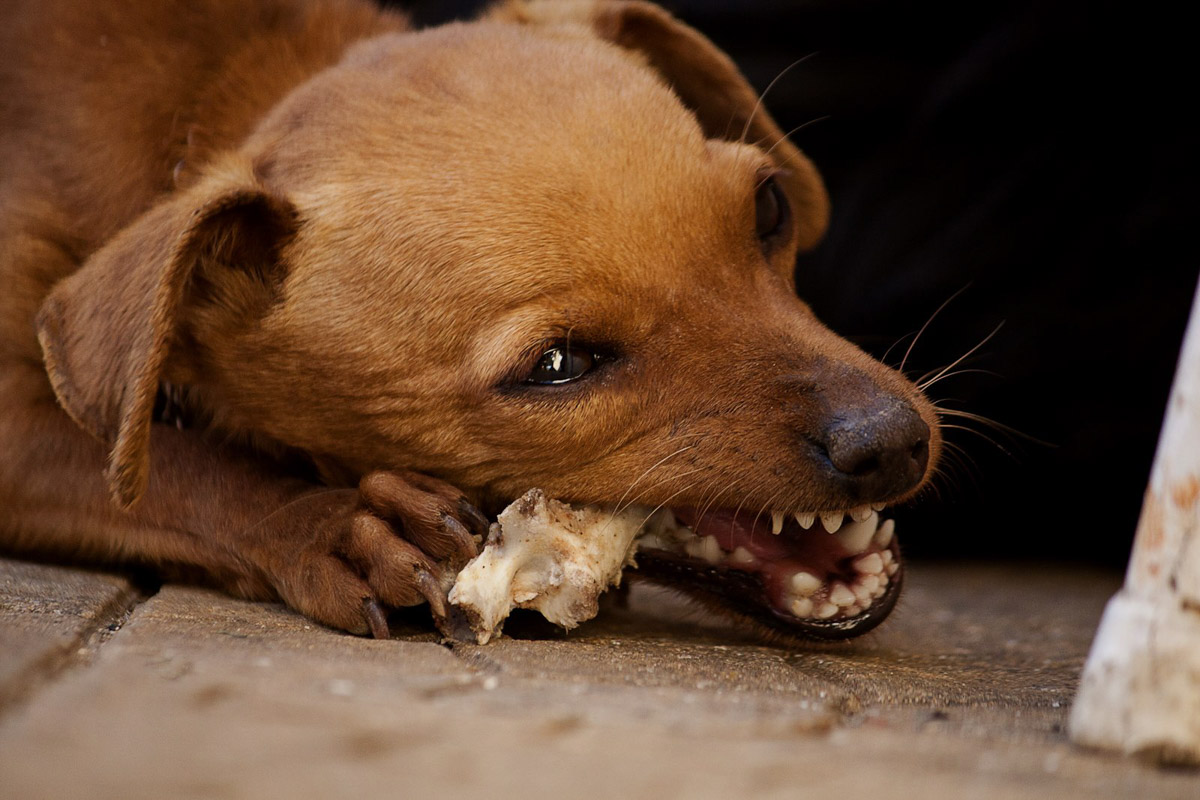
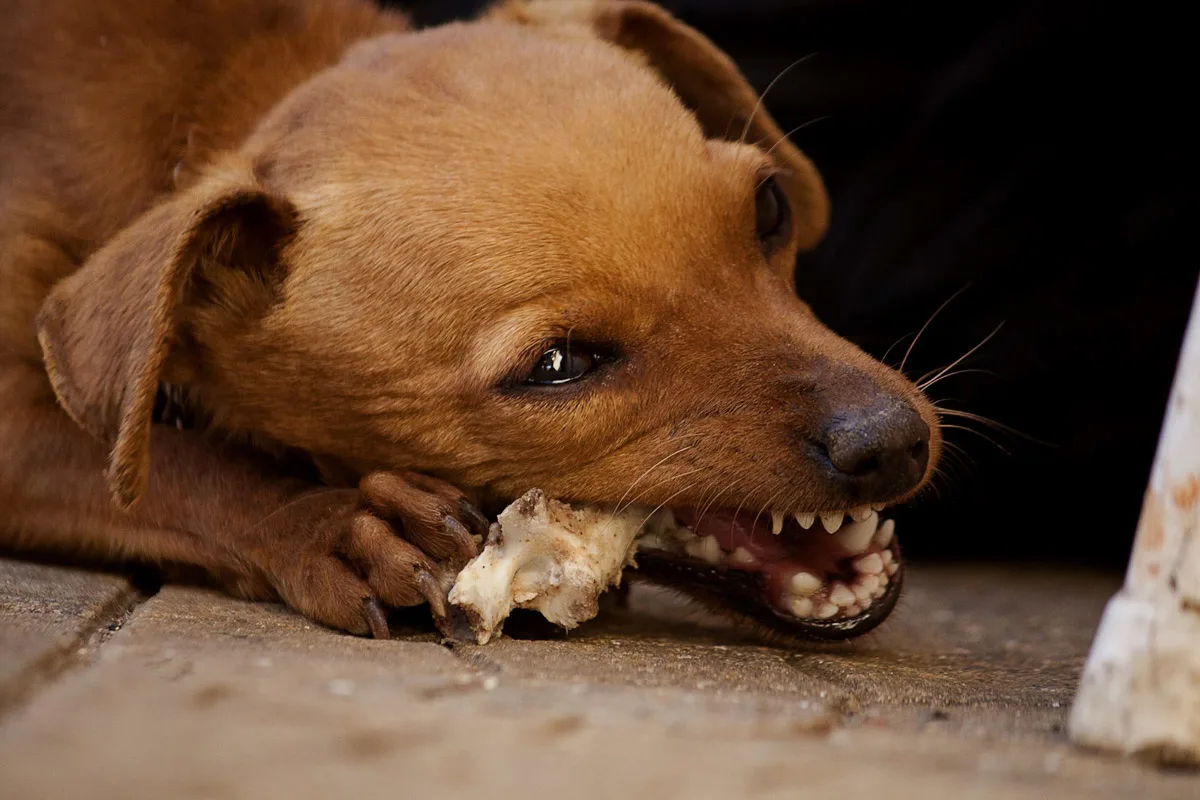
Cooked bones might seem like a natural treat, but they are one of the more dangerous foods you can give. When chewed, they splinter into sharp pieces that can puncture the digestive tract or cause choking. Even if swallowed, splinters can create blockages or internal injuries. Raw bones or safer chew alternatives are a much better option for dogs.
Raw dough with yeast


Raw dough poses a unique danger because the yeast continues to expand in a dog’s stomach. This can cause painful bloating and, in severe cases, a life-threatening condition called gastric dilatation. On top of that, the fermentation process produces alcohol, which brings additional risk of poisoning. Dogs that eat raw dough may vomit, act sluggish, or show signs of abdominal discomfort, all of which require urgent attention.
10 Toxic Plants To Dogs That Every Owner Should Know About


Keeping our dogs safe isn’t just about leashes and fences—it’s also about knowing what’s in our gardens and homes. Believe it or not, some pretty plants can be pretty dangerous to our furry buddies. Learn what makes these ten plants toxic and why you need to keep them out of reach from your dog.
Read it Here: 10 Toxic Plants To Dogs That Every Owner Should Know About
10 Popular Dog Toys That Are Actually Dangerous


Spoiling our dogs with toys is one of the best parts of being a pet parent, but some popular toys can be surprisingly dangerous. From choking hazards to toxic materials, not every toy is a good choice. Check out these popular dog toys that might be more harmful than you think and find some safer alternatives to keep your pup happy and safe.
Read it Here: 10 Popular Dog Toys That Are Actually Dangerous
*Select images provided by Depositphotos.