


We all love our dogs, but sometimes, without even realizing it, we’re the ones teaching them bad habits. Those cute quirks might seem harmless at first, but before you know it, they’ve turned into full-blown behavior issues. Whether it’s giving in to their every whim or letting them get away with things “just this once,” we’re often our own worst enemies when it comes to training.


Giving Attention When They Bark


It’s natural to respond when your dog barks, but giving them attention—whether it’s scolding or comforting—can reinforce the behavior. Your dog quickly learns that barking gets a reaction, so they’ll keep doing it. Instead, ignore the barking and reward them when they’re quiet.
Feeding from the Table


Those puppy eyes are hard to resist, but giving in and feeding your dog from the table teaches them that begging pays off. This not only encourages constant begging but can also lead to weight gain and digestive issues. Stick to feeding them only from their bowl.
Letting Them Pull on the Leash
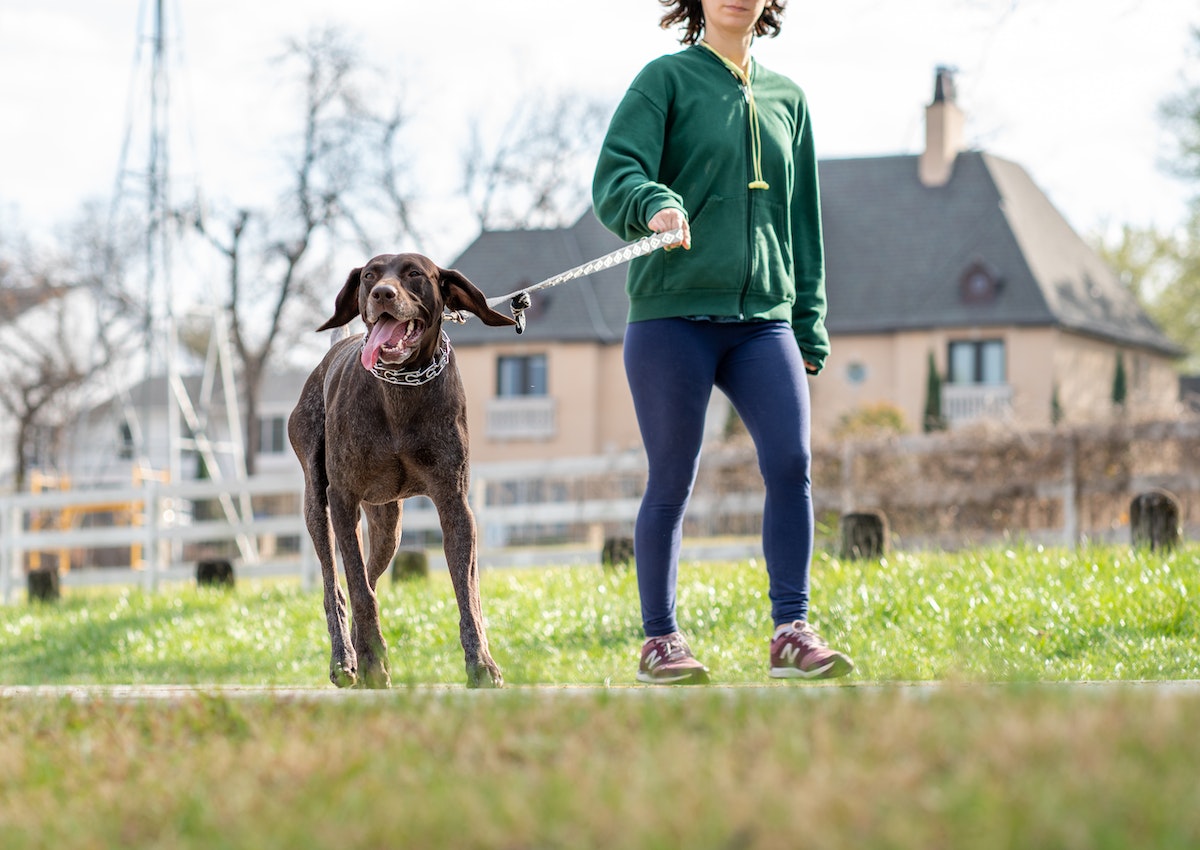

Allowing your dog to pull on the leash might seem harmless, but it teaches them that they can lead the walk. Over time, this behavior becomes harder to correct, making walks more stressful for both of you. Practice consistent leash training to establish better walking habits.
Rewarding Jumping Up


It’s easy to laugh or give attention when your dog jumps up in excitement, but this reinforces the behavior. Whether they’re greeting you or guests, allowing them to jump up can lead to problems, especially with larger dogs. Teach them to sit or stay calm for attention instead.
Inconsistent Training


If you’re not consistent with commands and rules, your dog gets confused and doesn’t know what’s expected of them. One day they’re allowed on the couch, the next day they’re not—this inconsistency can lead to anxiety and bad behavior. Stick to clear, consistent training to avoid mixed signals.
Using Your Hands as Toys


Playing with your dog using your hands might seem fun, but it teaches them that biting or mouthing is okay. This can lead to rough play that’s hard to control, especially with children or guests. Use toys instead to channel their energy and keep their teeth off your skin.
Not Setting Boundaries


Dogs need structure to understand their place in the household. If you don’t set clear boundaries—like where they can sleep or when they can be on furniture—they might start thinking they run the show. Establishing rules early on helps prevent behavior issues down the road.
Reinforcing Fearful Behavior


Comforting your dog when they’re scared might seem like the right thing to do, but it can reinforce their fear. They learn that being afraid gets them extra attention, which can make the fear worse. Instead, stay calm and confident, helping them build resilience.
Are You Making One of These 10 Common Dog Training Mistakes?


Training your dog can be challenging, especially if you’re making common mistakes without even realizing it. From inconsistent commands to not socializing enough, these missteps can slow down progress and create frustration for both you and your pup. Let’s go over some of the most common dog training mistakes and how you can avoid them to make the process smoother and more effective.
Read it Here: Are You Making One of These 10 Common Dog Training Mistakes?
10 Controversial Dog Training Methods — Do They Really Work?


Dog training methods can spark a lot of debates. Some techniques promise quick results, while others focus on building trust over time. But which ones really work, and which ones might do more harm than good? Here’s a look at 10 controversial dog training methods and their effectiveness.
Read it Here: 10 Controversial Dog Training Methods — Do They Really Work?