


Some dogs need constant reinforcement to learn even basic commands. Others catch on fast without much effort. These breeds are naturally attentive, quick to learn, and eager to work with people. They respond well to structure, making them easier to train from the start. If you want a dog that picks things up quickly and doesn’t test your patience at every turn, these breeds are a solid choice.


Border Collie


Border Collies are often considered one of the smartest dog breeds in the world, and their trainability proves it. Originally bred for herding livestock, they have a strong work ethic and the ability to pick up new tasks quickly. They respond best to structured training sessions and thrive when given consistent mental challenges. Owners who enjoy teaching commands, tricks, or agility work will find that Border Collies learn fast and stay eager to engage. They do best in homes that can match their sharp minds with purposeful activity.
Poodle


Poodles are more than just elegant show dogs. Whether standard, miniature, or toy, this breed is known for being highly intelligent and adaptable. Poodles tend to retain commands quickly and enjoy learning new things, especially when the training involves interaction and problem-solving. Their eagerness to please combined with their mental sharpness makes them a go-to choice for people who want a dog that practically teaches itself. With consistency and variety, a Poodle can master just about anything.
German Shepherd
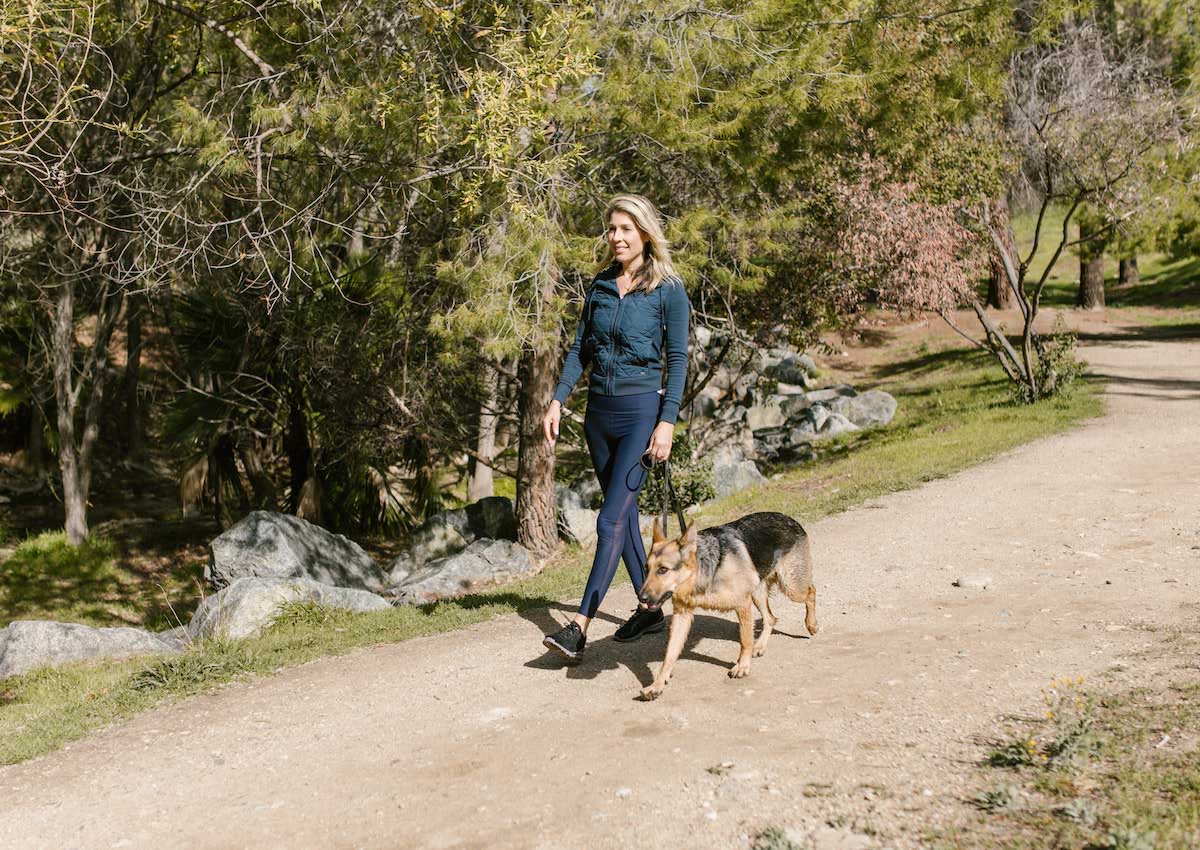

German Shepherds are known for their intelligence and ability to perform in a wide range of roles, including military, police, and service work. Their strong desire to follow direction and contribute to a task makes them naturally inclined to learn quickly. They respond well to structured routines and consistent feedback, often anticipating what is expected of them. This breed thrives in homes where training is part of daily life, and they rarely need long repetition to get things right.
Golden Retriever


Golden Retrievers are known for their even temperament and eagerness to please, which makes training a straightforward process. They are quick learners and stay highly motivated by praise and interaction. While not as intense as some working breeds, Goldens are reliable, responsive, and always up for a challenge. They are ideal for families looking for a steady, trainable companion who can follow cues and contribute to the home in practical ways.
Labrador Retriever
Labradors are friendly, focused, and highly trainable, making them a top choice for everything from service work to family life. They tend to pick up commands easily and stay consistent once trained, especially when positive reinforcement is used. Their easygoing nature helps them stay calm and focused even in new environments. Labs work best in homes that provide routine and clear communication, and they usually need minimal repetition to learn new skills.
Australian Shepherd

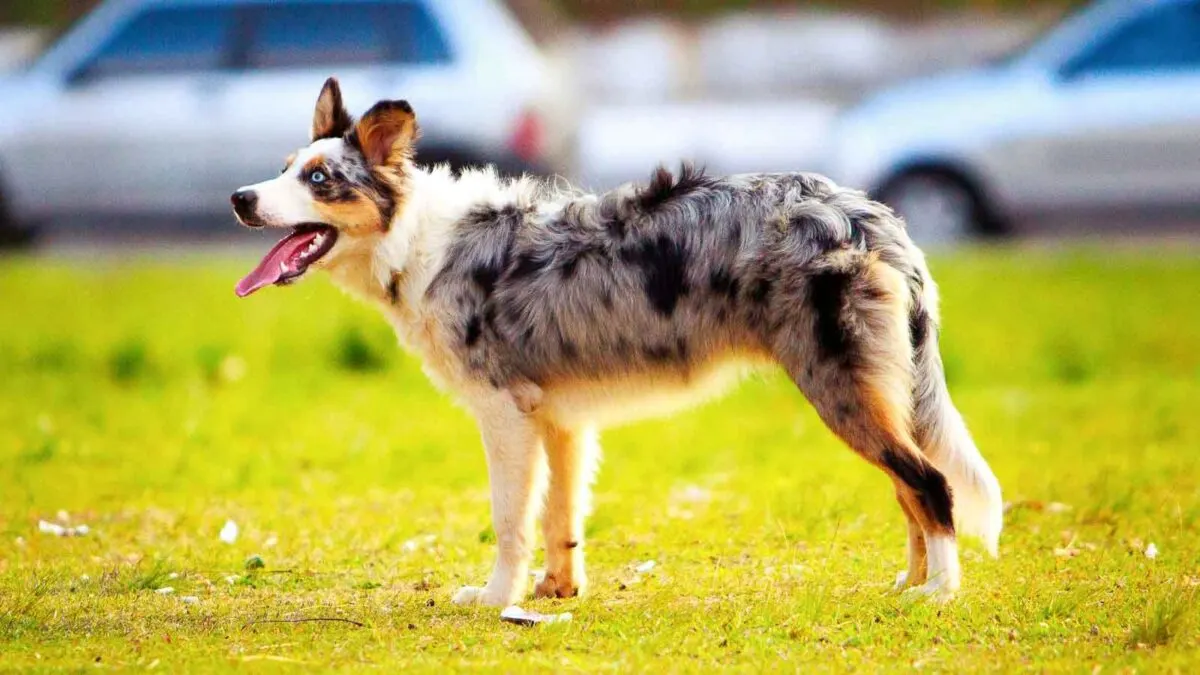
Australian Shepherds are agile, alert, and thrive when mentally and physically engaged. They were bred to herd livestock and are naturally tuned into cues from humans. Training an Aussie often feels more like teamwork than instruction because they anticipate needs and adjust quickly. These dogs are best suited for owners who want to stay actively involved in training and who enjoy giving their dogs real tasks to complete. With the right approach, they are quick to catch on and eager to keep going.
Doberman Pinscher


Dobermans are focused, responsive, and often described as one of the most obedient large breeds. They are naturally motivated to learn and often excel in structured environments where they know their role. Training is especially effective when it’s clear and consistent, as Dobermans respond best when expectations are set early. These dogs form tight bonds with their owners, which makes them very in tune with direction and routine. They are alert and responsive by nature, making them fast learners when properly guided.
Shetland Sheepdog


Shetland Sheepdogs, or Shelties, are known for their intelligence and sensitivity, both of which contribute to their trainability. They pay close attention to their owners and often anticipate commands before being asked. Shelties do especially well with positive reinforcement and consistent routines. Their alertness makes them great candidates for agility and advanced obedience. They are naturally eager to work with people and often enjoy the process as much as the outcome.
Papillon


Papillons may be small, but they have an enormous capacity for learning. These bright and curious dogs are quick to grasp new commands and love the challenge of learning new tricks. Their size makes them suitable for indoor training, and their energy keeps them engaged for extended sessions. Papillons often surprise people with how quickly they adapt to complex cues, and they are especially responsive to praise and mental stimulation. Their trainability makes them a great choice for owners looking for a compact but sharp companion.
Rottweiler

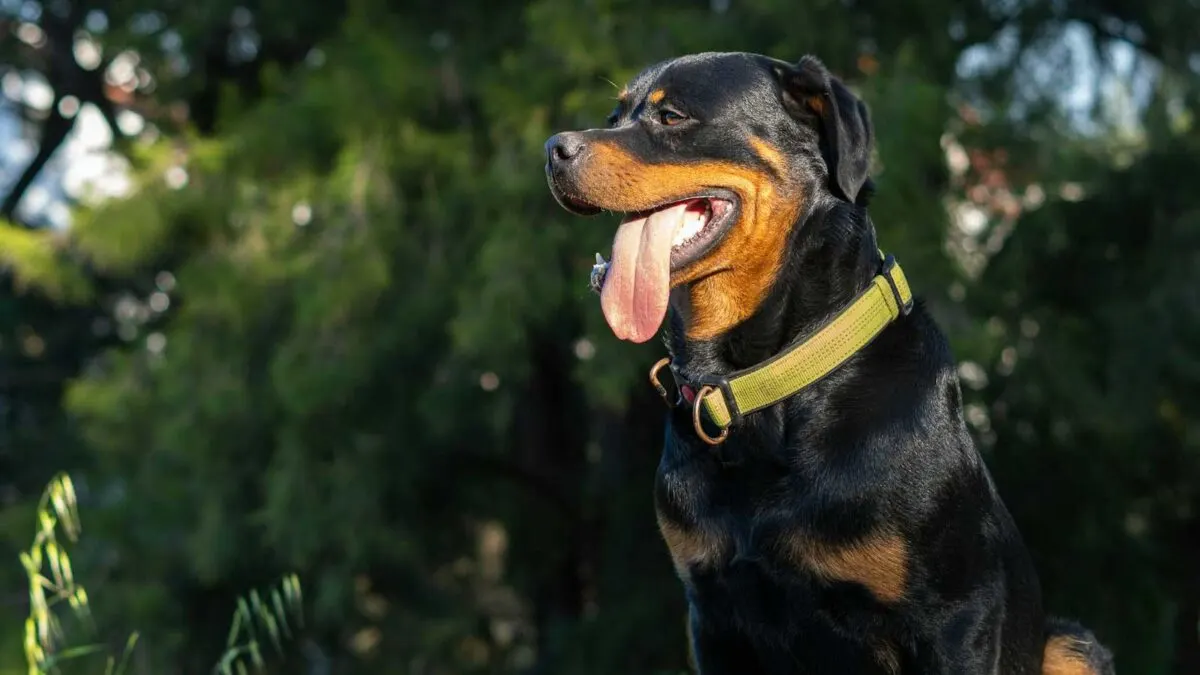
Rottweilers are powerful dogs with a reputation for protectiveness, but they are also deeply intelligent and capable learners. They thrive in homes that offer structure and clear expectations. Once a Rottweiler understands the rules, they tend to stick to them without much need for correction. Their loyalty helps them stay focused on their person, and their confidence makes them reliable in both obedience and working roles. With firm and fair training, Rottweilers respond quickly and with purpose.
Border Terrier


Border Terriers are smart, active dogs that take well to training when it is consistent and engaging. They are naturally curious and love figuring things out, which makes obedience and trick training a great outlet for their energy. While they do have a bit of an independent streak, they are responsive and attentive when handled with patience. These dogs are great for owners who want a clever but manageable companion that can learn quickly without needing strict regimens.
Corgi
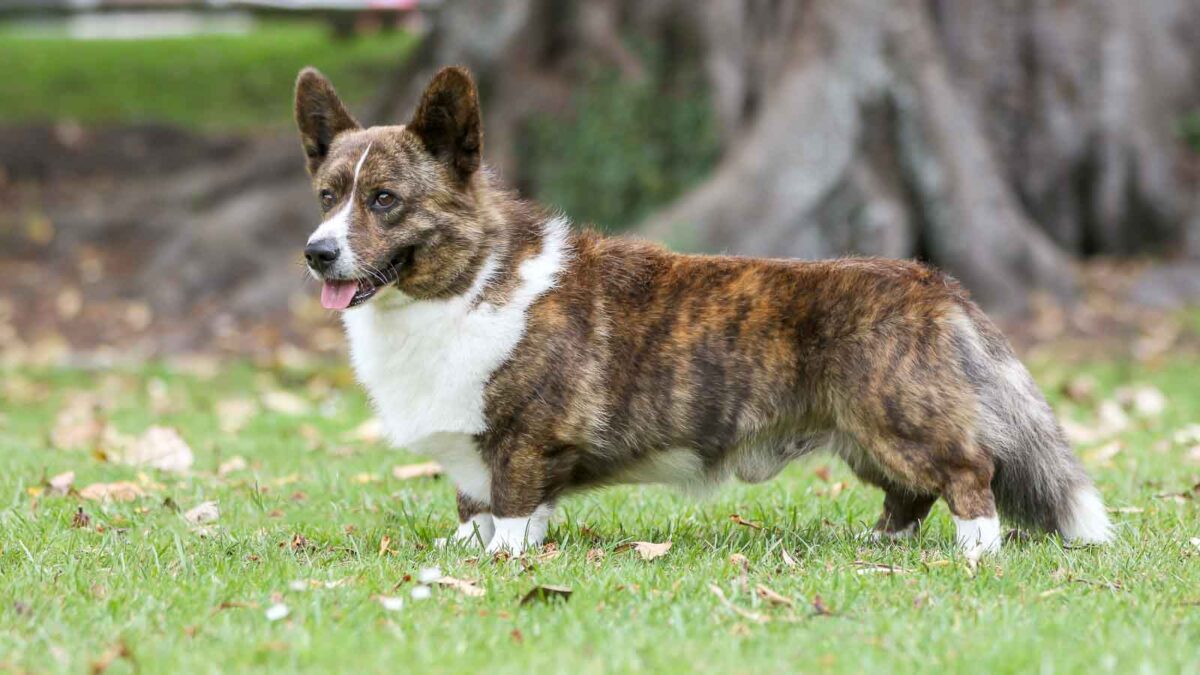

Corgis are bright, bold, and surprisingly responsive to training. Originally bred to herd cattle, they are used to taking direction while staying alert to their surroundings. Their intelligence and personality come through in how they approach new tasks. Corgis often pick up commands with minimal repetition and tend to retain them well. They enjoy learning and can become excellent students when training is structured and reward-based.
Belgian Malinois


Belgian Malinois are among the most capable working dogs and are often used in military and law enforcement for their focus and trainability. They respond to even the smallest cues and require little repetition to master new skills. These dogs need consistency, structure, and meaningful work. They thrive when paired with experienced handlers who understand their pace and need for engagement. For the right person, a Malinois can become a seamless training partner that seems to learn almost instinctively.
Vizsla

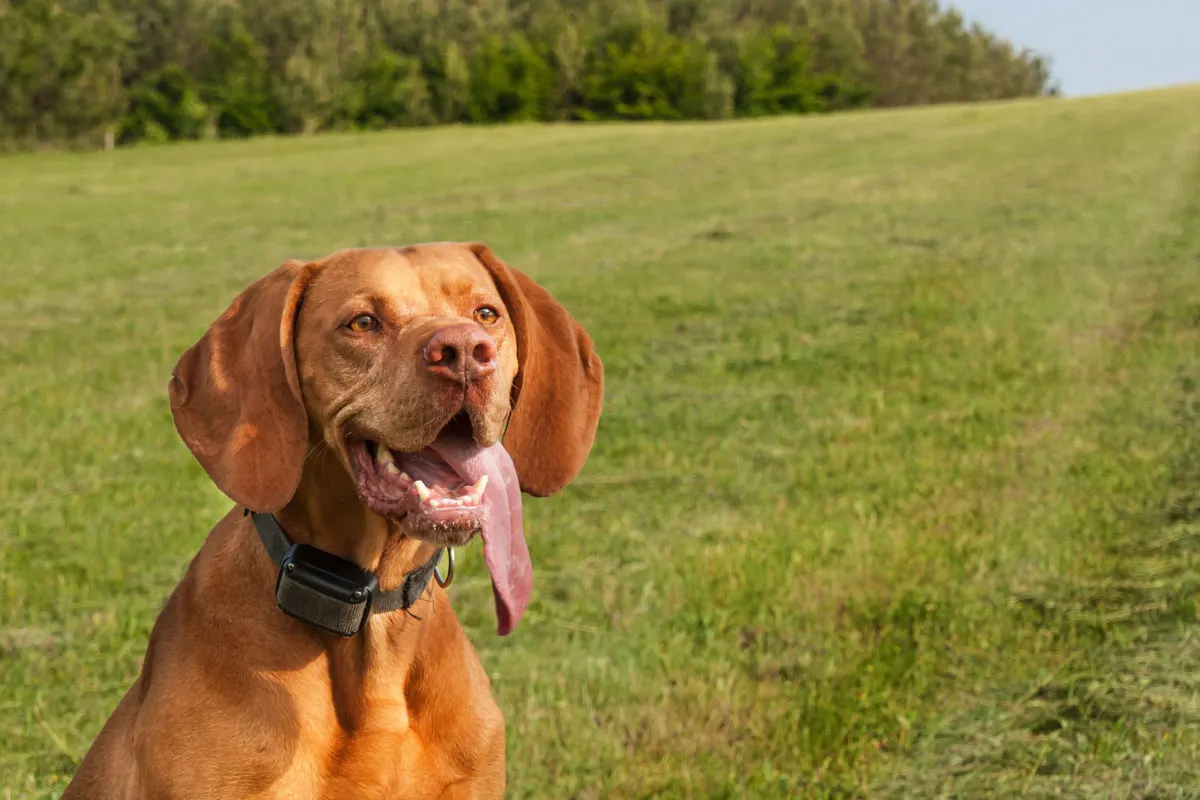
Vizslas are affectionate and intelligent, often forming strong connections with their owners that translate well into training success. These dogs thrive on interaction and pick up on expectations quickly. While they do require a lot of physical activity, their mental engagement is just as important. Vizslas are motivated by praise and tend to learn quickly when the training is hands-on and consistent. Their natural sensitivity also helps them respond to tone and body language, making the learning process smoother.
Miniature Schnauzer


Miniature Schnauzers are alert, clever, and eager to engage. They often take to training quickly, especially when it involves problem-solving or interactive play. These dogs enjoy having a job and like the routine of structured sessions. With the right balance of firmness and fun, they respond well and can retain commands with little repetition. Their high energy and sharp mind make them a natural fit for owners who enjoy active training and strong communication.
10 Top Tips For Training Your Dog To Walk Off-Leash


Training your dog to walk off-leash can be incredibly rewarding, but it takes some patience and effort. The key is to ensure your dog listens to you even when distractions are high. From basic obedience to practicing recall, there are several steps to make off-leash walking safe and enjoyable. Here’s how you and your pup can master the skill.
Read it Here: 10 Top Tips For Training Your Dog To Walk Off-Leash
10 Ways To Train Your Dog Without Treats (Yes, It’s Possible!)


Training without treats isn’t going to fly with every dog, especially those that are highly food-motivated. But for some pups, treats aren’t the only way to their hearts or their brains. If you’ve got a dog that’s just as happy with a belly rub or a game of fetch, you’re in luck. There are plenty of ways to reinforce good behavior without constantly doling out snacks. So, if you’re looking to keep your dog fit and trained without the treat bribes, here are some clever alternatives that might just do the trick.
Read it Here: 10 Ways To Train Your Dog Without Treats