

If you respect a little eccentricity, these breeds have it in ways you can see right away. Extra toes, wider paws and unusual flexibility all come from the work their ancestors were bred to do. These traits weren’t added for looks. They helped dogs climb, swim or stay steady in rough terrain, and some of that usefulness still shows today. It’s interesting how much history and purpose is carried in the shape of a paw or the way a joint moves in the pets we see today.


Norwegian Lundehund


The Norwegian Lundehund has features you won’t see on most dogs. They’ve got six toes on each foot and joints that bend weird. Those extra toes help them grip rock and stay steady on uneven ground. They were originally climbing cliffs in Norway to hunt puffins, and their unusual structure made that possible. Even today they move with the same agile, careful style that comes naturally to them.
Newfoundland


Newfoundlands are powerful swimmers thanks to their large, webbed paws. The webbing gives them more pull in the water, which is why they’ve been used for water rescues for generations. Their paws work almost like paddles, helping them stay balanced while carrying weight. When they’re in a lake or the ocean, it’s obvious they’re built for that kind of work.
Great Pyrenees


Many Great Pyrenees have double dewclaws on their back legs, giving them extra stability on rough terrain. Those claws help them stay balanced when they’re moving over rocks or uneven ground. They developed this trait while guarding livestock in the mountains, where footing wasn’t always secure. Even as pets, they still have that steady, sure step.
Saint Bernard


Saint Bernards have wide paws with natural webbing that helps them move through deep snow. Their paws spread as they walk, giving them better traction on ice and packed powder. They were bred for rescue work in tough winter conditions, and their paws played a big part in it. Their build still reflects that history even if they spend most of their time relaxing at home.
Portuguese Water Dog


The Portuguese Water Dog has webbed toes that help them glide through the water with surprising speed. They once worked alongside fishermen, so they needed paws that could cut through strong currents. Their paws let them swim fast and turn sharply, which made them useful partners on the water. They still love swimming more than almost anything else.
Dachshund
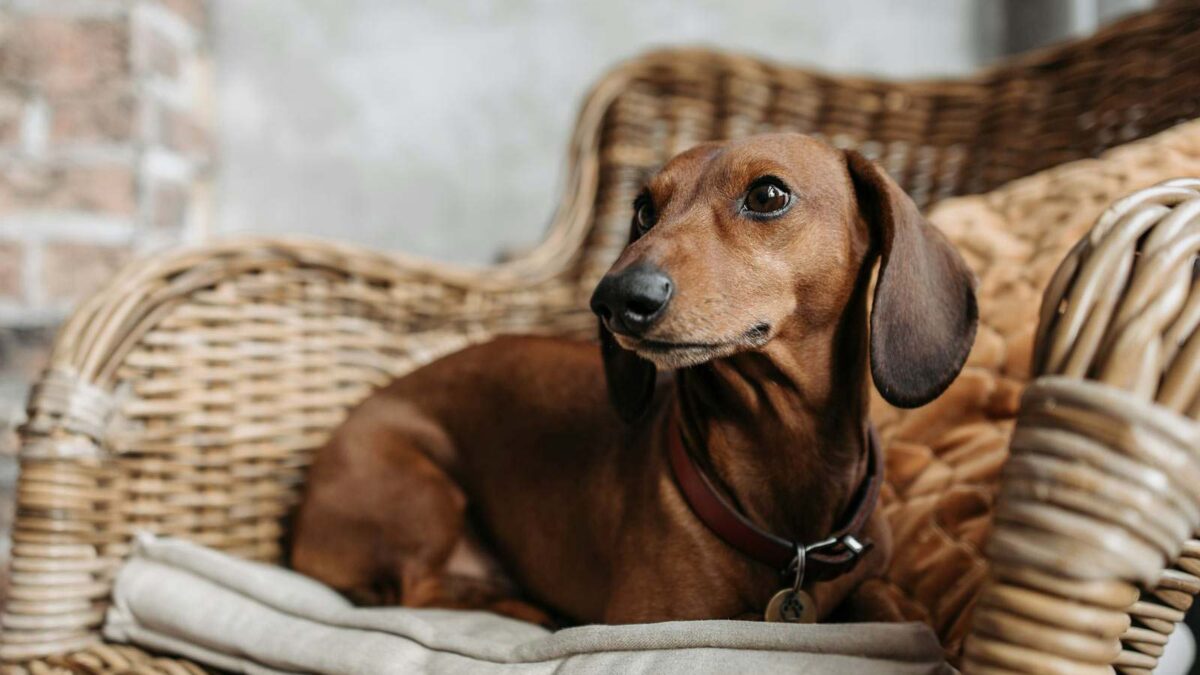
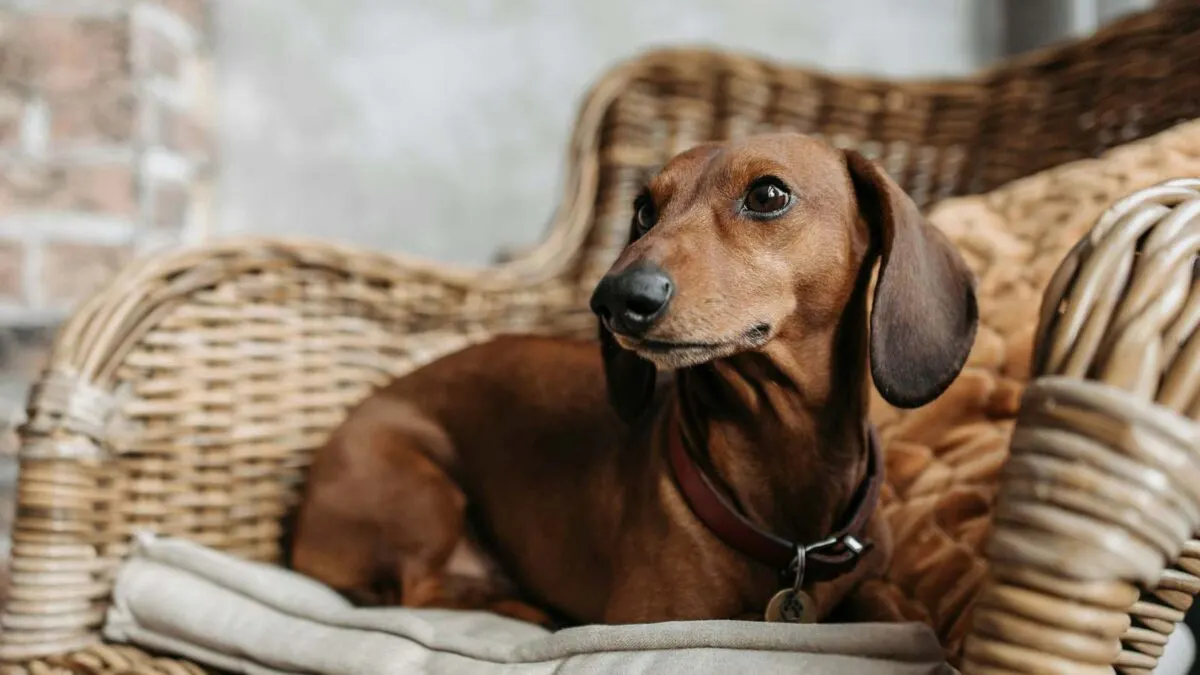
Some Dachshunds are born with slightly webbed feet or extra toes, which support their natural digging instincts. Those features help them push soil and move underground more easily. Since they were originally used to hunt burrowing animals, these traits gave them an edge. Even now, many still dig the second they get the chance.
Akita


Akitas often have subtle webbing between their toes that helps them handle snowy ground. They come from the mountains of Japan, where ice and packed snow were part of daily life. The webbing helps them keep their balance and move with confidence in slippery areas.
Norwegian Elkhound


Norwegian Elkhounds have slightly webbed feet and strong legs that let them move through rough terrain without hesitation. They were bred to track elk over long distances, so they needed paws that could handle forests, hills, and rocky patches. Their foot structure helps them stay steady while they work. Even as pets, they love exploring uneven ground.
Weimaraner


Weimaraners have webbed paws that help them move through marshes, streams, and lakes with ease. They were bred for hunting, so they needed to cross different types of terrain quickly. Their paws help them swim fast and stay stable when they’re in the water. It’s one reason they’re such confident outdoor dogs.
American Water Spaniel


The American Water Spaniel uses its webbed paws to paddle smoothly through rivers and lakes. The breed was developed for duck hunting and water retrieval, so strong swimming ability was essential. Their paws help them stay afloat and move efficiently in choppy water. They’re still happiest when they’ve got a chance to swim.
Basset Hound


Basset Hounds don’t have webbing or extra toes, but their big, padded paws help them stay steady while tracking scents close to the ground. Their low build means they need that extra footing when they’re moving across mud or wet grass. Their paws help them stay balanced while they follow a trail. It’s one of the reasons they’re such reliable scent hounds.
Polish Tatra Sheepdog


The Polish Tatra Sheepdog often has double dewclaws that help with balance on steep or rocky slopes. They were bred to protect livestock in the mountains, so their paws needed to support them on uneven terrain. Those extra claws help them grip the ground and stay secure. They still move with that same sturdy confidence today.
Otterhound


Otterhounds have webbed feet that let them glide through water with ease. They were originally used for tracking otters, so they needed to be strong, efficient swimmers. Their paws help them push through current and stay steady in deep water. They’re still natural swimmers who love any chance to dive in.
10 Dog Breeds with the Most Unique Coat Patterns


When you think of dog breeds, certain visuals come to mind, but some dogs truly stand out with their unique coats. From eye-catching spots to elegant stripes, these special patterns turn heads wherever they go. These ten breeds are renowned for their distinctive coat patterns. See what makes each one special.
Read it Here: 10 Dog Breeds with the Most Unique Coat Patterns
13 Dogs With The Most Unique Ears In The World


Dogs come in all shapes and sizes, but some have ears that are truly unforgettable. Whether they’re long and floppy or adorably perky, these dog breeds have the most unique ears you’ll ever see. Their distinctive ears not only add to their charm but also give them a special place in our hearts.
Read it Here: 13 Dogs With The Most Unique Ears In The World
*Select images provided by Depositphotos.