


Some dogs handle alone time without much trouble. Others really don’t. For certain breeds, being left at home for long hours can lead to anxiety, destructive behavior, and ongoing stress that affects their overall well-being. It’s not just about missing their owner. These dogs need regular interaction to stay balanced and secure.


Vizsla


Vizslas are incredibly affectionate dogs that thrive when they’re near their people. They are often referred to as “Velcro dogs” because they tend to follow their owners from room to room, always wanting to be close. This high level of attachment means they don’t handle alone time well. If left for too long, they can become visibly anxious and turn to behaviors like chewing, pacing, or vocalizing in frustration. Vizslas do best in homes where someone is present for most of the day or where they can participate in frequent activities and exercise.
Border Collie


Border Collies are highly intelligent dogs with an endless drive to work and problem-solve. Without consistent mental and physical stimulation, they don’t just get bored—they get frustrated. This frustration can quickly turn into stress when they’re left alone for extended periods. They may chew furniture, bark excessively, or engage in obsessive behaviors like circling or digging. For a breed this active and alert, solitude often leads to trouble unless they’ve had a proper outlet for their energy.
Italian Greyhound


Italian Greyhounds form deep emotional connections with their families and tend to be especially sensitive. They often mirror their owner’s routines and moods, which makes long periods of separation especially difficult. These dogs can become anxious quickly and may respond with whining, accidents in the house, or clingy behavior when you return. Their size and temperament make them more comfortable in calm, consistent environments where companionship is always close by.
Australian Shepherd

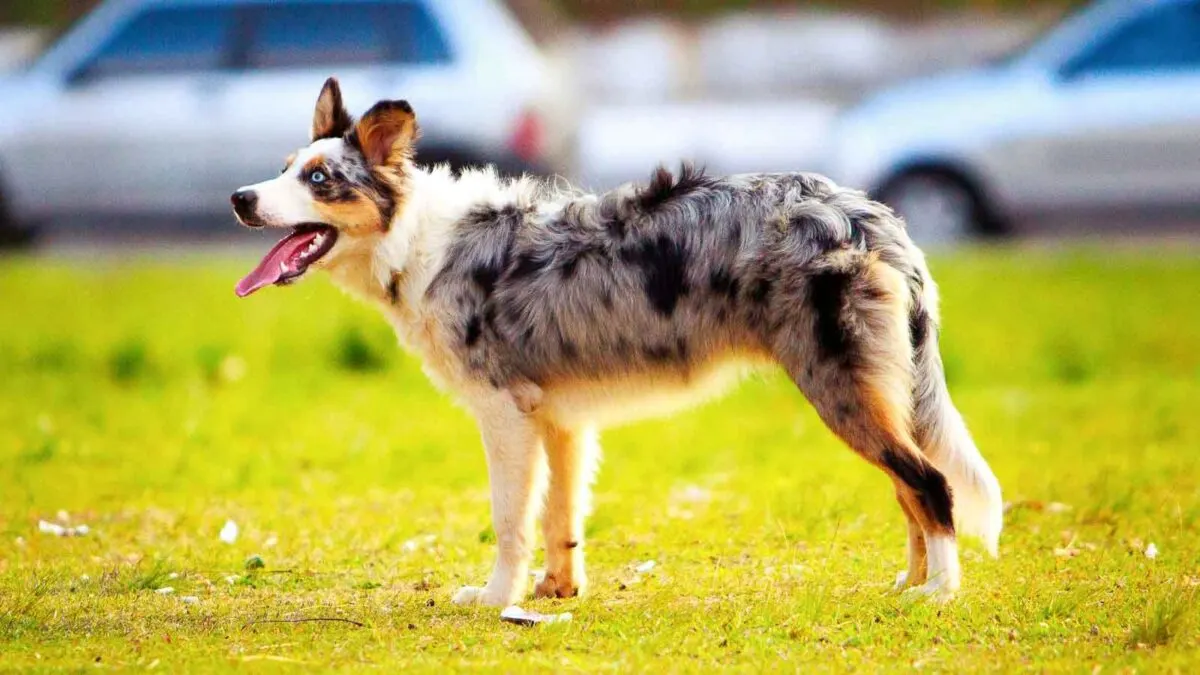
Australian Shepherds are working dogs at heart. They are bred to herd, think, and stay on task, and that mindset doesn’t disappear in a domestic setting. When they don’t have a job to do and are left alone too long, their minds often go into overdrive. This can result in behaviors like chewing, barking at every small noise, or trying to escape the yard. They need structure, activity, and regular engagement to stay balanced, making them a poor match for long hours alone.
Cavalier King Charles Spaniel


Cavaliers are sweet, social dogs that were bred to be companions. They’re not particularly demanding, but they do need near-constant human presence to feel secure. Being left alone too long can trigger anxiety, often resulting in behaviors like barking, scratching at doors, or becoming withdrawn. They bond quickly and deeply, so separation feels like a genuine loss. If your schedule keeps you away from home most of the day, this breed may struggle to adjust.
Hungarian Puli


The Puli is an energetic and alert breed with a deep need for purpose. Their strong herding instincts and high intelligence mean they constantly seek interaction and challenge. When left alone without stimulation, they may bark excessively or look for ways to release pent-up energy, often in destructive ways. While their unique coat draws attention, their emotional needs are just as demanding. A lack of companionship can make this smart and loyal breed anxious and difficult to manage.
Miniature Schnauzer


Miniature Schnauzers are spirited, people-oriented dogs that enjoy having a role in daily life. They are vocal, alert, and always ready to engage with the world around them. Left on their own too long, they can become anxious and start acting out through barking or mischief around the house. They’re the kind of dog who wants to be in the room with you, not watching from across a baby gate. A lack of consistent interaction can leave them restless and unhappy.
Lagotto Romagnolo


Lagottos are clever, affectionate dogs originally bred for truffle hunting, which means they’re highly motivated and enjoy having something to do. Their intelligence is part of their charm but can also work against them if they’re left alone too long. Without enough activity or companionship, they may become anxious or destructive. They tend to bond closely with their owners and need regular mental challenges to stay balanced. Long hours alone often lead to stress-related behaviors.
Cocker Spaniel


Cocker Spaniels have a long history as companion dogs, which makes them incredibly affectionate and tuned in to their people. That closeness can become a liability when they’re left by themselves for extended periods. Many will show signs of separation anxiety, including pacing, howling, or chewing at doors and furniture. Their emotional nature means they feel absence deeply and may struggle to self-soothe without someone around. A consistent routine with regular interaction helps keep them calm and stable.
Bichon Frise


The Bichon is a social, cheerful breed that thrives in environments where people are always nearby. They are not built for solitude and often become anxious when left without human contact for too long. This can show up in attention-seeking behaviors, barking, or even house soiling. Their upbeat personality makes them a joy to be around, but that same need for companionship can turn into distress if their emotional needs aren’t met on a daily basis.
Havanese


Havanese are known for their affectionate, people-focused temperament. They build strong bonds quickly and don’t enjoy being left out of the action. Long hours without attention can lead to anxious behaviors like barking, chewing, or pacing. They often do best in homes where someone works remotely or has a flexible schedule. This breed is less about independence and more about consistent, loving connection.
Japanese Chin


The Japanese Chin is a gentle and sensitive companion dog that thrives on quiet companionship. They are not a high-energy breed, but they form strong emotional bonds and dislike being left alone. Prolonged separation can cause them to act out through excessive barking or clingy behavior when you return. Their quiet nature makes them seem easygoing, but they need just as much companionship as more outwardly needy breeds.
10 Tips For Managing Your Dog’s Separation Anxiety


If your dog gets anxious when you leave, you’re not alone. Many pet owners face the challenge of managing their dog’s separation anxiety. It can be tough seeing your best friend distressed, but there are effective ways to help them cope. Let’s walk through some practical tips to ease your dog’s anxiety and make your departures less stressful for both of you.
Read it Here: 10 Tips For Managing Your Dog’s Separation Anxiety
12 Breeds That Will Stay Velcroed To Your Side


Some dogs like a little space. These aren’t those dogs. These are the ones who sit outside the bathroom door, follow you from room to room, and act like your shadow has a heartbeat. They’re not clingy in a needy way, they’re just wired to stay close. It’s how they bond, how they feel secure and how they make sure you don’t do anything interesting without them.
Read it Here: 12 Breeds That Will Stay Velcroed To Your Side
*Select images provided by Depositphotos.