


Some dogs seem to know exactly when something’s wrong. They stay close without making a big deal out of it, watch you a little more carefully, and shift their energy to match yours. You don’t have to ask them to comfort you because they’ve likely already picked up on the mood change. They don’t fix anything, but they make things feel a little less heavy.


Labrador Retriever


Labs have a natural ability to sense human emotion and adjust their behavior accordingly. They sit with you, lean in, make eye contact, and offer comfort through presence. Their calm temperament and social intelligence make them perfect for people needing emotional grounding.
Golden Retriever
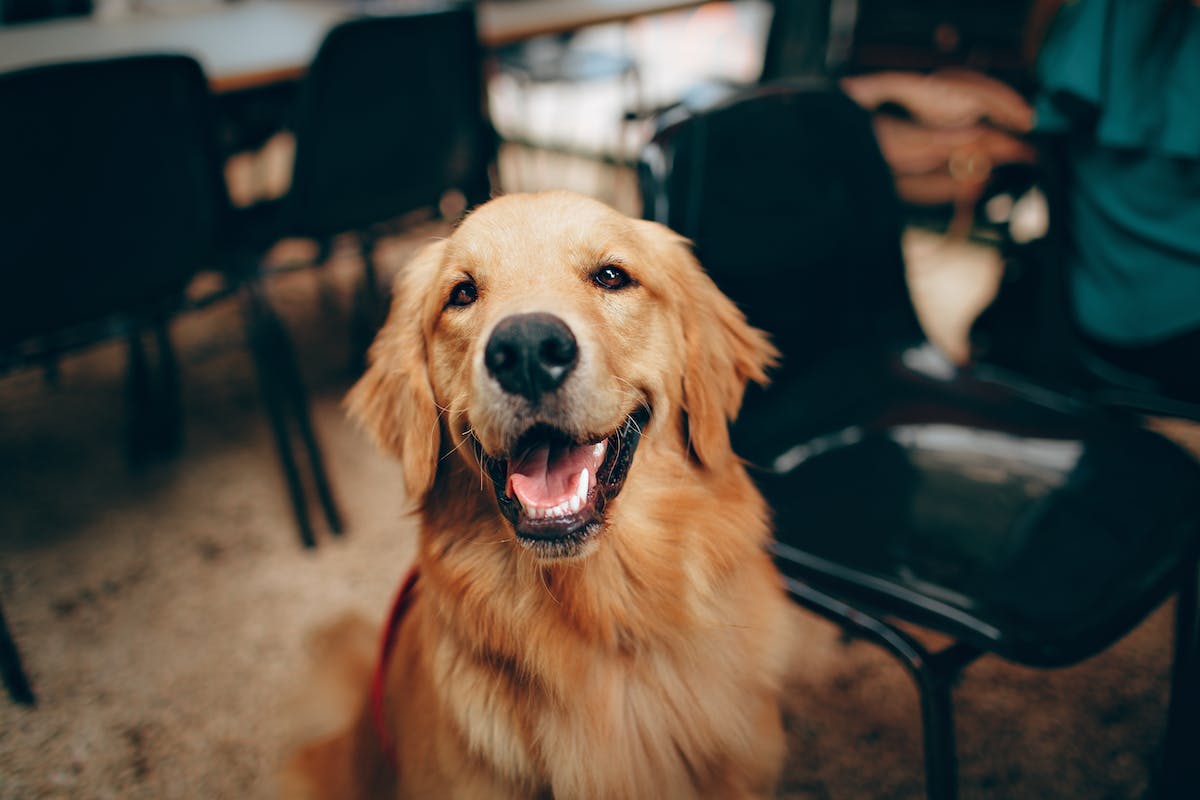
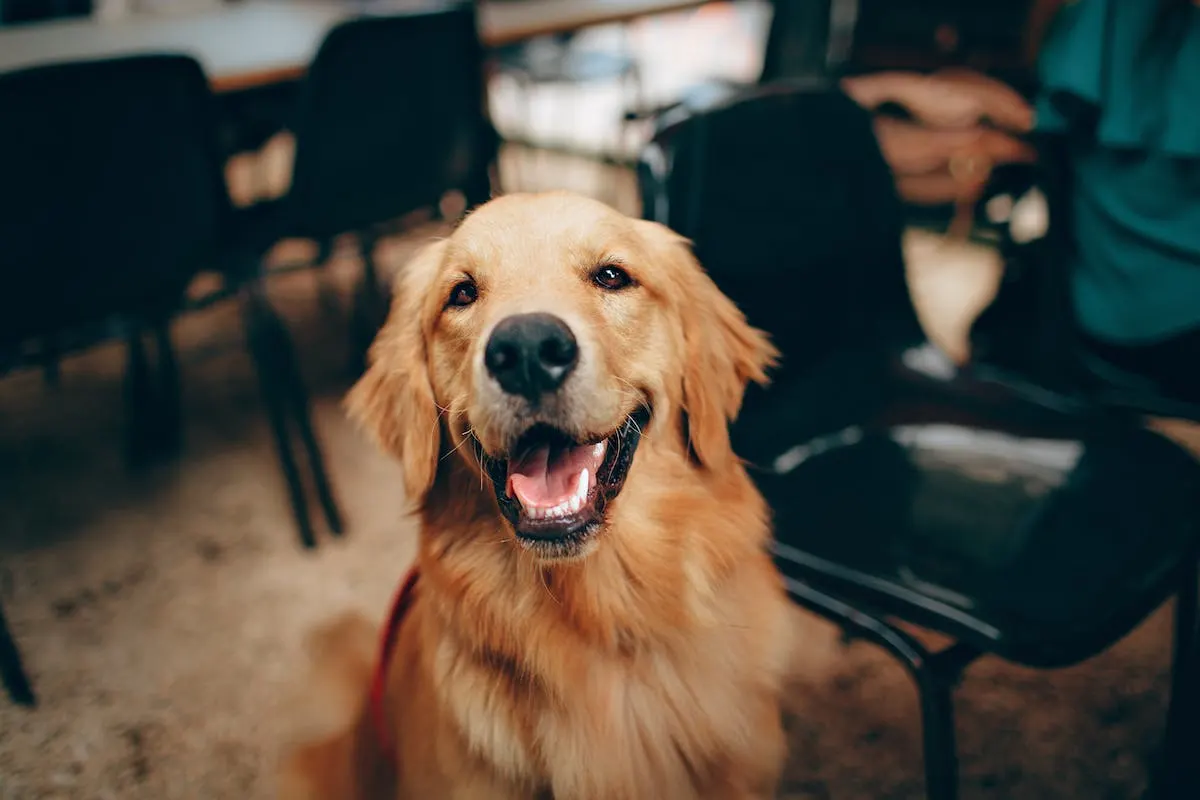
Goldens are intuitive, emotionally responsive, and gentle. They pick up on shifts in tone, posture, and mood faster than most people do. They instinctively offer comfort by lying next to you, nudging for interaction, or simply being a steady presence when everything else feels off.
Cavalier King Charles Spaniel


Cavaliers were bred to be lap dogs and emotional companions, and they take that job seriously. They’re quiet, non-intrusive, and read energy like a book. They sense sadness or stress and respond by sticking close, often resting their head on you as if to say, “I’m here. It’s fine.”
Standard Poodle


Don’t let the fluff fool you. Poodles are incredibly intelligent and emotionally sharp. They can tell when something’s off and will quietly respond with touch or companionship. Their calm, steady energy is ideal for people who need emotional support without a lot of chaos or noise.
Havanese


Havanese follow you around not because they’re clingy, but because they’re highly attuned to their person’s mood and nervous system. They offer comfort through closeness and calm reactions, often positioning themselves nearby without needing constant engagement.
Australian Shepherd


Aussies read body language exceptionally well and thrive when they feel emotionally useful. They’ll pick up on distress quickly and respond with close attention, often maintaining eye contact or nudging to stay connected. They like to help, even when the job is simply being there.
Great Dane


Despite their size, Danes are gentle giants who often act like oversized therapy dogs. They sense discomfort and respond with quiet companionship rather than energy. Their slow movements, calming presence, and ability to ground a room make them perfect emotional mirrors.
Shih Tzu


Bred as royal companions, Shih Tzus are naturally empathetic and prefer calm environments. They’re not hyperactive or loud, making them a great match for people who need a soft presence. They respond to subtle shifts in your behavior with quiet loyalty.
Boxer


Boxers are energetic, but when their person is down, they know how to dial it back. They often try to cheer people up with goofy behavior or gentle nudging. They’re emotionally attuned and act with surprising patience when someone needs support.
Rough Collie


Collies are sensitive, smart, and in tune with their person’s emotional state. They show concern when something feels off and will calmly stay by your side. Their intuition and need to comfort without overwhelming make them natural emotional anchors.
Newfoundland


Newfies bring calm by simply existing. They’re slow, patient, and have an unshakable presence. When anxiety spikes or the mood dips, they absorb the energy without flinching. Their huge size paired with their soothing nature offers physical and emotional reassurance.
Cocker Spaniel


Cocker Spaniels are soft, affectionate, and emotionally in sync with their people. They respond quickly to sadness, often curling up beside you or placing a paw gently on your leg. They don’t demand much, just the chance to be close and comforting.
These 12 Breeds Make The Best Therapy Dogs And Why


Therapy dogs are more than just adorable companions; they’re essential partners for many people, providing support and accessibility. Whether it’s offering comfort in hospitals, helping those with differing abilities navigate the world, or detecting allergies, these dogs are true heroes. While almost any breed can shine with the right training, some breeds naturally excel as therapy dogs. Sure, Golden Retrievers and German Shepherds are classics, but some breeds on this list might surprise you!
Read it Here: These 12 Breeds Make The Best Therapy Dogs And Why
13 Breeds That Make Great Emotional Support Animals


Emotional support dogs are more than just pets—they’re companions that provide comfort and stability to people dealing with emotional or mental health challenges. These dogs aren’t trained to perform specific tasks like service dogs, but their presence alone can help reduce anxiety, depression, and stress. Getting an emotional support dog isn’t about teaching them tricks; it’s about having a reliable, loving presence by your side. All it takes is a letter from a licensed mental health professional to certify your dog as an emotional support animal. So, if you’re looking for a furry friend who’s always ready to lend a paw (or cuddle), these breeds are some of the best at offering unconditional emotional support.
Read it Here: 13 Breeds That Make Great Emotional Support Animals
*Select images provided by Depositphotos.