


Dogs are more than just furry friends; they can be a game changer for senior citizens. It turns out that having a dog offers a range of surprising benefits that go beyond simple companionship. From boosting physical activity to enhancing emotional well-being, the perks of dog ownership can significantly improve the quality of life for the elderly. Here are some unexpected ways that dogs can make a senior’s life better.


Companionship


Dogs provide consistent, nonjudgmental companionship that can help ease feelings of loneliness and isolation, which are common in older adults. For seniors who live alone or have lost a spouse, a dog offers daily presence and emotional connection that fills a meaningful gap. The bond with a dog can create a comforting sense of stability and routine, especially during emotionally difficult times.
Increased Physical Activity


Dog ownership naturally encourages movement, from regular walks to simple playtime in the yard. For seniors, even light physical activity like short walks helps maintain joint mobility, cardiovascular health, and overall fitness. Having a dog gives a reason to get outside, move the body, and stay active on a consistent schedule, which has proven long-term health benefits for aging adults.
Improved Mental Health


Spending time with dogs has been shown to reduce cortisol (the stress hormone) and increase serotonin and dopamine, both linked to feelings of happiness and calm. The simple act of petting a dog can help ease anxiety and reduce symptoms of depression. For seniors dealing with grief, chronic illness, or major life changes, the emotional grounding that comes from interacting with a dog can be incredibly therapeutic.
Social Interaction


Dogs often serve as social icebreakers, especially during walks or vet visits. For seniors who might struggle to find opportunities to connect with others, a dog can open the door to friendly conversations with neighbors, other dog owners, or even strangers. These small interactions can have a big impact on mood, confidence, and feelings of inclusion in the community.
Routine and Structure


Caring for a dog brings daily structure, from morning feedings to scheduled walks. This sense of purpose can be especially helpful for retirees who are adjusting to a less structured lifestyle. A dog gives seniors something consistent to care for and respond to, helping to maintain mental sharpness and time orientation throughout the day.
Enhanced Security
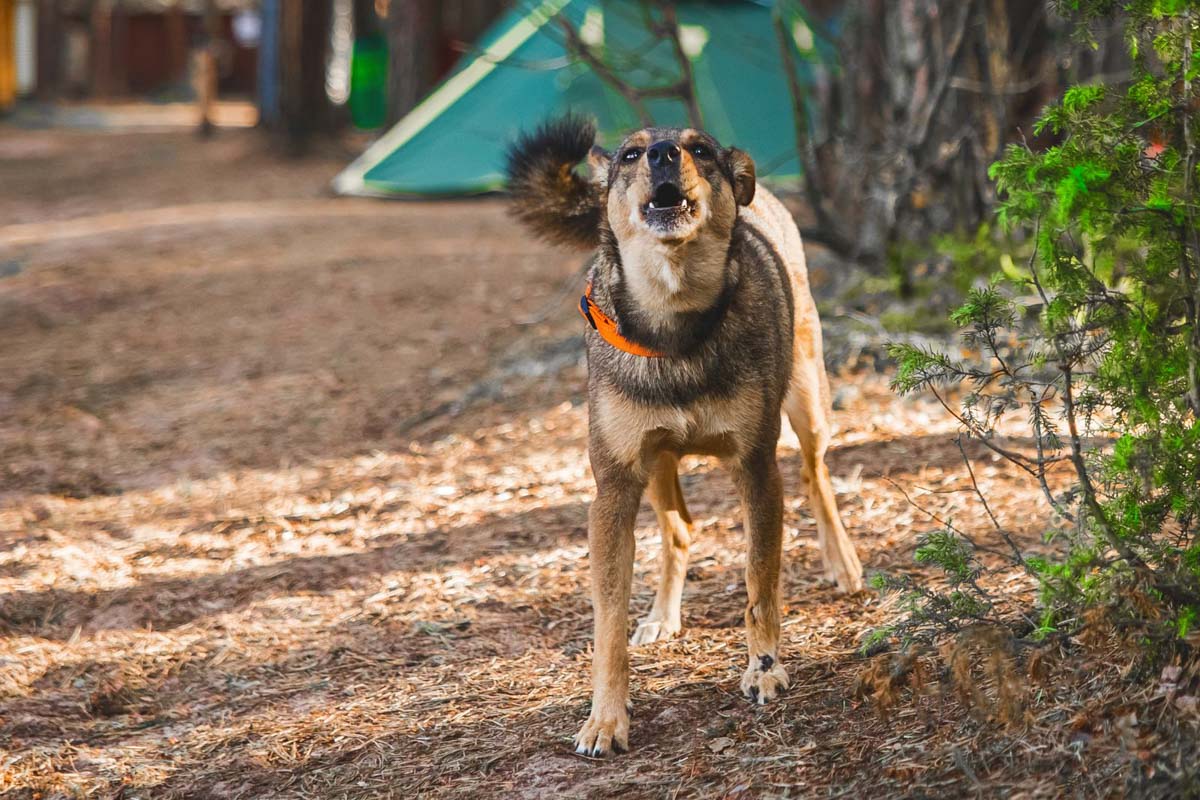

Dogs, even small ones, can provide a strong sense of protection. Their barking can serve as an early warning system, which helps seniors feel more secure in their homes. Knowing that a dog will alert them to noises, unexpected visitors, or changes in their environment provides peace of mind and reduces feelings of vulnerability.
Health Monitoring


Some dogs can be trained to detect shifts in health conditions, including changes in blood sugar levels, heart rate, or signs of an oncoming seizure. These service or alert dogs are particularly helpful for seniors with chronic conditions like diabetes or epilepsy. Even without formal training, many dogs are naturally in tune with their owner’s emotional and physical states and may respond to signs of discomfort or distress.
Increased Independence


Certain dog breeds can be trained to assist with mobility, retrieve items, or help perform everyday tasks, giving seniors more autonomy in their homes. These dogs can reduce reliance on others for basic assistance and make it easier to live independently longer. This level of support not only aids in daily function but also builds confidence and self-sufficiency.
Unconditional Love and Affection


Dogs offer a type of emotional support that is consistent, loyal, and unconditional. They don’t judge, they don’t hold grudges, and they are always happy to see their owner. This level of affection can be especially meaningful for seniors who have lost loved ones or struggle with emotional isolation. The emotional bond can help reduce feelings of sadness and increase a sense of connection and well-being.
Cognitive Stimulation


Taking care of a dog requires attention, decision-making, and problem-solving—whether it’s planning feeding times, remembering vet appointments, or simply engaging in play. These activities stimulate brain function and encourage seniors to stay mentally active. Regular engagement with a dog can help slow cognitive decline and keep the brain healthier for longer.
10 Toxic Plants To Dogs That Every Owner Should Know About


Keeping our dogs safe isn’t just about leashes and fences—it’s also about knowing what’s in our gardens and homes. Believe it or not, some pretty plants can be pretty dangerous to our furry buddies. Learn what makes these ten plants toxic and why you need to keep them out of reach from your dog.
Read it Here: 10 Toxic Plants To Dogs That Every Owner Should Know About
The 10 Most Unexpectedly Intelligent Dog Breeds


When you think of intelligent dogs, certain breeds immediately come to mind. But intelligence isn’t just about following commands—it’s also about problem-solving and adaptability, traits that some lesser-known breeds exhibit in spades. The mental prowess of these ten breeds might just surprise you. Do you think you know the canine world’s hidden geniuses?
Read it Here: The 10 Most Unexpectedly Intelligent Dog Breeds