


Taking your dog to the park is supposed to be a fun outing — a place where they can run free, socialize with other dogs, and burn off some of that endless energy that’s driving you crazy inside the house. But there are a list of potential risks hiding behind all that fun that are worth considering before your next visit.


Unpredictable Dog Behavior
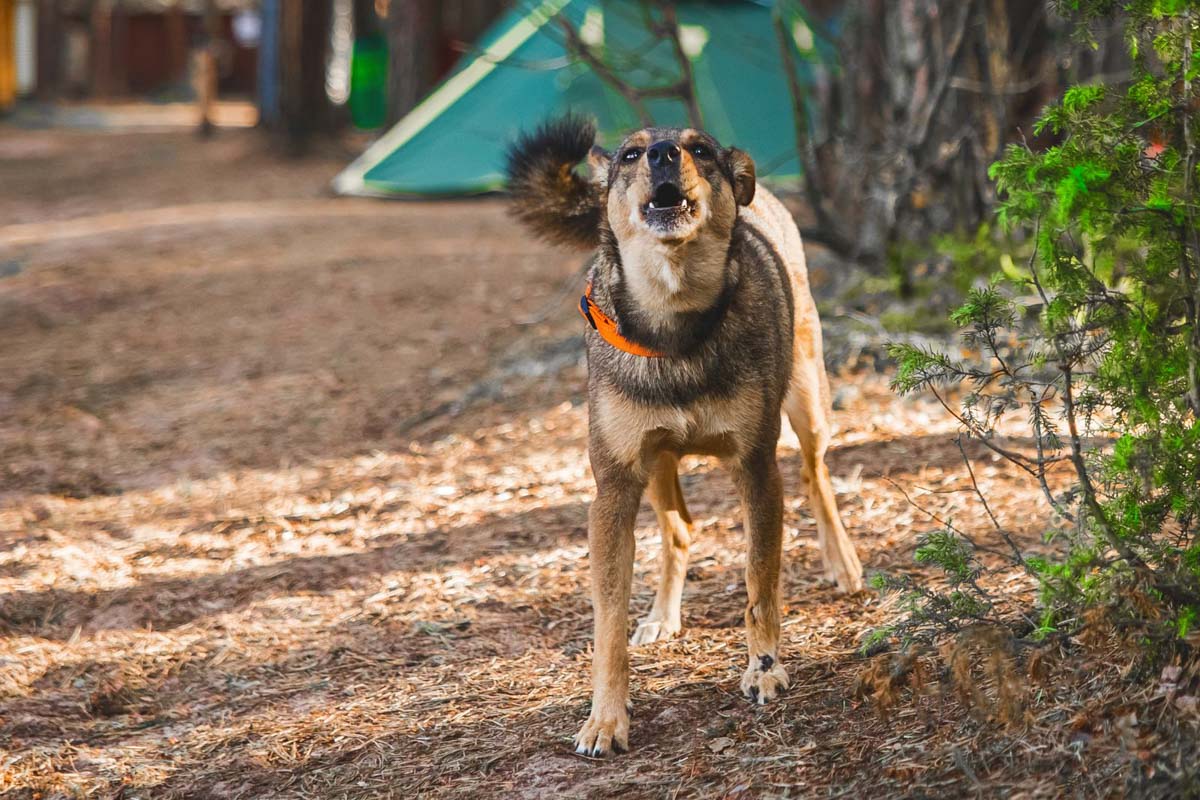

Even the most well-socialized dog can have an unpredictable moment. At a dog park, your canine companion might encounter another dog who’s not on their best behavior. A friendly romp can quickly turn into a tense standoff, leaving you to play peacekeeper. While most dogs get along just fine, the unpredictable nature of dog interactions means there’s always a chance for unexpected growls or scuffles.
The ‘Pack Mentality’ Problem


Dogs are social creatures, and when they’re in a group, they can sometimes take on a “pack mentality.” This can lead to behavior that’s out of character for your usually well-mannered pup. What starts as a fun game of chase can escalate into a chaotic frenzy, with your dog caught up in the excitement. Suddenly, your pooch is part of a rowdy pack, and you’re left wondering how your gentle friend became a ringleader in a doggy free-for-all!
Parasitic Pals


Dog parks can be a breeding ground for fleas, ticks, and other pesky parasites. With so many dogs sharing the same space, it’s easy for these tiny hitchhikers to make themselves at home on your dog. A quick romp through the grass can turn into an uninvited flea infestation back home. While these issues are manageable, they’re an often overlooked downside of frequent dog park visits.
Health Hazards from Shared Water Bowls


Many dog parks offer communal water bowls, but these can be breeding grounds for bacteria and viruses. Sharing a water source with multiple dogs increases the risk of your pup picking up something unpleasant, like kennel cough or giardia. It’s always a good idea to bring your own water and bowl to avoid any unwanted surprises.
Unseen Hazards in the Environment


Dog parks aren’t always as pristine as they appear. Hidden dangers like broken glass, sharp objects, or even toxic plants can lurk in the grass, posing a risk to your dog’s health. A simple sniff or step in the wrong spot could lead to an unexpected trip to the vet. It’s a good idea to do a quick scan of the area before letting your dog run free.
Inadequate Supervision


Not all dog owners keep a close eye on their pets at the park. This can lead to situations where rough play goes unchecked, or where smaller dogs might get overwhelmed by larger, more boisterous ones. Without proper supervision, things can quickly get out of hand, turning what should be a fun outing into a stressful experience for both you and your dog.
Overcrowding Issues


Some dog parks can get incredibly busy, especially on weekends or after work hours. Overcrowding can lead to overstimulation and stress for some dogs, who might become anxious or defensive in such a high-energy environment. When there are too many dogs in one space, the potential for conflict increases, and it can become difficult to manage all the different personalities and play styles.
Transmission of Diseases


Dog parks, while great for socializing, can also be hotspots for the spread of contagious diseases like kennel cough or canine influenza. With so many dogs in close proximity, it’s easy for illnesses to spread, especially if not all dogs are up to date on their vaccinations. Regular visits to the vet and ensuring your dog is properly vaccinated can mitigate this risk, but it’s something to keep in mind when planning park visits.
Potential for Dog Theft


While it’s not common, there have been instances of dog thefts at parks. High-value or purebred dogs are particularly at risk. A moment of inattention is all it takes for someone with ill intentions to take advantage of the open environment. Keeping a close eye on your dog and being aware of your surroundings can help prevent this rare but serious issue.
Not All Dogs Are a Good Fit


Dog parks aren’t the best environment for every dog. Some dogs, especially those with anxiety, aggression, or poor socialization, might find the park overwhelming and stressful. For these dogs, the park can do more harm than good, leading to increased anxiety or behavioral issues. Understanding your dog’s temperament and comfort level is crucial before deciding to visit the dog park regularly.
13 Dogs That Are Perfect For People Who Hate Exercise


Not everyone is into jogging or spending hours at the dog park, and that’s totally fine. If you’re more into Netflix marathons than actual marathons, you need a dog that’s on your wavelength. These low-energy breeds are perfect for people who prefer a slower pace.
Read it Here: 13 Dogs That Are Perfect For People Who Hate Exercise
13 Best Dog Breeds For Active Families


If your family is always on the go and needs a furry friend to match your energy, you’ve come to the right place. From running buddies to playtime champions, these breeds are perfect for families who love to stay active. Whether you’re hiking, swimming, or just playing fetch in the backyard, these dogs will be right by your side, ready for any adventure.
Read it Here: 13 Best Dog Breeds For Active Families
*Select images provided by Depositphotos.