

Walking a dog that pulls can feel more like a workout than a stroll. It’s frustrating, tiring, and usually ends with both of you annoyed. Leash manners take time and consistency, but they’re easier to teach than most people think. Simple changes in how you walk, reward, and react can completely shift your dog’s behavior. With a little patience, your daily walks can go from chaotic to calm and actually feel enjoyable again.
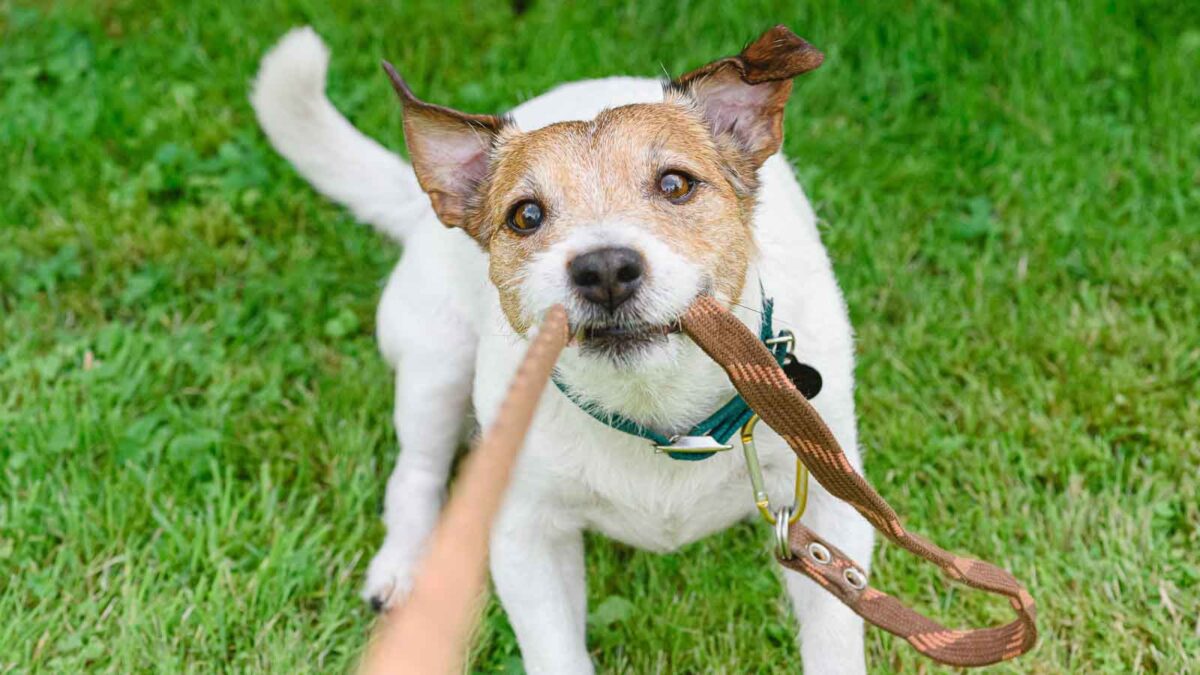

Switch to a no-pull harness


A no-pull harness gives you more control without hurting your dog. It redirects their pulling from the neck to the chest so they can’t lean into it. This setup helps them learn where you want them to walk while keeping walks more comfortable for both of you.
Pause the moment they pull


When your dog pulls, stop walking right away. Standing still teaches them that pulling gets them nowhere. Once they relax and the leash slackens, start moving again. They’ll catch on that calm, steady walking keeps the walk going.
Keep them guessing with direction changes


Dogs tune in fast when they don’t know where you’ll head next. Try turning around or taking a new path mid-walk. This keeps their focus on you instead of distractions ahead and makes walks more like a mental workout than a tugging match.
Reward calm walking


Bring small treats and hand one out every time your dog walks politely beside you. Rewarding good behavior helps them connect calm walking with good things. As they improve, you can shift from treats to simple praise or a quick pat.
Shorten your walks to build focus
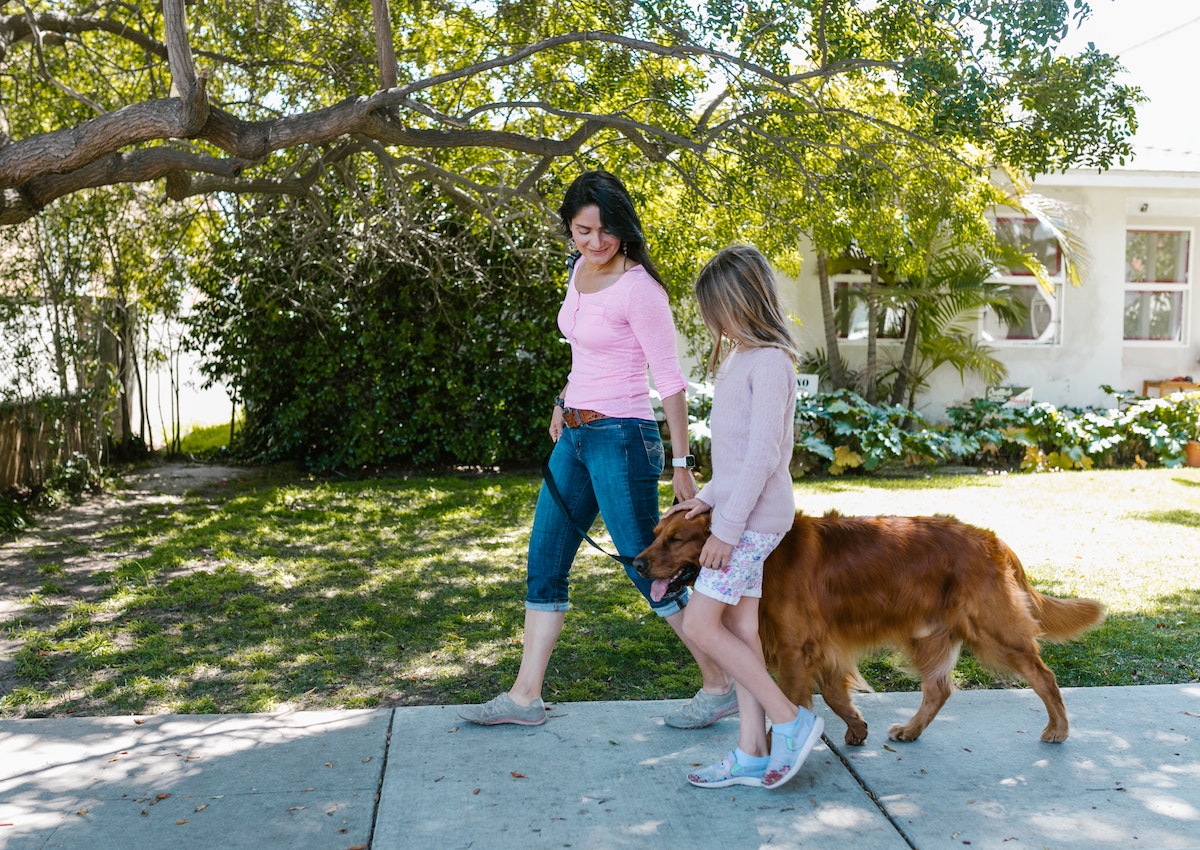
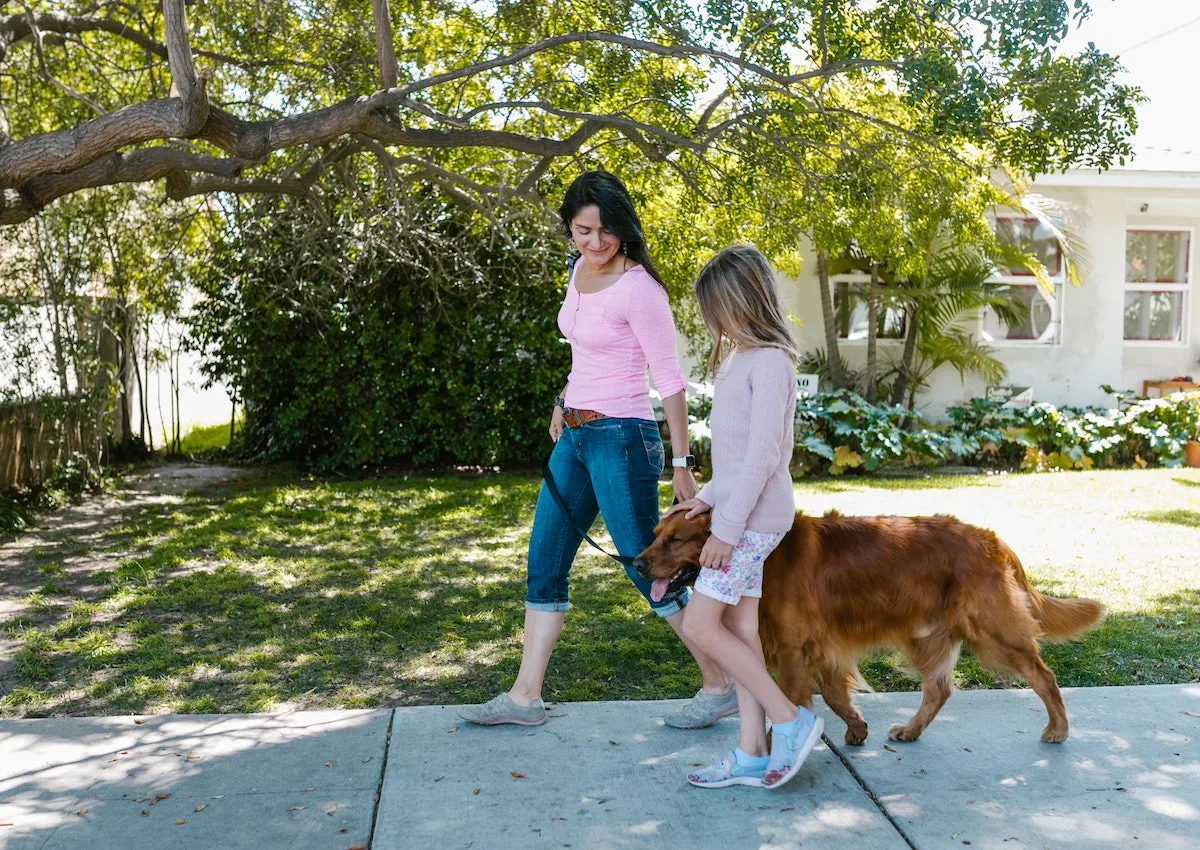
Long walks can overwhelm excitable dogs. Shorter, more frequent outings give them practice without overstimulation. Once they handle shorter sessions calmly, you can stretch the distance and see better control with less effort.
Add clicker training to the mix


A clicker helps your dog pinpoint exactly what you like. Each time they walk beside you without tension, click and follow with a treat. The clear signal builds understanding quickly and helps them repeat the right behavior.
Start practice indoors first


Indoor spaces are calmer and easier for your dog to focus in. Practice leash walking around your home or hallway before heading outside. Once they’re consistent indoors, the transition to outdoor walks feels smoother and less chaotic.
Use a head halter for strong pullers

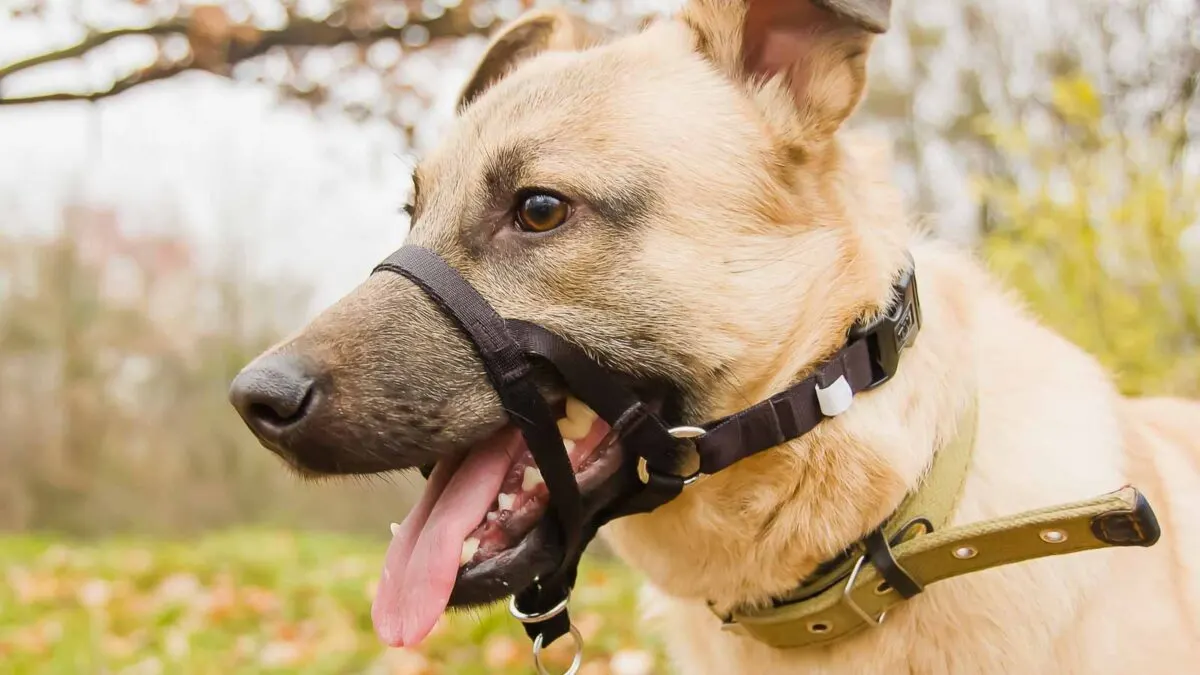
Some dogs are too powerful for standard collars. A head halter helps guide their head gently so they can’t pull with their full strength. It gives you control without discomfort and works well for large or determined dogs. They’ll likely hate this contraption which gets them listening quickly.
Ditch retractable leashes


Retractable leashes reward pulling by giving more slack. A standard fixed-length leash sets clear boundaries, helping your dog understand how close they should stay. It’s also safer and easier to control when they lunge or get distracted.
Tire their brain, not just their body


Pulling often comes from pent-up energy or boredom. Keep their mind active with puzzle toys, training sessions, or scent games at home. A mentally engaged dog is calmer on walks and less likely to drag you along the sidewalk.
10 Top Tips For Training Your Dog To Walk Off-Leash


Training your dog to walk off-leash can be incredibly rewarding, but it takes some patience and effort. The key is to ensure your dog listens to you even when distractions are high. From basic obedience to practicing recall, there are several steps to make off-leash walking safe and enjoyable. Here’s how you and your pup can master the skill.
Read it Here: 10 Top Tips For Training Your Dog To Walk Off-Leash
15 Dogs That Practically Train Themselves
Training a dog can be a challenge, but some breeds make it a whole lot easier. These dogs are smart and eager to please, making them quick learners. Whether you’re a first-time dog owner or just want a pup that’s easy to work with, these breeds will make you feel like a training pro. They range from playful companions to diligent workers, but each is an absolute dream to train and a well-trained pup makes life so much easier.
Read it Here: 15 Dogs That Practically Train Themselves