

Dogs move through the world with a kind of quiet confidence that’s can easily be overlooked. They don’t stop to think about what they’re doing or second guess their reactions. A lot of what comes naturally to them is something people spend years trying to learn or improve. You see it in the way they read a room, find their way around, or respond to subtle changes we miss entirely. None of it feels forced or practiced. It’s just instinct at work.


Use their sense of smell to understand the world


Dogs experience the world nose first. From the moment they’re born, scent tells them who’s been there, what’s nearby, and what matters. They don’t need lessons or practice to do this well. Humans, on the other hand, rely heavily on sight and spend years learning how to interpret subtle environmental clues that dogs pick up instantly through smell alone.
Hear things we completely miss


Dogs tune into sounds that never even register for us. High pitched noises, distant movement, subtle changes in tone all land clearly on their radar. Humans often need technology or training to notice the same details. For dogs, it’s automatic. Their ears are built for it, and their brains know exactly what to do with the information.
Read body language without being taught


Dogs understand posture, movement, and energy in a way that feels effortless. They don’t need a class on social cues. A stiff stance, a turned head, or a change in pace tells them plenty. Humans usually have to learn these skills slowly and sometimes awkwardly through experience and missteps.
Navigate without getting lost


Dogs seem to carry an internal sense of direction that helps them move confidently through familiar and unfamiliar spaces. Whether following a scent trail or finding their way back home, they rely on instincts humans often lack. We depend on maps, phones, and signs to do the same thing.
Pick up on emotional shifts


Dogs notice emotional changes before words ever come into play. A shift in mood, stress level, or tone often shows up in their behavior right away. Humans usually miss these cues unless someone spells it out. Dogs don’t need explanations. They respond to what they feel.
Move their bodies with natural coordination


Running, turning, jumping, and adjusting speed comes naturally to dogs. Their bodies are built to respond quickly and efficiently. Humans usually need practice, conditioning, and repetition to develop similar coordination. Dogs start life already knowing how to move through it.
Track scents over long distances


Following a trail doesn’t require instructions for dogs. Their noses guide them step by step with impressive accuracy. This ability makes them invaluable in real world situations, but it also shows how deeply instinct drives their behavior. Humans can learn tracking, but it takes time and effort.
Form social bonds quickly


Dogs connect easily with people and other animals. Trust builds fast when they feel safe. Humans often need repeated interactions and shared experiences to reach the same level of comfort. Dogs don’t overthink it. They lean into connection naturally.
Stay alert to their surroundings


Dogs notice small changes like a new sound, a different scent, a slight shift in routine. Humans tend to tune out details unless they’re trained to stay aware. Dogs are observant without trying.
Protect what matters to them

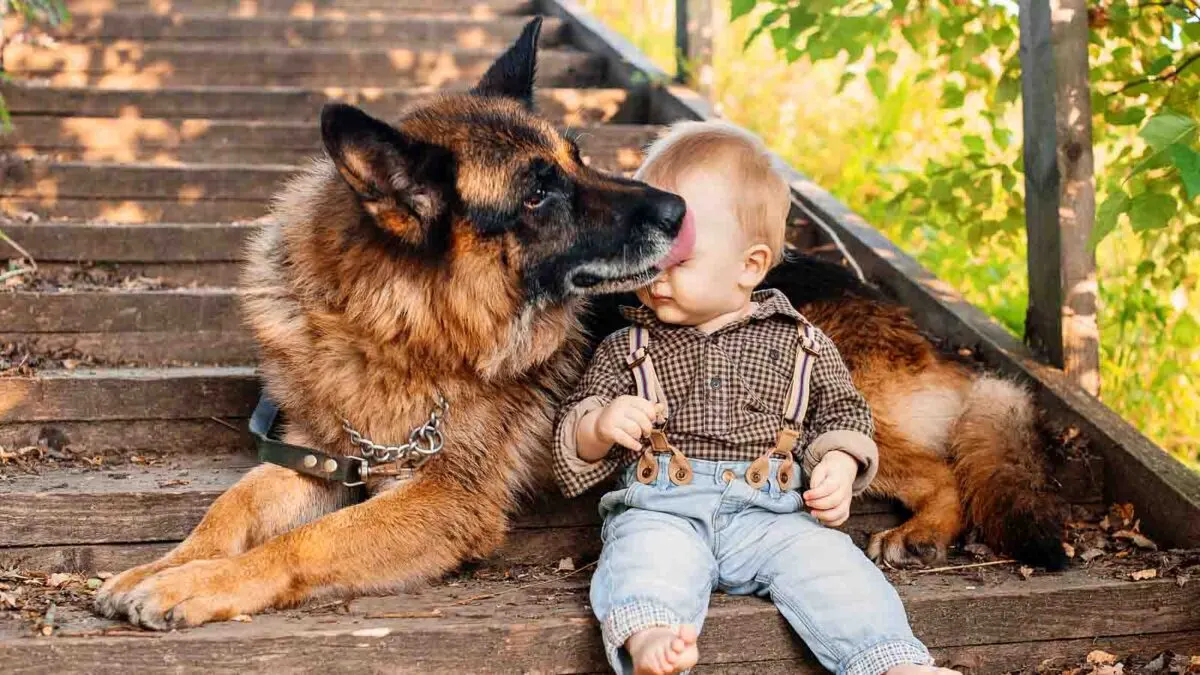
Guarding space, people, or resources comes naturally to many dogs. They don’t need instructions to know when something feels off. Humans often need training and conscious decision making to develop similar protective instincts.
Adjust to new situations quickly


Dogs are often more adaptable than we give them credit for. New homes, schedules, or environments can feel stressful at first, but many dogs settle in faster than people do. Humans usually need more time to adjust mentally and emotionally.
Live fully in the present


Dogs don’t replay yesterday or worry about tomorrow. They respond to what’s happening now. Humans spend years learning mindfulness and stress management techniques to get closer to that mindset. Dogs start there.
13 Breeds That Make Great Emotional Support Animals


Emotional support dogs are more than just pets—they’re companions that provide comfort and stability to people dealing with emotional or mental health challenges. These dogs aren’t trained to perform specific tasks like service dogs, but their presence alone can help reduce anxiety, depression, and stress. Getting an emotional support dog isn’t about teaching them tricks; it’s about having a reliable, loving presence by your side. All it takes is a letter from a licensed mental health professional to certify your dog as an emotional support animal. So, if you’re looking for a furry friend who’s always ready to lend a paw (or cuddle), these breeds are some of the best at offering unconditional emotional support.
Read it Here: 13 Breeds That Make Great Emotional Support Animals
13 Fun Ways to Strengthen Your Bond with Your Dog


Building a strong bond with your dog goes beyond the usual belly rubs and fetch games. It’s those everyday moments, the small things you do together, that really deepen the connection. Whether it’s a long walk at the end of a tough day or simply sitting together while you read, these little interactions remind your dog that they’re a huge part of your life. If you’re looking for a few more ways to make your bond even stronger, there are some fun, simple things you can try to show your dog just how much they mean to you.
Read it Here: 13 Fun Ways to Strengthen Your Bond with Your Dog
*Select images provided by Depositphotos.