


Most dog owners assume grooming is the easiest part of caring for a pet. A bath here, a brush there, maybe a nail trim when needed. The reality is grooming mistakes are a major reason dogs develop skin problems, discomfort, and even avoidable trips to the vet. The way you handle routine care has a direct impact on your dog’s health, which is why paying attention to the details matters more than many people realize.


Bathing them far too often


It’s easy to assume that more baths mean a cleaner, healthier dog, but the opposite usually happens. When you wash your dog too frequently, you strip away the natural oils that protect their skin and give their coat shine. The result is dryness, itching, and irritation that can make them uncomfortable and lead to scratching or hot spots. Dogs don’t need the same routine as people, so stretching out bath time actually keeps their skin and coat healthier in the long run.
Shaving breeds that rely on double coats


Owners often shave Huskies, Shepherds, or other double-coated dogs thinking it will keep them cooler, but it disrupts the natural system that regulates their temperature. That thick coat protects against heat as well as cold, and removing it exposes the skin to sunburn, overheating, and long-term coat damage. Many times the undercoat grows back unevenly or not at all. What seems like a shortcut for comfort can leave your dog more vulnerable than before.
Forgetting to keep their ears clean


Ears are one of the easiest parts of grooming to overlook, but ignoring them can cause big problems. Wax buildup, trapped moisture, and dirt create a perfect breeding ground for infections, especially in dogs with floppy or hairy ears. Once an infection sets in, it can be painful, smelly, and costly to treat. Gentle, regular cleaning not only prevents discomfort but also spares you repeated trips to the vet.
Reaching for human shampoo

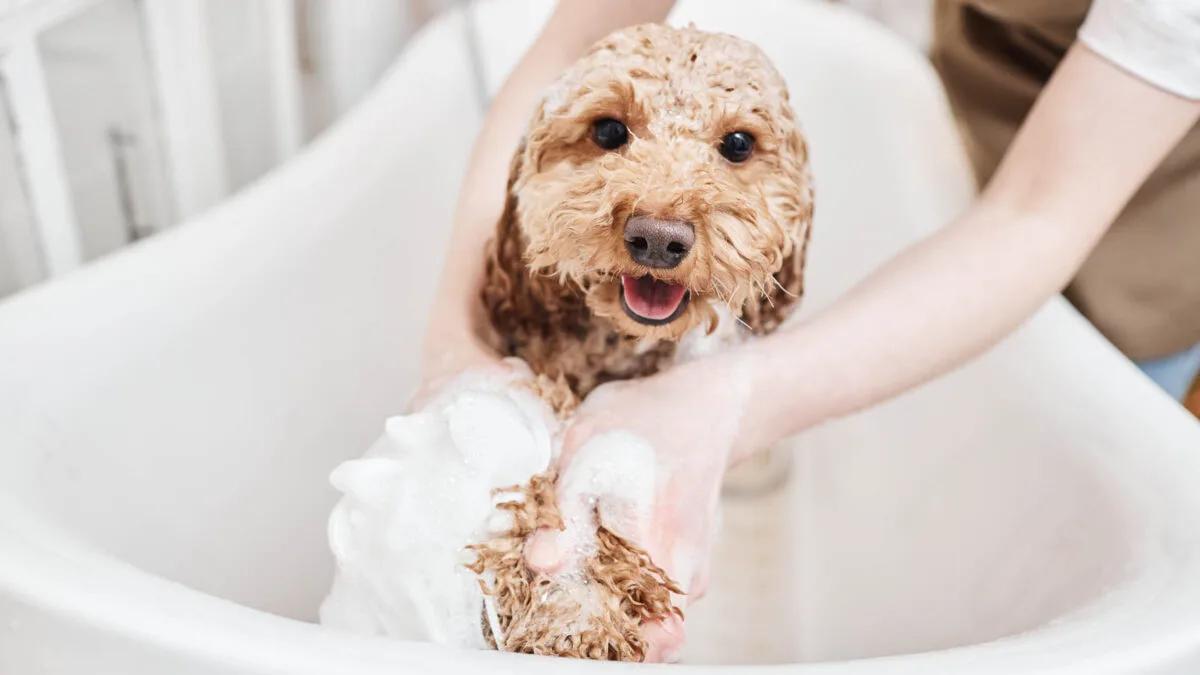
Even the mildest human shampoo is formulated for our skin, not a dog’s. Dogs have a different pH balance, and using the wrong product can throw it off completely. That imbalance often leads to dryness, itching, dandruff, or even allergic reactions that take time to resolve. A shampoo made specifically for dogs is designed to protect their skin and keep their coat in good condition. Sticking with the right products avoids turning bath time into a source of irritation.
Cutting nails too aggressively


Nail trimming sounds simple until you go too short. Hitting the quick, which is the sensitive part inside the nail, causes pain, bleeding, and makes your dog wary of future trims. Dark nails make it harder to see where to cut, and rushing only increases the chance of mistakes. Long nails affect posture and movement, so keeping them trimmed is important, but taking a cautious, gradual approach or letting a professional groomer handle it is often the safest way forward.
Brushing when the coat is wet


Running a brush through wet fur may seem like a good way to smooth it out after a bath, but it often does the opposite. Wet hair is weaker and more prone to breakage, which means you can cause mats or damage without realizing it. Brushing also pulls more on damp tangles, making the experience uncomfortable for your dog. Drying first, then using the right brush for their coat type, keeps grooming effective without harming their fur.
Skipping dental care altogether


Many owners don’t think of teeth as part of grooming, but ignoring them can cause serious issues. Plaque and tartar buildup lead to gum disease, bad breath, and pain, and poor dental health can even affect the heart and kidneys over time. Brushing a few times a week, offering safe dental chews, and scheduling cleanings with your vet helps keep your dog’s mouth healthy. Grooming isn’t complete if you’re only thinking about fur.
Not brushing on a regular basis


Even dogs that don’t shed much need consistent brushing. Without it, tangles quickly turn into mats that tug on the skin and cause discomfort. Mats can become so severe they require professional removal, which is stressful for both dog and owner. Regular brushing also stimulates the skin, spreads natural oils, and keeps the coat looking its best. Making brushing part of the weekly routine saves headaches and keeps your dog comfortable.
Blasting them with the hair dryer


Drying your dog too quickly with a hot human hair dryer can do more harm than good. The high heat can irritate or even burn their skin, and the loud noise often leaves dogs stressed and anxious. On top of that, blowing fur in every direction makes tangles more likely instead of smoothing them out. If you need to use a dryer, stick with one designed for pets that uses lower heat and stronger airflow to safely dry the coat without causing discomfort.
Using the wrong tools for the job


Not all brushes and combs are created equal, and grabbing whatever’s on hand can backfire. A brush that’s too harsh can scratch the skin or pull painfully at the coat, while the wrong style won’t remove loose hair or prevent mats. Each coat type whether it’s short, long, curly, or double needs specific tools to do the job right. Investing in the right equipment makes grooming quicker, less stressful, and far more effective.
These 15 Dog Breeds Are A Grooming Nightmare


Some dogs need a lot more grooming than others, and owning one can feel like a full-time job. If you’re not ready to spend hours brushing, trimming, and bathing, these breeds might not be for you. Here’s a look at the dog breeds that require serious maintenance to keep their coats looking their best.
Read it Here: These 15 Dog Breeds Are A Grooming Nightmare
12 Dog Grooming Hacks Every Owner Should Know


Grooming your dog doesn’t have to be a hassle. With a few clever tricks up your sleeve, you can make the process smoother and more enjoyable for both you and your pet. Keeping your dog clean and well-groomed is essential for their health and happiness, and these hacks will help you stay on top of it instead of dreading every second.
Read it Here: 12 Dog Grooming Hacks Every Owner Should Know