


Some dog breeds get more hype than they deserve. People fall for the looks, the trends, or the reputation without knowing what really comes with the package. A lot of these dogs are harder to train, tougher to care for, or come with nonstop health issues that catch owners off guard. Just because a breed is popular doesn’t mean it fits most homes. Experts see the same mistakes over and over, and these breeds tend to top the list.


Chihuahua


Chihuahuas are often seen as low-maintenance lap dogs because of their size, but many owners underestimate how intense and demanding they can be. They are highly alert, prone to barking at nearly anything, and can develop a strong attachment to one person, making them defensive or snappy with others. Their bold attitude requires structure and early socialization, and their small size makes them more vulnerable to injury, especially in homes with kids or larger pets.
Siberian Husky


Huskies are striking, but their beauty often overshadows how difficult they are to manage. Bred for endurance and pulling sleds over long distances, they have endless energy and get bored easily. That boredom usually turns into escape attempts, howling, or destruction. They also have a stubborn streak and don’t respond well to novice training approaches. Without rigorous daily exercise and mental challenges, they become overwhelming for most households.
Dalmatian


Dalmatians gained popularity thanks to the movies, but many people adopt them without understanding their real needs. They’re highly active and intelligent but also headstrong and sensitive. Poor socialization and insufficient activity can lead to aggression or anxiety. They’re also one of the more genetically at-risk breeds, with common issues including deafness, skin allergies, and urinary stones, which require ongoing medical care and dietary adjustments.
Bulldog


The Bulldog’s squished face and slow-moving charm come at a serious cost. This breed struggles with chronic respiratory issues, skin infections, and joint problems that often start early in life. Many need surgery just to breathe comfortably. Their sedentary nature makes them prone to obesity, which only makes their health issues worse. They can be sweet and affectionate, but they require far more medical care than most new owners anticipate.
German Shepherd


German Shepherds are one of the most intelligent and versatile breeds, but they’re often placed in homes that can’t meet their needs. They require a strong handler, early training, and consistent structure. Without these, they can become reactive, fearful, or aggressive. Their protective instincts also need careful management to prevent territorial behavior. Add in a high risk for hip dysplasia and degenerative myelopathy, and they become a very high-commitment breed.
Pug


Pugs are charming, funny, and lovable, but their looks come with major health concerns. Their short noses lead to chronic breathing problems, and their prominent eyes are vulnerable to injury and infections. Heat intolerance is a serious issue, and they often require controlled environments just to stay comfortable. They also snore, snort, and can suffer from joint and spine problems as they age. Cute as they are, they’re not built for easy, long-term care.
Border Collie
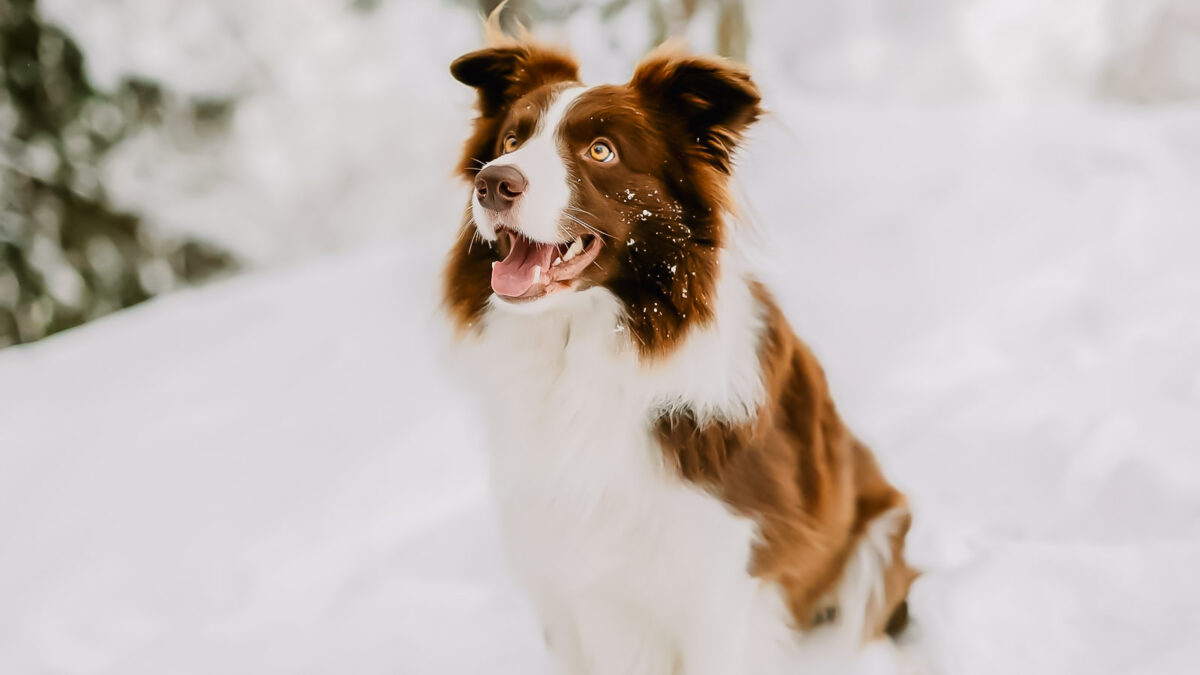

Border Collies are incredibly smart and agile, but that brainpower comes with a price. They were bred to herd sheep all day, which means they need near-constant mental and physical engagement. Without a job to do or tasks to learn, they quickly become anxious, destructive, or obsessive. These dogs often outpace even active owners and can develop compulsive behaviors like chasing shadows or nipping at heels.
Shih Tzu


Shih Tzus are often mistaken as low-effort lap dogs, but their grooming needs alone are a full-time job. Their long, dense coat mats easily and requires daily brushing or regular professional grooming. On top of that, they’re prone to dental issues, respiratory problems, and eye conditions. While they’re generally friendly and affectionate, they can also be stubborn and hard to house-train, which surprises many first-time owners.
Beagle


Beagles are known for being friendly and good with families, but their instincts as scent hounds make them harder to manage than people expect. They’re ruled by their noses and will follow a scent trail with zero regard for recall commands or boundaries. This trait makes off-leash play a gamble. They also tend to bark or bay frequently and can become destructive when bored or left alone too long. Their independent streak makes training a slow process.
French Bulldog
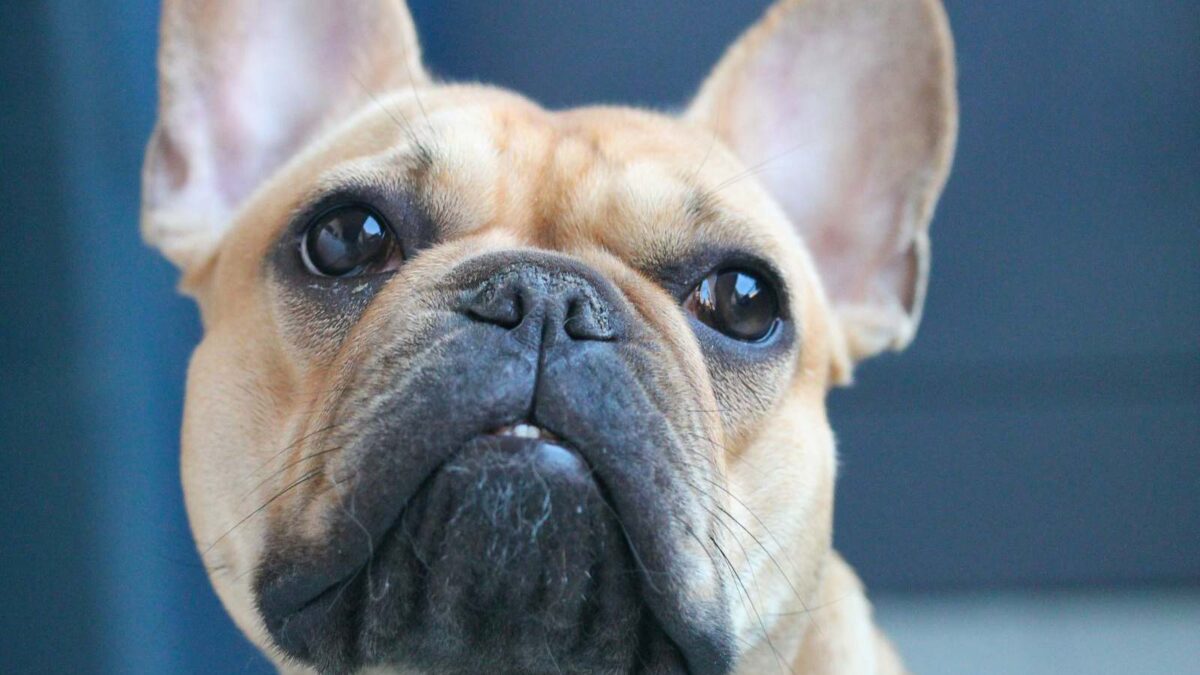

Frenchies are one of the most in-demand breeds, but they also top the charts for health issues. Their flat faces lead to breathing difficulties that often require surgery. They’re prone to overheating, skin infections, spinal disorders, and digestive problems. Most cannot give birth naturally and require C-sections. Despite their affectionate nature and small size, they come with high vet bills and limited physical capability. Trendy as they are, they are not easy-care pets.
Yorkshire Terrier


Yorkies may be small and portable, but they are not low-maintenance. Their long, silky coat requires constant grooming if left untrimmed. They can be yappy, anxious, and defensive with strangers, especially if not socialized properly. Yorkies are also prone to dental disease, tracheal collapse, and fragile bones. Their bold attitude makes them seem fearless, but that can easily turn into nuisance behavior without structure and training.
Cocker Spaniel


Cocker Spaniels are sweet but sensitive. Their floppy ears are adorable but create the perfect environment for chronic ear infections, which need regular vet visits and cleanings. Their long, wavy coats tangle easily and need professional grooming. They’re emotionally reactive, which means they don’t always handle change or stress well. Without gentle, consistent training, they can develop anxiety or behavioral issues that are tough to manage.
Australian Shepherd

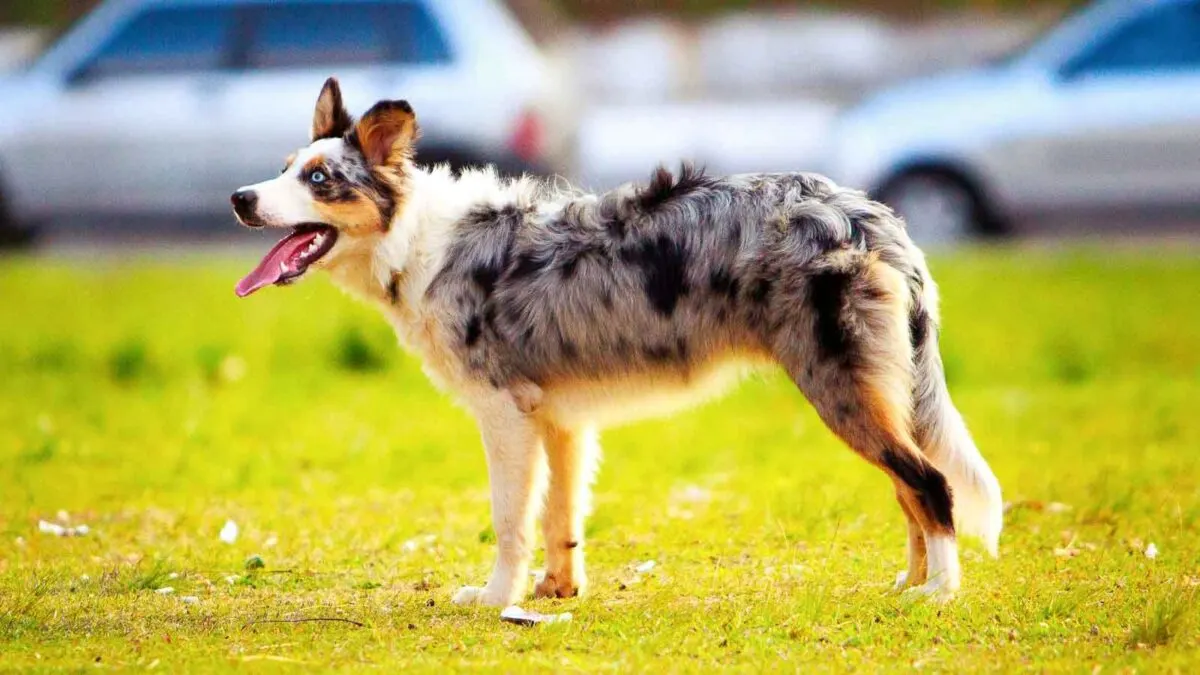
Aussies are beautiful and intelligent, but their energy level is often too much for casual dog owners. They need long daily workouts and complex tasks to stay balanced. If you don’t give them something productive to do, they’ll make their own job—which usually involves herding kids, chewing furniture, or barking nonstop. They’re also prone to separation anxiety and become destructive if left alone for too long.
Goldendoodle


Goldendoodles are marketed as easygoing and hypoallergenic, but they’re not as low-maintenance as people assume. Their coats vary and often need regular grooming to prevent painful matting. Many are high-energy and inherit the drive of their Poodle and Golden Retriever parents, which means they need more training and exercise than most owners anticipate. Their popularity has also led to irresponsible breeding, which can result in temperament and health problems.
Labradoodle
Labradoodles face many of the same challenges as Goldendoodles. They’re smart, social, and energetic, but also come with unpredictable coats and intense grooming needs. Many need daily brushing and professional trims to avoid matting. They can be excitable and stubborn, which requires consistent training and a solid routine. Without it, their enthusiasm can easily become overwhelming.
The 11 Friendliest Dog Breeds To Steal Your Heart


They’re called man’s best friend, but some dog breeds are friendlier than others. Find your next furry companion on this list of the 11 friendliest dog breeds who are playful, loyal, and ready to fill your heart with joy.
Read it Here: The 11 Friendliest Dog Breeds To Steal Your Heart
10 Doodle Dog Realities You Need to Know About These Popular Pets


Doodles may seem like the perfect solution for anyone who wants a fluffy, low-shedding, super smart dog, but there’s a lot more to these curly-coated pups than meets the eye. Sure, they’re adorable, but owning a Doodle comes with a few surprises you might not expect. Here’s the low on this incredibly variable “breed.”
Read it Here: 10 Doodle Dog Realities You Need to Know About These Popular Pets
*Select images provided by Depositphotos.
Lisa
Wednesday 28th of May 2025
Jack Russell Terriers would be a great addition to this list! They are ADORABLE, loving, and loyal...I've owned three...but they are HIGH energy, headstrong, intelligent to a fault, and hard to keep entertained and exercised. They are bred to work, and in the absence of activity, they will create their own entertainment, often with less-than-desirable consequences. Their prey drive is off the charts and often requires an assertive, experienced terrier owner to manage it well. Jack Russell Terriers (and Parson Russell Terriers, the show-dog version of JRTs) are definitely not for novice dog owners.