


Some dogs can nap through hours of quiet without a problem, but these breeds struggle the moment their person walks out the door. They form deep bonds and thrive on steady interaction, which makes long stretches of solitude hard to handle. Without regular companionship and activity, many become anxious or destructive as they wait for life to start again. Unless you work from home and have ample time to dedicate to these needy breeds, they’re likely to feel stressed and unhappy.


Labrador Retriever


Labradors thrive on constant connection with their people and do best when they are part of every daily activity. Known for their cheerful and adaptable nature, they bond deeply with the household and quickly notice when the house grows quiet. Long hours alone can lead to restless pacing and creative mischief, from shredded cushions to tipped-over trash cans. They stay happiest when given regular exercise, steady companionship, and meaningful tasks that keep their minds engaged.
Cavalier King Charles Spaniel


Cavaliers were bred for companionship, and that history is clear in how much they depend on human closeness. They often follow family members from room to room, content just to curl up on a lap or at someone’s feet. Leaving them alone for extended periods can bring on anxious barking, whining, or destructive habits as they wait for their favorite person to return. Daily affection, gentle routines, and plenty of attention help these affectionate little dogs feel secure and balanced.
Bichon Frise


The Bichon Frise loves social time and sees people as the center of every good day. These cheerful dogs light up around family and visitors, but their mood can quickly darken when the house empties out. Without company, they may bark persistently, dig at doorways, or sulk in protest. Keeping a Bichon content means offering interactive play, short training sessions, and opportunities to be with people as much as possible, ensuring their lively spirit stays positive and relaxed.
Border Collie


Border Collies are celebrated for intelligence and drive, qualities that also make solitude especially difficult. They crave mental and physical challenges, and without them their boundless energy can turn into chaos. Hours spent alone may result in chewed furniture, scattered belongings, or escape attempts as they look for something to do. Regular exercise, advanced training, and tasks like herding games or agility practice give these sharp thinkers the stimulation they need to stay calm and fulfilled.
French Bulldog
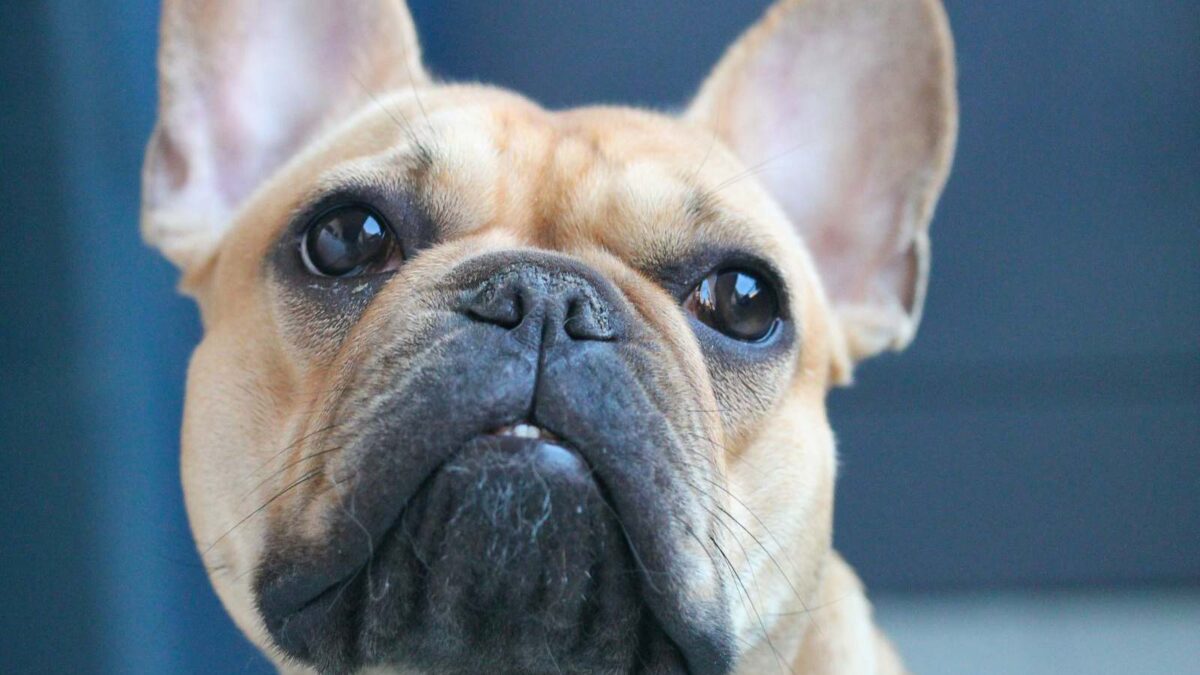

French Bulldogs bring an easygoing charm to daily life, but emotionally they are anything but independent. They prefer to stay close to their favorite people, lounging nearby or following quietly from room to room. Being left behind can trigger anxious behaviors like whining, scratching at doors, or sulking in a favorite spot. To keep a Frenchie happy, plan for shared downtime and short absences, and offer comforting routines so they feel safe even when the house grows quiet.
Chihuahua


Chihuahuas form deep bonds with their chosen person and often see that relationship as their whole world. They like to be involved in every part of the day, from morning routines to evening relaxation. Long stretches alone can bring on nervous barking or pacing as they search for comfort and reassurance. Building their confidence with gentle training and creating cozy, familiar spaces can help, but they remain happiest when they can stay close to their human companion.
Australian Shepherd

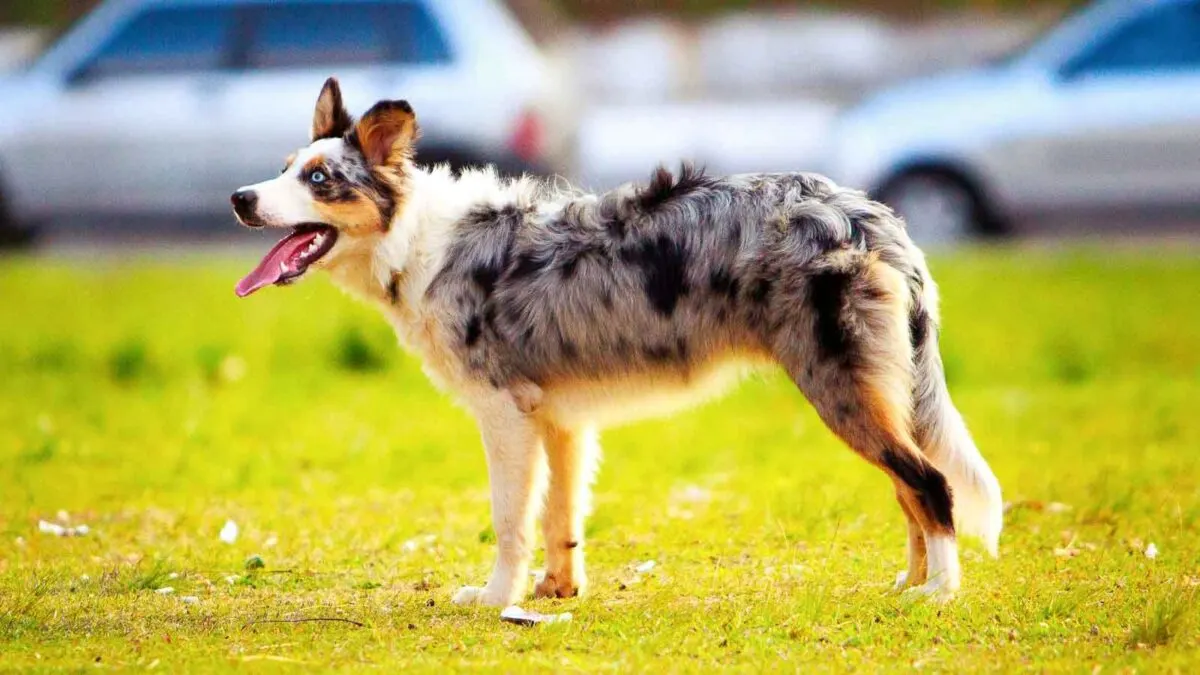
Australian Shepherds are energetic problem-solvers with a strong need for purpose and partnership. They thrive when they have a job to do and people to work alongside. When left without company, their active minds and athletic bodies can turn that drive inward, leading to chewed furniture, overturned bins, or frantic attempts to stay busy. Consistent exercise, structured play, and time with their family help channel their intelligence and affection into positive daily routines.
Pomeranian


Pomeranians may be tiny, but their attachment to loved ones is anything but small. They enjoy being in the middle of household activity and expect to be included in everything from quick errands to quiet evenings. When left on their own, they can become vocal or destructive, expressing their frustration with barking or scattered toys. Keeping a Pomeranian content means frequent interaction, engaging toys, and plenty of lap time so they know they remain part of the family story.
Vizsla


Often called “velcro dogs,” Vizslas live for close contact with their people. They are happiest when leaning against a leg or resting their head on an arm and are quick to notice even brief absences. Time alone can lead to anxious pacing, whining, or unwanted chewing as they wait for their family to return. Long walks, challenging games, and an active household keep them fulfilled, but true contentment for a Vizsla always comes from constant human companionship.
Italian Greyhound


Italian Greyhounds carry themselves with elegant grace, yet their hearts are tied closely to their families. They bond so deeply that even short separations can feel overwhelming. When left alone they may whimper, scratch, or search anxiously from room to room, convinced that something is wrong. Gentle training, soft bedding in familiar spaces, and regular quality time help ease their worry, but these delicate dogs remain at their best when they can stay close to the people they love.
12 Dog Breeds That Shouldn’t Be Left Alone for Long Periods


Leaving your dog at home alone can be stressful for both of you, but for some breeds, it’s more than just a minor inconvenience. These dogs can experience severe anxiety, destructive behaviors, and emotional distress when left without companionship for extended periods. If you’re away from home for long periods of time, it’s crucial to choose a breed that can handle solitude. Here are some that are probably best to avoid.
Read it Here: 12 Dog Breeds That Shouldn’t Be Left Alone for Long Periods
10 Tips For Managing Your Dog’s Separation Anxiety


If your dog gets anxious when you leave, you’re not alone. Many pet owners face the challenge of managing their dog’s separation anxiety. It can be tough seeing your best friend distressed, but there are effective ways to help them cope. Let’s walk through some practical tips to ease your dog’s anxiety and make your departures less stressful for both of you.
Read it Here: 10 Tips For Managing Your Dog’s Separation Anxiety
*Select images provided by Depositphotos.