


Choosing the right dog breed is more than just picking the cutest one. Some popular breeds come with serious health issues that can lead to high vet bills and a lot of heartbreak. Before you decide on your next pet, check out these lovable dog breeds unfortunately known for their health problems. Being informed can help you make a better choice for a healthy, happy companion.


Bulldog


Bulldogs are adorable with their wrinkled faces and stocky builds, but they often face respiratory issues due to their flat faces, which can lead to breathing difficulties. They are also prone to skin infections in their folds and joint problems such as hip dysplasia, making them high-maintenance in terms of health.
Pug


Pugs are lovable and funny, known for their playful personalities, but their squished faces can lead to significant breathing problems, especially in hot weather. They also commonly suffer from eye issues like corneal ulcers and obesity, requiring a careful diet and regular check-ups to stay healthy.
German Shepherd


German Shepherds are intelligent and loyal, making them excellent working dogs, but they are prone to hip dysplasia and other joint issues. They also have a higher risk of developing degenerative myelopathy, a disease that affects the spinal cord and leads to mobility issues, requiring careful monitoring and early intervention.
Dachshund


With their long bodies and short legs, Dachshunds are incredibly cute but prone to back problems, especially intervertebral disc disease (IVDD). They need careful handling to prevent injuries, and their owners must be vigilant about maintaining a healthy weight to reduce strain on their spine.
Boxer


Boxers are energetic and fun, always ready for a game, but they are susceptible to heart conditions like cardiomyopathy and certain types of cancer, such as lymphoma and mast cell tumors. Their short snouts can also lead to breathing difficulties, especially during exercise or in hot weather.
Great Dane


These gentle giants are prone to a condition called bloat (gastric dilatation-volvulus), which can be life-threatening and requires immediate veterinary attention. They also often suffer from hip dysplasia and heart issues, making regular health checks and a careful diet crucial for their well-being.
Cocker Spaniel


Cocker Spaniels are sweet and affectionate, known for their beautiful, silky coats, but they can suffer from chronic ear infections due to their floppy ears. They are also prone to eye problems like cataracts and glaucoma, requiring regular grooming and veterinary care to keep these issues in check.
Rottweiler

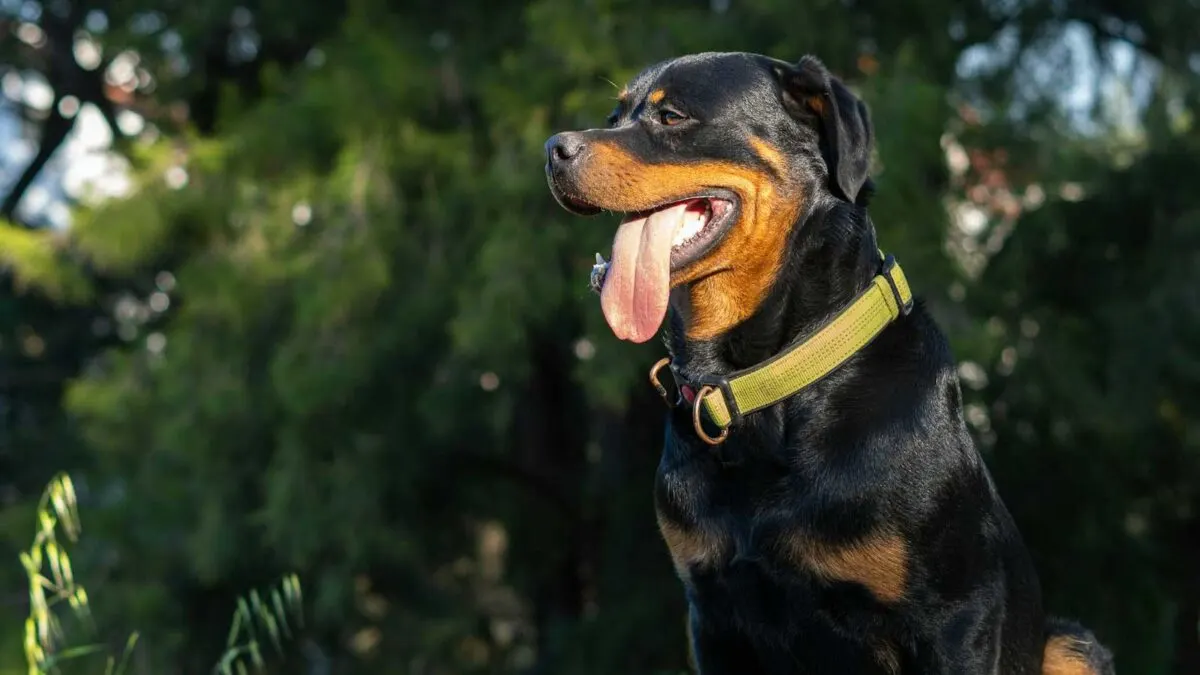
Rottweilers are strong and confident dogs, but they are prone to joint problems such as hip and elbow dysplasia. They also have a higher risk of developing bone cancer and heart issues, necessitating regular health screenings and a balanced diet to maintain their health.
Cavalier King Charles Spaniel


These small, affectionate dogs are known for their loving nature, but they are prone to heart problems, particularly mitral valve disease, which can lead to heart failure. They also often suffer from syringomyelia, a painful condition affecting the brain and spine.
Doberman Pinscher


Dobermans are sleek and powerful, but they are prone to heart issues like dilated cardiomyopathy, which can lead to heart failure. They also have a higher risk of developing Wobbler syndrome, a condition affecting the cervical spine, causing neck pain and mobility issues.
Shar Pei


Shar Peis are distinctive with their wrinkled skin, but those wrinkles can lead to frequent skin infections. They are also prone to a condition called entropion, where the eyelids roll inward, causing irritation and damage to the eyes, requiring regular veterinary care and sometimes surgery.
Basset Hound


Basset Hounds are laid-back and lovable, but their long ears make them prone to ear infections. Their short legs and long bodies also make them susceptible to back problems and obesity, necessitating a balanced diet and regular exercise to keep them healthy.
Irish Wolfhound


These gentle giants are known for their friendly nature, but they have a short lifespan and are prone to heart conditions such as dilated cardiomyopathy and bone cancer. Their large size also makes them susceptible to joint issues like hip dysplasia, requiring careful management and regular health checks.
Can I Walk My Dog 30 Minutes After Eating?


The age-old advice of waiting before swimming after a meal has been ingrained in our minds, but what about walking our furry friends? Many dog owners wonder if the same caution applies to their pets.
Read it Here: Can I Walk My Dog 30 Minutes After Eating?
How To Cut Black Dog Nails

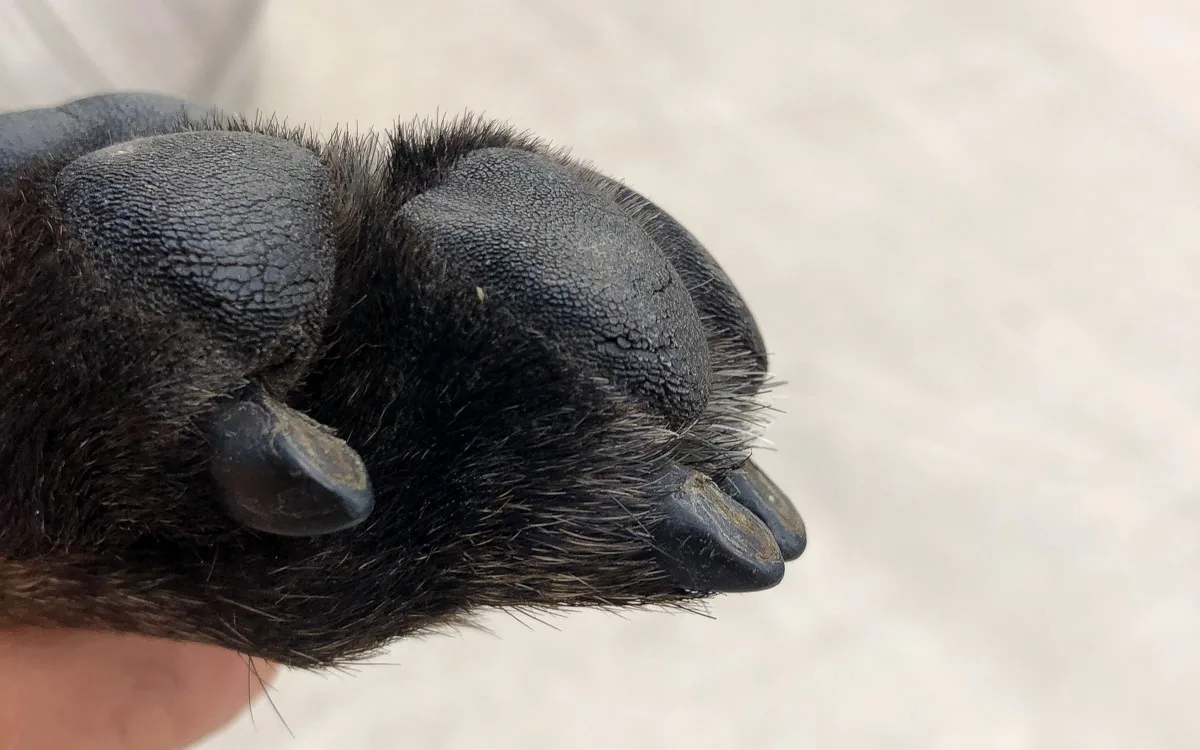
Trimming your furry friend’s nails can be a daunting task, especially when they have dark nails. The fear of cutting too close and causing pain can be nerve-wracking. But with the right approach and some expert guidance, you can confidently and safely trim your dog’s black nails, ensuring their comfort and paw health.
Read it Here: How To Cut Black Dog Nails
*Select images provided by Depositphotos.