

Too many people see a striking dog and forget what that dog was actually bred to do. Working breeds built for guarding, herding, or hunting are often pulled into home life without enough thought about what they need to stay balanced. A big yard and a few walks a day are not enough for dogs who were designed to make their own decisions and stay active for hours. These dogs are not wired to sit quietly on the couch or patiently wait for someone to toss a ball once in a while. When their instincts get ignored, trouble always follows. These are the breeds people keep trying to turn into pets even though they were never meant for that kind of life.


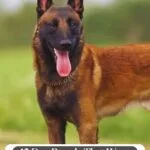
Belgian Malinois


Bred for military and police work, the Belgian Malinois is a nonstop working machine. They need complex tasks, intense physical activity, and highly structured training. Without a job, they become anxious, destructive, and dangerously reactive. A suburban backyard and daily walk will never be enough for this breed.
Alaskan Malamute


Malamutes were bred to haul heavy sleds across frozen landscapes for hours. They are independent, stubborn, and have an intense prey drive. These dogs are hardwired for work and endurance, not for lounging on the couch. Most homes cannot handle the strength, stamina, and mental toughness it takes to live peacefully with a Malamute.
Border Collie


Border Collies are considered the smartest dog breed, but that intelligence comes at a cost. They need constant stimulation, challenging work, and an outlet for their insane energy. If left under-stimulated, they develop neurotic behaviors like obsessive herding or destructive chewing. Boredom is their worst enemy, and most homes cannot keep up.
Kangal


Kangals are ancient livestock guardians from Turkey, bred to defend flocks against wolves and bears. They are independent thinkers who make decisions on their own. Their natural suspicion of strangers and sheer strength make them a liability in a casual pet home. They need land, serious boundaries, and a real job to stay balanced.
Fila Brasileiro


Coonhounds were bred for endurance and scent tracking across rugged terrain for hours or days at a time. They are loud, stubborn, and relentless when on a scent. Their high drive for tracking and tendency to bay nonstop when bored make them a poor fit for neighborhood life. They were made for hunting, not for hanging out quietly inside.
Tibetan Mastiff


Originally bred to guard monasteries and villages in the Himalayas, Tibetan Mastiffs are fiercely independent and highly territorial. They think for themselves and have little interest in following commands. They guard by instinct and do not easily accept strangers. Most homes are too small, too social, and too busy for their natural temperament.
Bluetick Coonhound


Another rugged hunting breed, the Bluetick Coonhound thrives when tracking scent over rough country. They have powerful noses and a one-track mind that overrides obedience. Their howling, endless energy, and stubbornness make them difficult to manage without serious time dedicated to training and outdoor work.
Irish Wolfhound


As majestic as they are, Irish Wolfhounds were bred for hunting wolves and big game, not lounging indoors. They need space, movement, and room to stretch their bodies and minds. Despite their calm demeanor, they require attentive care and room to roam that a typical suburban setup usually cannot offer.
Dogo Argentino


The Dogo Argentino was bred for big-game hunting and protection work. They are strong, fearless, and have a high prey drive. Without intense training, socialization, and clear leadership, they quickly become too much for the average owner. They need more purpose and structure than a typical pet lifestyle can provide.
Boerboel


Boerboels are powerful guard dogs developed to protect homesteads in South Africa. They are incredibly loyal but suspicious of strangers and protective to a fault. Without firm leadership and a working purpose, they become territorial and difficult to control. Apartment living and casual obedience classes are not enough for this breed.
Anatolian Shepherd


Bred to work alone protecting livestock across vast Turkish plains, Anatolian Shepherds are naturally independent and territorial. They do not thrive under micromanagement and often resist traditional obedience training. Their instinct to guard against anything unfamiliar makes them risky in busy neighborhoods or social homes.
Siberian Husky


Huskies are built for pulling sleds over long distances in freezing temperatures. They are packed with energy, fiercely independent, and notorious for escaping any enclosure that tries to contain them. Without constant exercise, structure, and supervision, they quickly create chaos in a home environment. A house pet lifestyle does not meet their basic needs.
12 Working Dog Breeds That Need A Task Or They’ll Invent One


Some dogs are fine with a casual walk and a nap on the couch. These dogs are not. They need a job, a schedule, and something to focus on, or they’ll improvise. That usually means chewing your furniture, digging a crater in the yard, or herding your guests like it’s their shift. They weren’t built for boredom, and they don’t hide it well. If you’re thinking about bringing one home, plan on giving them a task before they invent one.
Read it Here: 12 Working Dog Breeds That Need A Task Or They’ll Invent One
11 Dogs That Are Bred To Point Birds and Will Drive You Crazy If They Can’t


If you’ve ever owned a pointing dog, you know they live for one thing: pointing birds. And if they can’t, well, they’ll find something else to obsess over – like your shoes, the cat, or even dust bunnies. These breeds are the ultimate bird hunters, and their need to point is hardwired into their DNA. With their boundless energy and intense focus, these pups are both a joy and a handful!
Read it Here: 11 Dogs That Are Bred To Point Birds and Will Drive You Crazy If They Can’t
*Select images provided by Depositphotos.