

Ever wondered what your dog is trying to tell you with that wag of their tail or those perky ears? Dogs communicate volumes through their body language, but interpreting these signals isn’t always straightforward. We’re breaking down some of the common canine body language cues to help you understand your furry friend better. From tail tucks to eye contact, you’ll become fluent in speaking ‘dog’!


Tail Wagging


Tail wagging can convey a range of emotions. A relaxed wag usually signals happiness, a slow wag might show insecurity, and a stiff, rapid wag often indicates alertness or potential aggression.
Ears Position


The position of a dog’s ears can tell a lot about their mood. Ears forward usually mean interest or excitement, while ears laid back might indicate fear or submission.
Eye Contact


Direct eye contact can mean a threat from a dog, or it can signal trust when accompanied by a relaxed posture and soft eyes. Avoiding eye contact often means a dog is feeling anxious or submissive.
Body Posture


A dog’s body posture reveals their confidence level. A dog standing tall with a stiff posture may be asserting dominance, whereas a lowered body often shows submission or fear.
Mouth and Teeth


A relaxed open mouth can indicate a calm state, while bared teeth typically mean a dog feels threatened or defensive. Lip licking or yawning could indicate stress or anxiety.
Hackles Raised
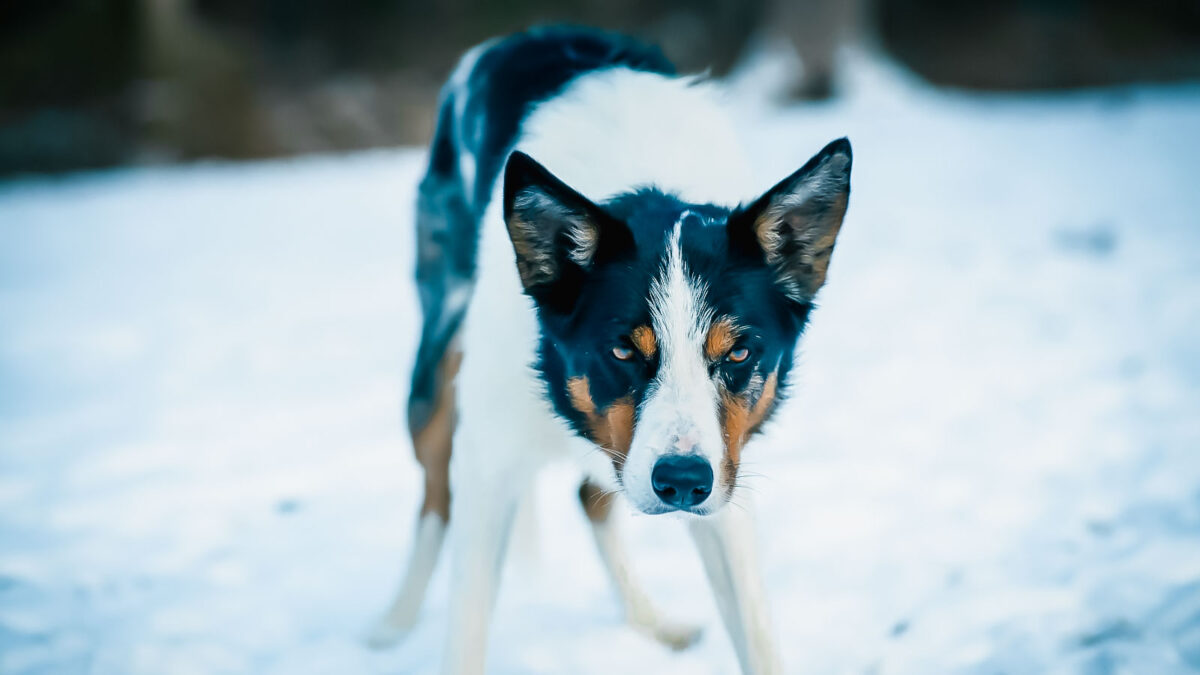

Raised hackles, the hair along a dog’s back, can be a sign of arousal due to excitement, fear, or aggression. It’s important to consider the context of the situation to interpret this signal accurately.
Tail Tucking

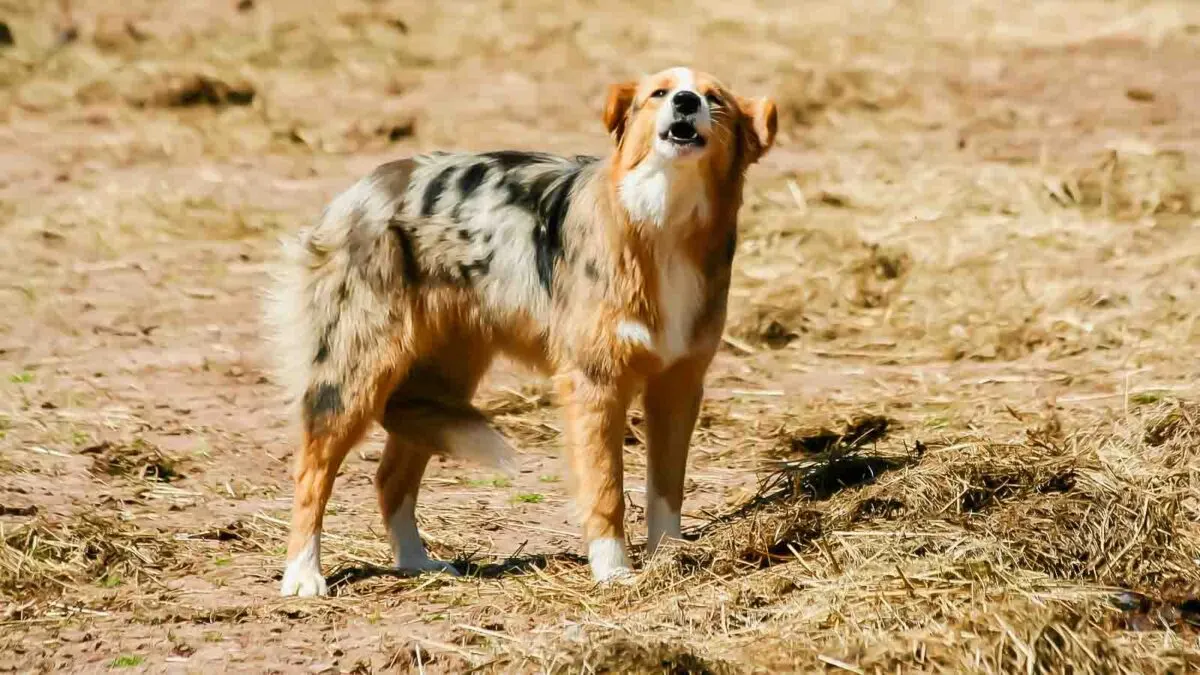
A tucked tail is a clear sign of fear or submission. It indicates that a dog is not feeling confident and is trying to appear smaller or less threatening.
Paw Lifting


Lifting a paw can be part of a dog’s normal behavior when pointing at something, but it can also indicate uncertainty or nervousness in a situation.
Sniffing
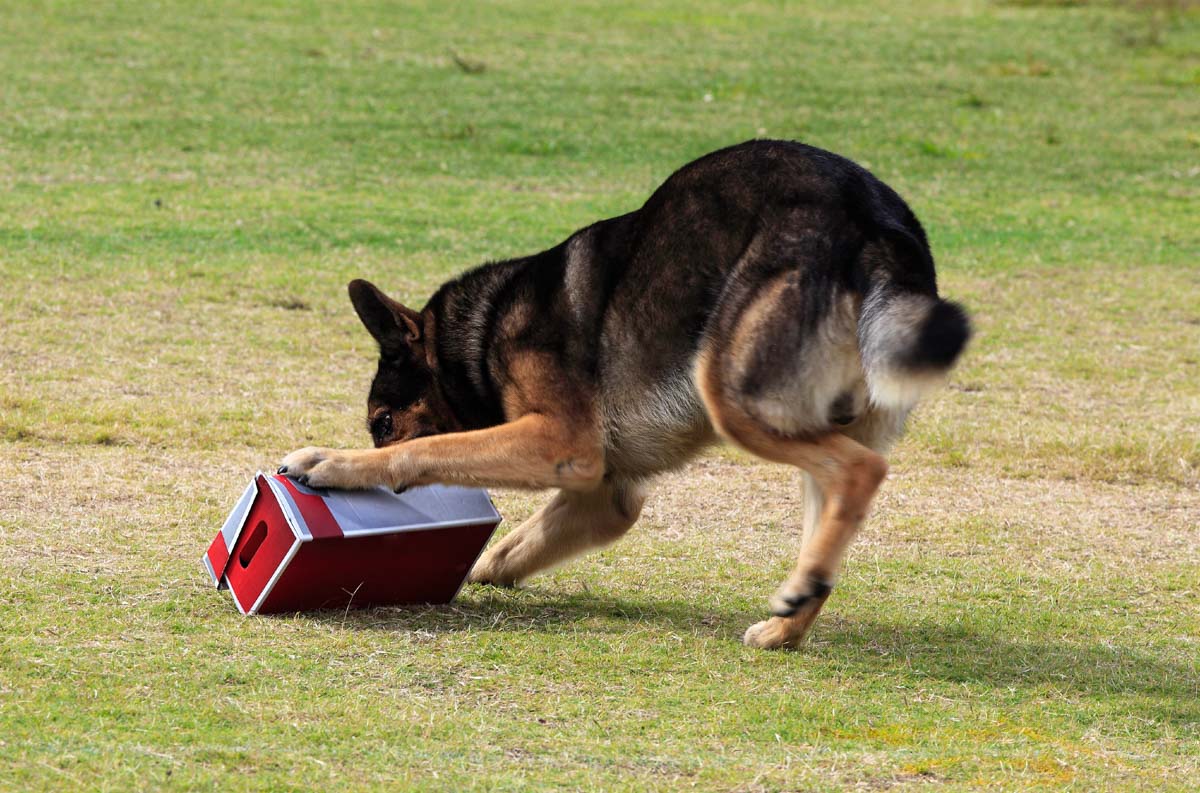

Sniffing the ground excessively can be a sign that a dog is trying to avoid a more stressful situation by engaging in a calming or distracting activity.
Freezing


A dog that suddenly freezes during interaction is showing intense focus and might either attack or retreat, depending on what they perceive as a threat or challenge.
Do Dogs Sleep With Their Eyes Open?


Sleep is a natural and essential behavior for all animals, including our furry friends. It’s during sleep that the body can repair itself, memories can be consolidated, and energy levels can be replenished. However, the way animals sleep can differ greatly from species to species. A commonly asked question is whether dogs can sleep with their eyes open. This intriguing question deserves exploration, delving into the realms of canine behavior, anatomy and sleep patterns.
Read it Here: Do Dogs Sleep With Their Eyes Open?
Why Do Dogs Sleep At The Foot Of The Bed?
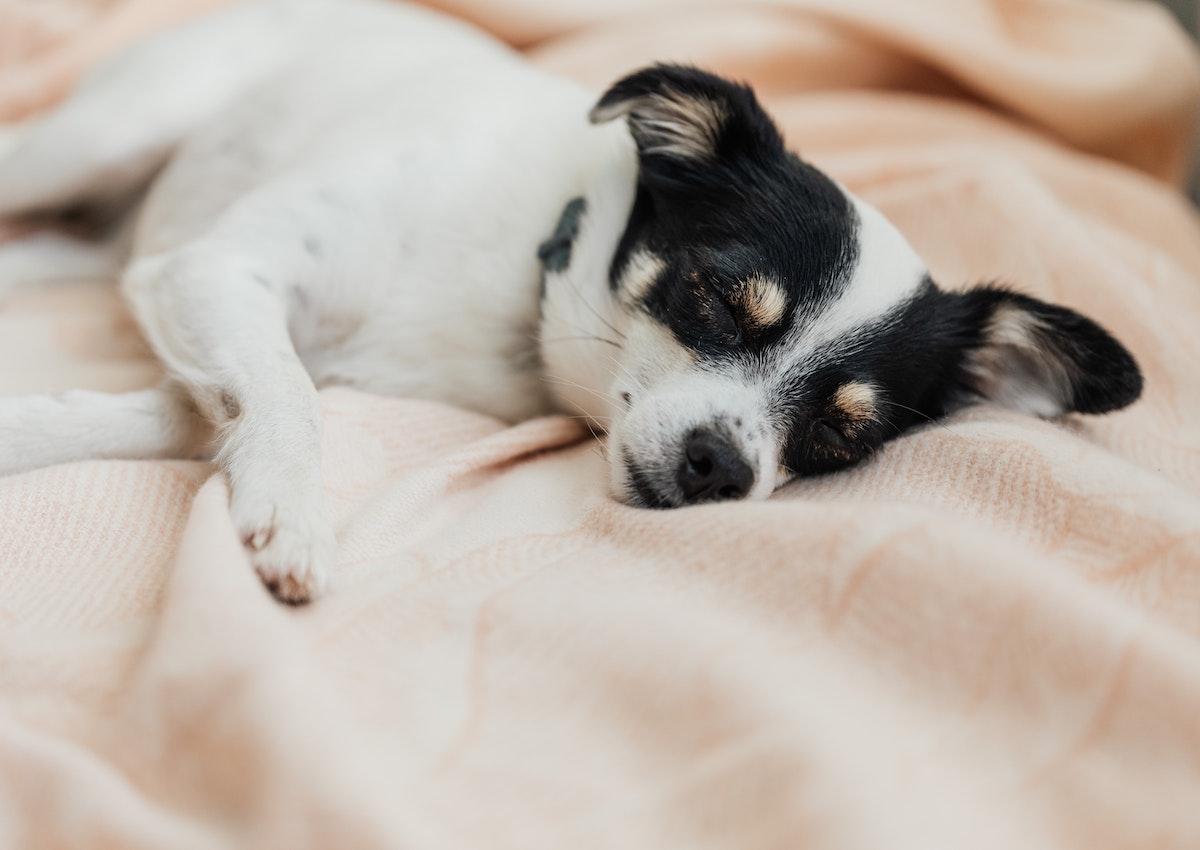

“Why do dogs sleep at the foot of the bed?” is a question that dog owners often wonder as our furry friends seem to squeeze out all the extra space making it so we can’t stretch out in comfort at night.
The mystery surrounding this dog sleep behavior is intriguing for pet parents and dog behaviorists. We’ll look into the possible reasons behind why dogs like to rest at their owner’s feet and try to understand if there’s a psychological, instinctual or behavioral reasoning behind it.
Read it Here: Why Do Dogs Sleep At The Foot Of The Bed?