

People love to joke about how kids can be manipulative, but dogs take the cake without even trying. They know exactly how to shift a moment in their favor, and they do it with small moves that feel innocent until you realize how often you give in. Living with a dog shows you how easily they guide your attention, your schedule, and sometimes your entire mood. You think you’re running the house, but they’re usually the ones setting the tone.


They use soft eyes to shift your attention toward them


Dogs know how powerful eye contact can be, and they use it with surprising intention. A calm, gentle gaze is often their way of easing themselves into your focus when you’re busy. They wait for the moment you glance back, then hold your eyes just long enough for you to soften. That look creates an emotional pull that makes it easy to pause what you’re doing and give them what they hoped for, whether it’s affection or a change in routine.
They place a paw on you to draw you in


A paw on your leg or arm feels small, but it is a deliberate move that brings your attention back to them. Dogs learn quickly that this contact works because people naturally respond to touch. The moment you look down, they already have your full focus. It is their quiet way of saying they want company and they know you rarely ignore this kind of request.
They stare at your food to nudge your guilt


When a dog watches you eat, they are relying on the simple truth that humans struggle with being observed. They hold their gaze, stay still, and wait until you feel the pressure of sharing. This stare is not random. It is practiced over time, and dogs know that many owners eventually give in to the silent plea. They understand that patience often pays off.
They create excitement to push you toward activity


Dogs know how to build energy when they want movement. A rush of wiggles, spins, or bright body language pulls you into their enthusiasm. They use this tactic when they want playtime or a walk because they sense your mood and mirror it with extra intensity. Before long, their excitement becomes contagious and you find yourself giving them the activity they were hoping for.
They stretch and yawn to get you to settle down with them


A long stretch followed by a slow yawn often appears relaxed, but dogs use it strategically to shift the atmosphere. They sit nearby, repeat the motion, and wait for you to interpret it as a signal to wind down. It is a familiar routine that encourages you to sit, rest, or join them on the couch. They turn a simple gesture into an invitation for closeness.
They tilt their head to keep you engaged


A head tilt signals curiosity and pulls people in without effort. Dogs use it when they want you to keep talking, keep offering cues, or continue paying attention to them. The gesture makes them look focused and responsive, and humans naturally reward that with interaction. Dogs learn that this move keeps conversations going and keeps them at the center of it.
They place themselves in your lap to claim your full focus


Jumping into your lap is one of the most direct ways a dog ensures you cannot ignore them. The moment they settle their weight on you, you shift into their world. They know this brings instant closeness, whether you were ready for it or not. This position also gives them control over your attention because it requires you to adjust to them physically and emotionally.
They paw at doors to push you toward a response


Dogs learn that making noise with their paws creates a reaction faster than waiting quietly. Pawing at a door is their way of communicating a need without barking. They rely on the predictability of your response. Over time, this becomes a reliable method for them to guide your behavior and get you to move when they want something from the other side.
They use their “helpless look” to recruit your help


Dogs often present themselves as stuck, confused, or unable to reach a toy, even when they could try harder. They sit back and fix their eyes on you with a clear expectation. They know you will step in and solve the problem for them. Once you do, they get the interaction they were hoping for and sometimes spark a game they wanted to start.
They expose their belly to pull out your nurturing instinct


Rolling to their back appears vulnerable, and dogs know this encourages humans to respond with comfort or petting. They trust that this gesture feels meaningful to us, and they use it when they want connection. The more we reward it, the more they rely on it as a simple way to draw us closer without asking directly.
They give slow side glances to check your willingness
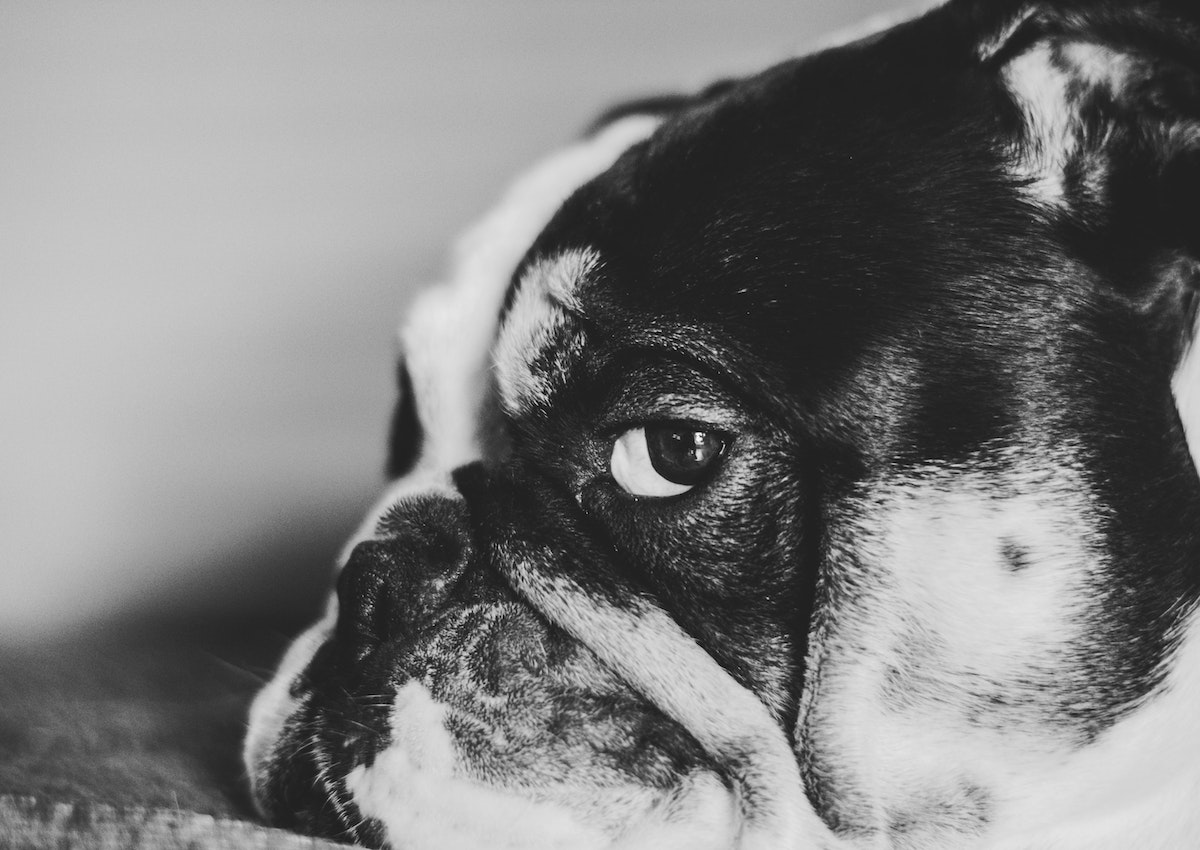

A quiet side-eye lets dogs monitor your mood without being too forward. They look your way briefly, wait to see if you react, then adjust their approach. It is a soft test to see if you are open to interacting, sharing food, or shifting your attention. This subtle tactic helps them read the room before making a bigger move.
They sigh loudly to influence your next step


A deep sigh grabs attention because it mimics the sound of someone feeling bored or restless. Dogs use it to create a moment where you check on them and reconsider what they might need. This sound is intentional, not random. It works as a quiet nudge that often leads to petting, playtime, or simply more engagement.
They lean their weight into you to guide your focus


Leaning creates physical closeness and encourages you to stop whatever you’re doing to acknowledge them. Dogs use their body weight to draw your attention down to them and keep it there. The moment they make contact, the rest of the room becomes less important. This tactic works because it is comforting, grounding, and hard to ignore.
10 Things Your Dog’s Wagging Tail Really Means

We’ve all heard it: “A wagging tail means a happy dog.” But if you think that’s always true, you’re in for a surprise. Your dog’s tail is like their secret language, and it doesn’t always mean they’re in the mood to play or cuddle. Sometimes that wag is more “stay back” than “come closer.” From anxious wiggles to dominant wags, here’s how to decode all the possibilities.
Read it Here: 10 Things Your Dog’s Wagging Tail Really Means
10 Dog Behaviors That Mean They’re Definitely Mad At You


If we’re being honest, no one knows if dogs are actually capable of being mad at us, but they sure do a great job of acting like it sometimes! Whether they’re giving you the cold shoulder or chewing on your favorite shoes, these little signs make it hard not to believe they’re holding a grudge. Sure, it’s all in good fun, but if your dog is doing any of these things, you might want to apologize—just in case.
Read it Here: 10 Dog Behaviors That Mean They’re Definitely Mad At You
*Select images provided by Depositphotos.