


Choosing a dog breed sounds easy—until you realize there are a million little things that can make or break the match. You might think, “I want the cute fluffy one,” but there’s more to it than a nice coat and puppy eyes. A dog’s personality, energy level, and quirks can totally clash with your lifestyle if you’re not paying attention. No one wants to discover their “perfect” breed comes with a daily hour of grooming or a workout schedule that would put a marathoner to shame. Here’s a look at some of the most common mistakes people make when choosing a breed, and how to dodge them so you actually end up with the dog of your dreams.


Not Considering Energy Levels


Picking a dog without thinking about its energy level is a fast track to regret. High-energy dogs need loads of exercise, while low-energy ones are cool with couch time. Match your dog’s energy with your lifestyle, or you’ll both end up frustrated.
Ignoring Size and Space Needs


It’s easy to think a big dog won’t fit in an apartment or a tiny one will be fine in any space, but it’s more about personality. Some big dogs are couch potatoes, and some small ones need tons of room to zoom. Size doesn’t tell the full story.
Choosing Based on Looks Alone


Falling for a cute face without thinking about personality or care needs? Big mistake. That adorable ball of fluff might have a stubborn streak or need endless grooming. Looks fade; personality quirks stick around.
Underestimating Grooming Needs


Those flowing locks or thick coats look amazing, but they don’t brush themselves. High-maintenance coats mean grooming bills or serious DIY time. If you’re not up for regular brushing, some breeds aren’t for you.
Ignoring Health Issues


Some breeds come with built-in vet bills thanks to genetic issues. Research what health problems are common in your chosen breed to avoid surprise expenses. It’s better to know what you’re signing up for.
Assuming All Dogs Love Kids


Not every dog breed is up for kid chaos. Some breeds are great with kids, while others need space. Make sure your chosen breed has the right temperament for a family, or things could get tense.
Forgetting to Check Life Expectancy


Different breeds have different lifespans. Some are here for a good time, not a long time, while others stick around into their teens. Know how long you’re committing before you bring them home.
Choosing a Breed Wrong for Your Climate


Thick coats and hot summers don’t mix, and thin coats don’t love the cold. Matching a dog’s coat and climate keeps them comfortable, so choose wisely or prepare for some serious temperature management.
Ignoring Allergies


If anyone in the family has allergies, this is huge. Some dogs are more allergenic, so hypoallergenic breeds might be the best bet. Otherwise, expect a lot of sneezing and maybe some regrets.
Skipping Over the Breed’s Instincts


Every breed has natural instincts, like herding, digging, or chasing. If you ignore these, you might end up frustrated when they start acting on them. Those instincts don’t just disappear because they’re house pets now.
Underestimating Training Challenges
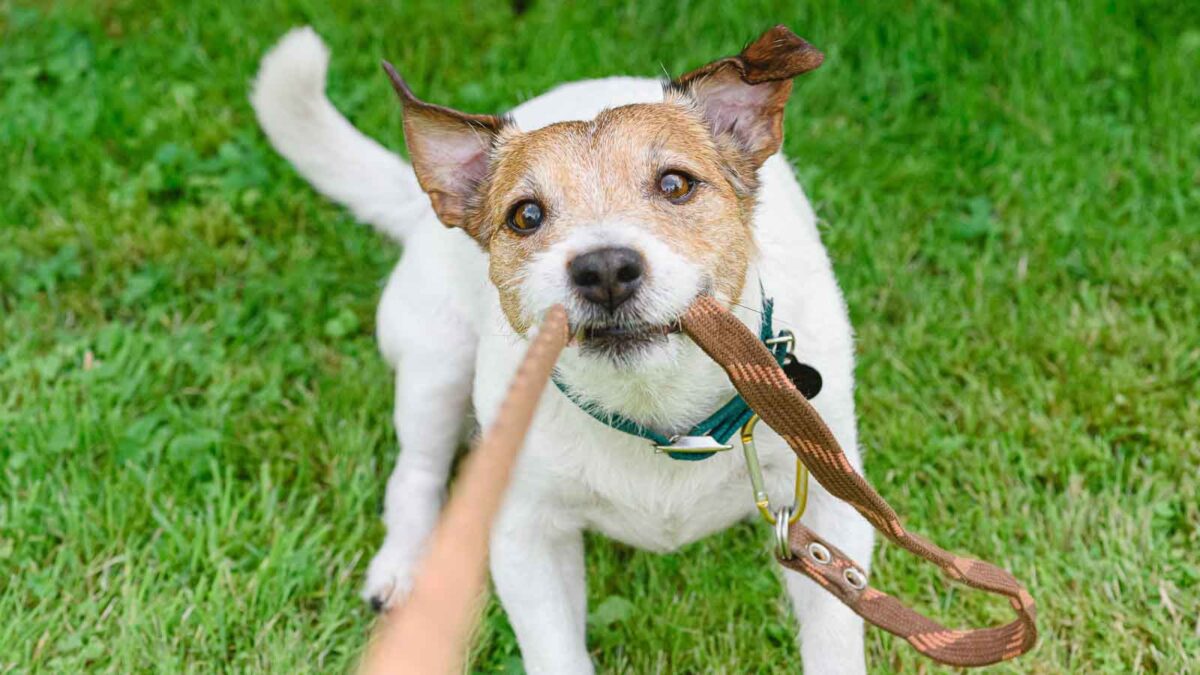

Some breeds are harder to train, period. If you’re a first-time dog owner, stick with easier breeds and skip the ones that need a pro-level trainer. Otherwise, you could be in for a lesson in stubbornness.
Picking a Trendy Breed


Just because a breed is “in” doesn’t mean it’s right for you. Trends fade, and so do puppy eyes when they turn into work. Choose a dog that fits your life, not just one that’s popular right now.
Thinking Small Dogs Are Easier


Tiny dog? Easy, right? Not always. Small dogs still need exercise, training, and attention. Thinking they’re less work can lead to big frustrations when they’re bouncing off the walls.
Ignoring Exercise Needs


Some dogs are built to run, others to chill. If you’re not matching their exercise needs with your own habits, expect some pent-up energy and probably a bit of destruction. Happy dogs are tired dogs!
Overlooking Breed Personality Quirks


Every breed has its quirks, from barkers to cuddlers to independent types. If you don’t research these traits, you might end up surprised when your new buddy’s personality doesn’t match your vibe.
Are You Guilty Of These 10 Dog Care Mistakes?


Owning a dog is rewarding, but it’s easy to slip into some bad habits that can affect your furry friend’s well-being. Many of us make mistakes without even realizing it, from overfeeding to neglecting daily dental care. This article sheds light on the common blunders dog owners unknowingly make. Read on to ensure you’re providing the best care for your canine companion.
Read it Here: Are You Guilty Of These 10 Dog Care Mistakes?
10 Dog Breeds Everyone Gets Wrong


It’s easy to fall for stereotypes, especially when it comes to dog breeds. But the truth is, many of the breeds we think we know have personalities and behaviors that are completely different from what’s commonly believed. In this article, we’re clearing the air on ten dog breeds that are often misunderstood. From the fiercely loyal Rottweiler to the laid-back Greyhound, your assumptions may be challenged and your heart won over by these surprising canines.
Read it Here: 10 Dog Breeds Everyone Gets Wrong
*Select images provided by Depositphotos.