


Getting a second dog sounds like the ultimate upgrade to life with pets, but the reality isn’t always as simple as double the love. What feels like a dream at first can quickly turn into a balancing act that affects your home, your time and even your first dog’s routine. Before you give in to the temptation of another wagging tail, there are challenges you’ll want to think about that could change the way you see life in a two-dog household.


Higher costs to manage


A second dog doesn’t just mean twice the love, it means twice the bills. Food, vet visits, grooming and supplies all increase once you bring another pup into the house. Even small items like toys, leashes and flea prevention add up quickly. Many owners underestimate the financial jump because they’re caught up in the excitement of adding to the family. Thinking about the long-term cost ahead of time makes it easier to decide if your budget can handle another dog without creating stress.
Clashing personalities


Dogs have their own quirks, habits and temperaments, and sometimes they simply don’t get along. Your first dog might be relaxed and happy to nap most of the day while the new one could be full of energy and constantly looking for playtime. That mismatch can lead to frustration, tension or even fights if they don’t learn to respect each other’s space. Careful introductions and patience can help, but it’s not always guaranteed that the two will bond. Compatibility matters more than people often realize.
Training two at once


Training a single dog takes consistency and patience, but two dogs make things more complicated. A new puppy will need housebreaking, leash training and structure while your older dog may decide to “help” by showing them the wrong habits. Different ages and energy levels often call for different approaches, which means you’ll be managing two training plans at the same time. Without commitment and consistency it’s easy for both dogs to pick up bad behaviors, so the process can feel more challenging than many expect.
Dividing your attention


One dog usually gets to be the center of your world, but when you add another that attention gets split. Your first dog might struggle with suddenly having to share your time, which can lead to jealousy or acting out. Balancing love, exercise and training for both requires more planning than most people think. Dogs notice when they’re not getting the same attention as before, so it’s important to carve out time for each one individually. Making both feel equally valued is just as important as feeding and walking them.
More mayhem at home

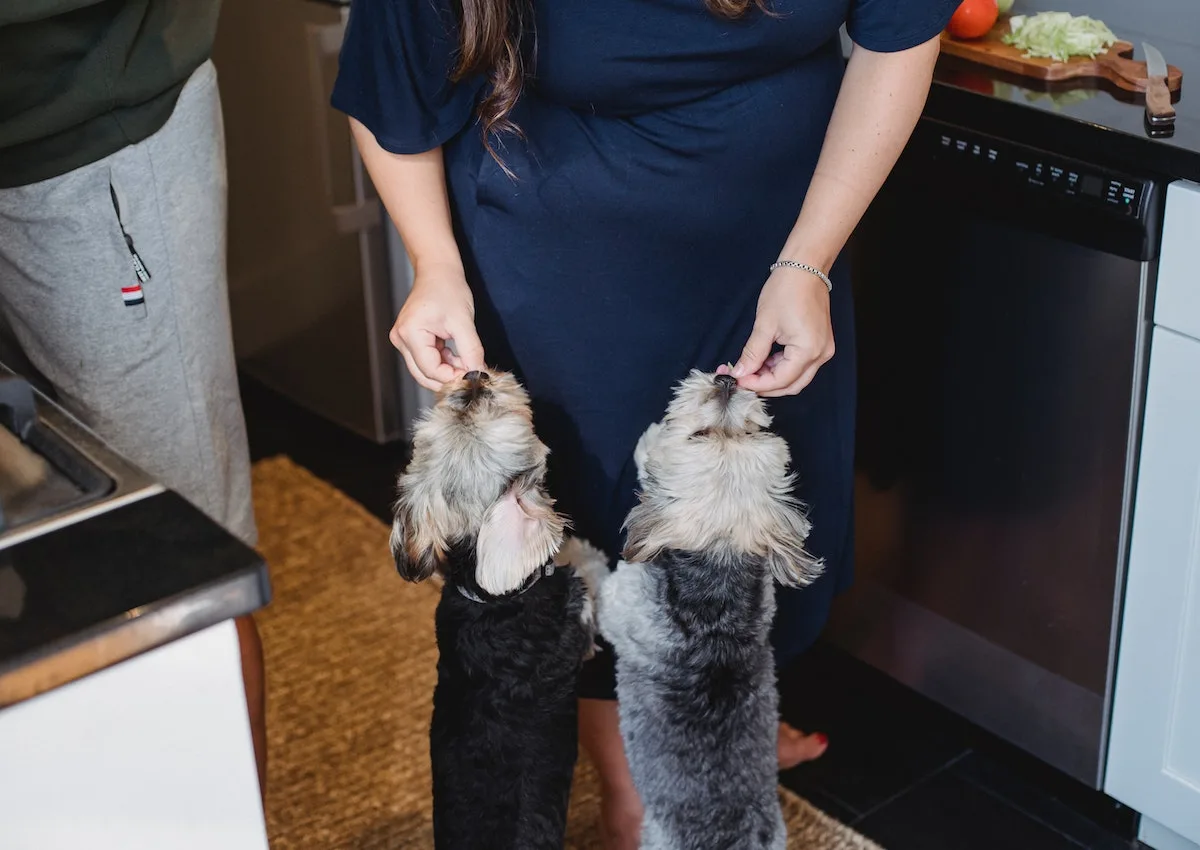
Two dogs bring a lot more energy into the house than one. You’ll have double the paw prints on the floor, extra shedding on the furniture and more barking when someone walks by the window. Play sessions can turn into zoomies that rattle the entire living room, and cleanup feels never-ending. For some families this extra activity makes life more fun, but for others it can become overwhelming quickly. If your home already feels busy with one dog, adding another can easily push it into full-time chaos.
Different energy levels


Not every dog will be on the same schedule or pace. Your older dog might prefer long naps while a younger pup wants hours of play and exercise. Trying to balance these mismatched needs can stretch your time and energy thin. If one dog is constantly bored and the other is always tired, neither will feel satisfied. Matching activity levels before bringing home a second dog can prevent a lot of frustration later on.
Jealousy and rivalry


Dogs are social animals, but they can also get possessive when they feel like they’re losing your attention. Your first dog may act out or sulk when a new pup enters the picture. Even subtle signs of jealousy, like pushing between you and the other dog or guarding toys, can escalate into bigger issues if not managed. It takes patience and awareness to make sure both dogs feel secure in their place within the family.
Travel becomes harder


Taking one dog on the road is already a challenge, and two makes everything more complicated. You’ll need bigger accommodations, more supplies and extra planning for things like bathroom breaks and feeding schedules. Some dog-friendly places have limits on the number of pets allowed, which can make your options more limited than before. If you like to travel often, the logistics of moving with two dogs may be more stressful than you expect.
Making time for both


Dogs thrive on one-on-one attention with their owners. With two in the house, finding time to bond individually can be tough. Without that balance, one dog may start to feel neglected, which can lead to stress or behavioral issues. Setting aside special walks or training sessions for each dog helps keep both feeling loved and connected to you. It’s an extra effort, but it’s key to harmony in a multi-dog home.
Sharing and resource guarding


Not every dog likes to share, whether it’s their food, toys or favorite napping spot. Bringing in a second dog can lead to competition over resources, which sometimes sparks fights. Teaching both dogs that there’s plenty to go around takes time and consistency. Separate feeding areas, extra toys and clear boundaries can reduce tension, but it’s still a challenge many new two-dog households face.
11 Dogs That Thrive In Multi-Pet Homes


Not every dog is cool with sharing their space, but some breeds handle it like champs. These dogs know how to get along with others—whether it’s another dog, a cat, or anything in between. If you’ve got a house full of pets, these are the breeds most likely to not cause issues and might even help keep the peace.
Read it Here: 11 Dogs That Thrive In Multi-Pet Homes
12 Signs Your Dog Is the Boss of You & Your House


Ever feel like your dog is running the show at home? You’re not alone! Many of us have pups who’ve taken over our lives in the most adorable ways. They’ve got us wrapped around their paws, dictating our schedules and stealing our best spots. If you’re starting to think your dog might be the real boss of the house, here are some of the tell-tale signs .
Read it Here: 12 Signs Your Dog Is the Boss of You & Your House
*Select images provided by Depositphotos.