

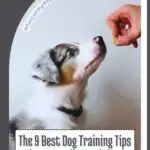
Training your dog can feel like trying to teach a toddler calculus, but it doesn’t have to be that hard. With the right approach (and a lot of patience), you can actually make it fun for both you and your dog. No gimmicks, just solid tips that actually work without driving you nuts. Whether you’re teaching them to sit, stay, or finally stop chewing your shoes, these training tricks will get you results—and maybe even save a few sneakers.


Positive Reinforcement


Rewarding your dog with treats, praise, or toys when they do something right makes them want to repeat the behavior. It’s like paying them for being good—who wouldn’t want that? Works wonders for everything from sit to recall.
Consistency is Key


Dogs thrive on routine, so if you’re consistent with your commands and actions, they’ll catch on faster. Changing up your rules confuses them—stick to one approach, and they’ll learn faster without all the mixed signals.
Short, Fun Training Sessions


Keep sessions short and sweet—around 10-15 minutes max. Long, drawn-out sessions bore your dog and make them zone out. Keep it fun and they’ll stay engaged, learning faster while having a blast.
Use High-Value Treats


Break out the good stuff! Using their favorite treats as a reward makes them more motivated to listen. Take the time to find out what your dog likes best (hint: it might not be their regular food) and use that while training.
Get Their Attention First


Before you give a command, make sure your dog is actually paying attention. If they’re busy sniffing the ground or staring off into space, they won’t hear you. A simple “watch me” can refocus them for better results.
Stay Calm and Patient


Losing your cool won’t help your dog learn any faster. Patience is key—dogs pick up on your energy, so staying calm helps them feel more comfortable and confident. They need time to figure things out, just like us.
Practice in Different Environments


Dogs aren’t great at generalizing, so what they learn in your living room might not work at the park. Practice commands in different settings so they learn to respond no matter where they are. Real-world training is just as important for them as it is for us in any new task.
Redirect Bad Behavior


Instead of yelling when they do something wrong, redirect their attention to what they should be doing. If they’re chewing your shoe, give them a toy instead. It’s about teaching them what’s right, not just punishing what’s wrong.
Be Consistent With Rewards


Once they’ve learned the behavior, gradually reduce the treats and mix in praise. It keeps them on their toes—dogs love rewards, but they also need to learn that good behavior is expected even without a constant treat buffet.
10 Ways To Train Your Dog Without Treats (Yes, It’s Possible!)


Training without treats isn’t going to fly with every dog, especially those that are highly food-motivated. But for some pups, treats aren’t the only way to their hearts or their brains. If you’ve got a dog that’s just as happy with a belly rub or a game of fetch, you’re in luck. There are plenty of ways to reinforce good behavior without constantly doling out snacks. So, if you’re looking to keep your dog fit and trained without the treat bribes, here are some clever alternatives that might just do the trick.
Read it Here: 10 Ways To Train Your Dog Without Treats
The 10 Worst Dog Training Tips That Everyone Follows Anyway


Dog training advice is everywhere, and most of it is downright terrible. You’ve probably heard a few tips that sound helpful but end up making things worse. The truth is, some of the most common advice people follow is not only outdated but can actually mess up your dog’s behavior. So, before you find yourself with a confused pup and a training disaster, let’s break down the worst dog training tips everyone still follows for some reason.
Read it Here: The 10 Worst Dog Training Tips That Everyone Follows Anyway