
Dogs don’t announce when something hurts. They don’t explain that their joints are stiff, their stomach aches or that a tooth has started bothering them. Instead, their pain is made evident through small behavioral shifts that are easy to miss if you’re not looking for them. A dog that suddenly acts differently isn’t always being stubborn or moody. Often their body is trying to compensate for discomfort.


Standing or moving differently than usual


Dogs that are uncomfortable often adjust the way they hold their bodies. You might notice a hunched back, a tucked tail or stiffness when they stand or walk. Some dogs shift their weight to one side or hold their head lower than usual.
These changes usually mean the dog is trying to relieve pressure somewhere in the body. Joint pain, muscle injuries or abdominal discomfort can all cause a dog to move differently as they attempt to avoid certain positions.
Becoming irritable or defensive when touched
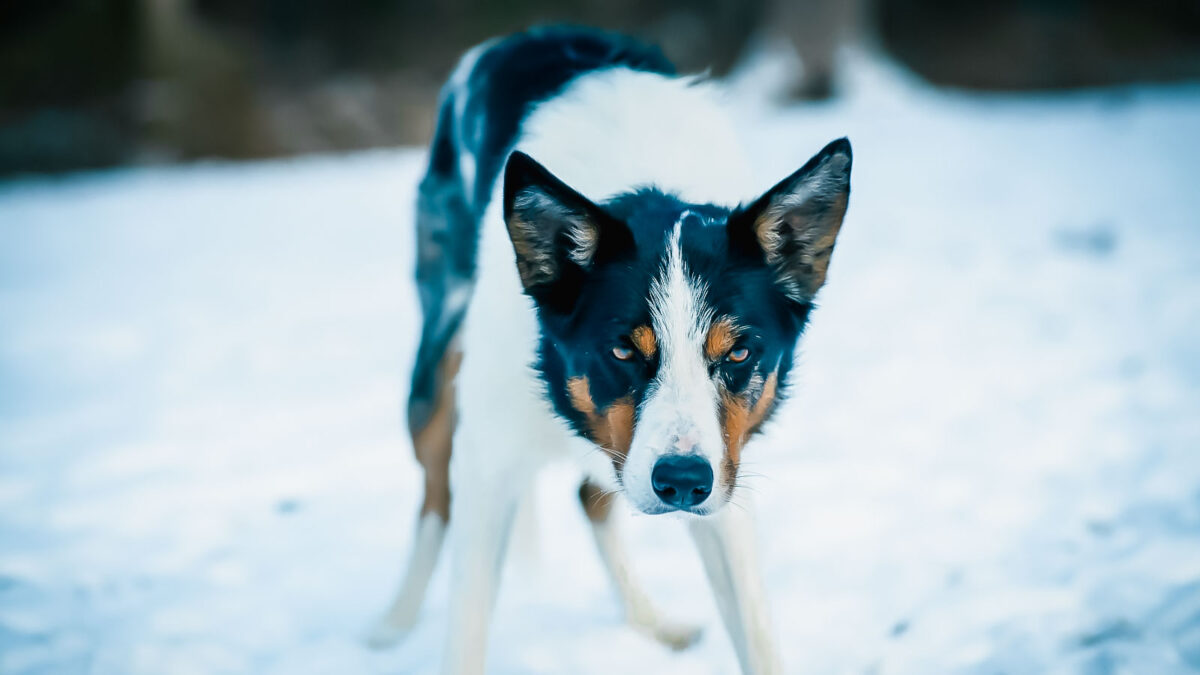

A dog that normally enjoys attention but suddenly snaps, growls or pulls away from touch may be reacting to pain. When something hurts, even gentle handling can feel threatening.
This change can be especially noticeable during routine interactions like petting, brushing or lifting. If a dog reacts strongly to contact in a specific area, it can help narrow down where the discomfort may be located.
Constant licking or chewing on one area


Dogs frequently focus on areas that hurt. Licking or chewing at paws, joints or a particular patch of skin can signal irritation, injury or internal discomfort.
Over time, this behavior can lead to hair loss or irritated skin. If a dog keeps returning to the same spot, it’s worth checking the area closely or having a veterinarian evaluate it.
Suddenly loss of interest in food


A dog that suddenly becomes uninterested in food may be dealing with pain. Dental issues, stomach discomfort or internal illness can make eating unpleasant.
Because many dogs are enthusiastic eaters, a noticeable drop in appetite often stands out quickly. When a dog that normally finishes meals without hesitation starts leaving food behind, it’s usually a signal that something has changed physically.
Avoiding movement, stairs or normal activity


Dogs experiencing pain often avoid activities that require movement. A dog that once jumped onto the couch or eagerly ran to the door may hesitate, move slowly or stop attempting those behaviors entirely.
Joint problems, muscle strain or neurological issues can make movement uncomfortable. Owners often notice this first during walks, when a dog begins lagging behind or showing less interest in exercise.
Panting heavily while resting


Panting is normal after exercise or in warm weather, but persistent panting during rest can indicate discomfort. Pain, anxiety and certain medical conditions can all affect breathing patterns.
If panting appears alongside restlessness, pacing or drooling, it may suggest the dog is struggling to get comfortable. These changes should always be taken seriously.
Whining or making unusual sounds


Dogs sometimes express discomfort through sound. Whining, whimpering, groaning or yelping can happen when a dog moves, shifts position or is touched in a painful area.
These vocal cues may not occur constantly, which can make them easy to dismiss. Noticing when they occur and what triggers them can provide useful clues about the underlying issue.
Pulling away from people or hiding


Some dogs become quieter and less social when they’re in pain. Instead of greeting family members or participating in normal activities, they may retreat to quiet corners or avoid interaction.
This behavior often reflects a dog trying to rest or avoid stimulation while they’re uncomfortable. Changes in sociability are often among the earliest signals that something isn’t right.
Shaking or trembling for no clear reason


Trembling can be caused by several things, including fear or cold, but persistent shaking can also point to pain. Dogs experiencing internal discomfort or injury sometimes tremble even when resting.
If shaking appears along with lethargy, vomiting or unusual posture, it may indicate a more serious condition that requires immediate veterinary attention.
Sleeping more or struggling to get comfortable


Pain often disrupts normal rest. Some dogs sleep much more than usual, while others struggle to get comfortable and repeatedly change positions.
A dog that normally sleeps through the night but suddenly becomes restless may be trying to find a position that relieves discomfort. These shifts in sleep behavior often appear gradually but become noticeable over time.
Changes in normal grooming habits


Pain can affect grooming in two different ways. Some dogs groom less frequently, resulting in a dull coat or matted fur. Others groom excessively, focusing on one area repeatedly.
Both patterns can signal that something is wrong. Paying attention to new grooming habits can help identify areas of irritation or injury.
Pacing or acting unable to settle down


Dogs in pain often struggle to settle down. They may pace around the room, stand up repeatedly or circle before lying down again.
This type of restlessness usually means the dog is uncomfortable in certain positions or dealing with internal discomfort. Watching when and where the pacing occurs can help identify patterns related to the problem.
Squinting or showing changes in the eyes


Eye discomfort can cause subtle but noticeable changes. Dogs experiencing eye pain may squint, blink frequently or produce excessive tears.
They may also rub their face against furniture or paw at their eyes. Because eye problems can worsen quickly, any sudden changes in eye appearance or behavior should be evaluated promptly.
Can Your Dog Make You Sick? 15 Diseases They Can Pass To Humans


Your dog might not give you the common cold, but there are still a few illnesses they can pass along. From bacterial infections to parasites, there are several diseases that can be transmitted from dogs to humans. While some are rare and others more common, it’s important to be aware of the risks. Fortunately, most can be prevented with good hygiene practices and regular vet care. Here are some of the diseases that dogs can share with their owners—and what you can do to avoid them.
Read it Here: Can Your Dog Make You Sick? 15 Diseases They Can Pass To Humans
13 Ridiculous Reasons Dogs Land In The Vet’s Office


Dogs have an unmatched talent for turning the everyday into a full-blown emergency. One minute they’re sniffing around like innocent little angels, the next they’ve swallowed something that should absolutely never be ingested. You’d think they’d learn, but nope—every trip to the vet feels like a new episode of “What Did You Do This Time?” From bizarre snack choices to accidental misadventures, there’s no limit to the chaos they can cause.
Read it Here: 13 Ridiculous Reasons Dogs Land In The Vet’s Office