
That adorable head tilt isn’t just your dog being cute—it’s actually meaningful. Dogs use this behavior for a variety of reasons, from trying to understand sounds to reacting to your voice. While it melts our hearts every time, there’s often something more going on behind it. Once you know what to look for, that little tilt becomes a lot more interesting.
Listening for Familiar Words


Dogs quickly learn to recognize certain words tied to their favorite things. When they hear something familiar, they tilt their head to focus more closely. It’s their way of tuning in and trying to confirm what they just heard. You’ll often see this when you say words like “walk” or “treat.”
Trying to Hear Better


Tilting their head helps dogs adjust how sound reaches their ears. This slight shift can make it easier to locate where a noise is coming from. It’s similar to how people turn their heads in a noisy space to hear more clearly. This behavior helps them process sounds more accurately.
Focusing on Visual Details


A dog’s snout can sometimes block part of their view. By tilting their head, they get a clearer look at faces or objects. This is especially helpful when they’re trying to read your expressions. It allows them to better understand what’s happening visually.
Trying to Understand You


When you talk to your dog, they often tilt their head while processing your tone and words. They’re trying to piece together what you mean and how to respond. This shows their strong desire to connect and respond appropriately. It’s a sign they’re actively engaged with you.
Curiosity About New Sounds


Unfamiliar noises often trigger a head tilt. Dogs are naturally curious and want to figure out what they’re hearing. This movement helps them analyze and compare the sound to what they already know. It’s part of how they explore the world around them.
Instinctive Reaction


Sometimes the head tilt is simply a natural response to something new or confusing. It helps dogs pause and process unfamiliar situations. This instinct allows them to gather more information before reacting. It’s a built-in way of understanding their environment.
Getting a Better Scent


Changing the angle of their head can help dogs pick up scents more effectively. Even a slight adjustment can improve how smells reach their nose. Since scent is such a big part of how they experience the world, this small movement can be useful. It helps them gather more detailed information.
Learned Attention Trick
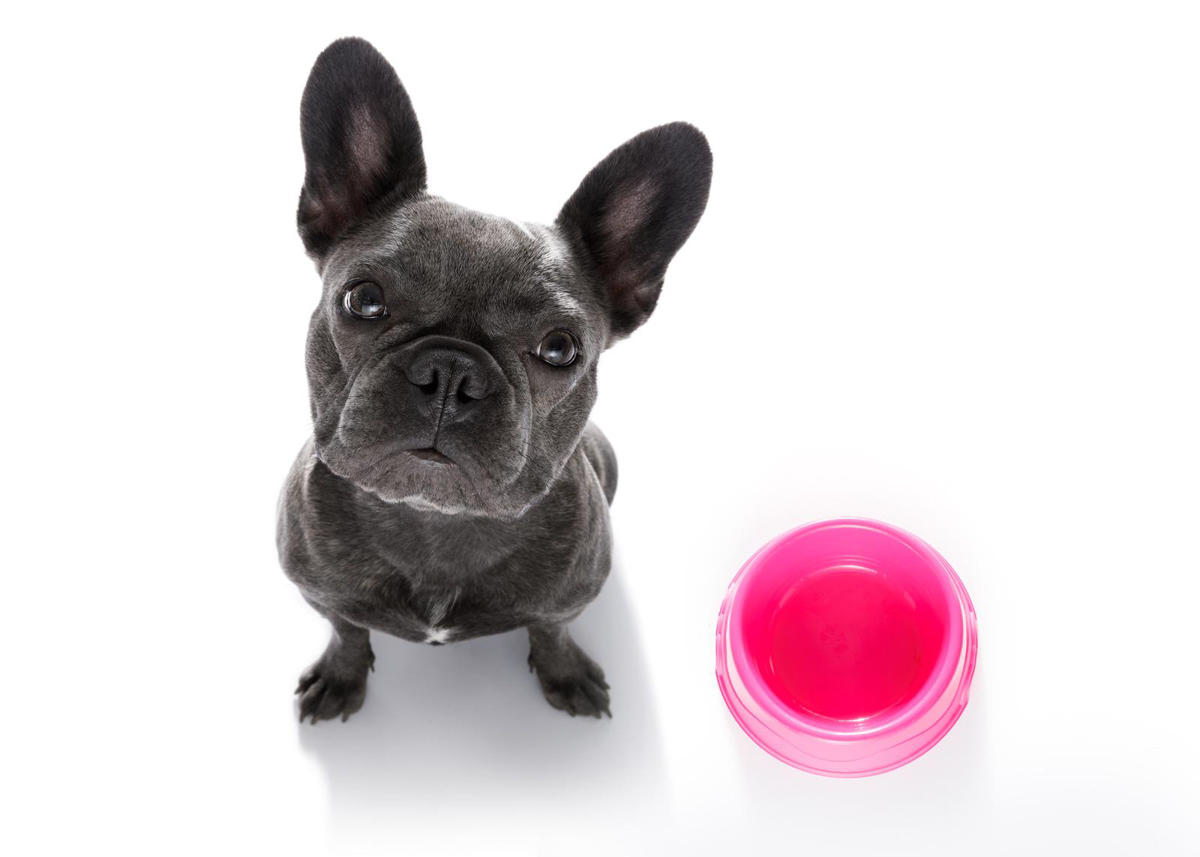

Dogs are quick learners when it comes to human reactions. If head tilting gets a positive response, they’re likely to repeat it. Over time, it can become a go-to behavior for attention. It’s their way of keeping you engaged and interacting with them.
Adjusting for Vision Issues


Some dogs tilt their heads to compensate for limited or altered vision. Adjusting their angle helps them see objects more clearly. This can be especially noticeable in older dogs. It’s a subtle way they adapt to changes in their eyesight.
Possible Inner Ear Problems
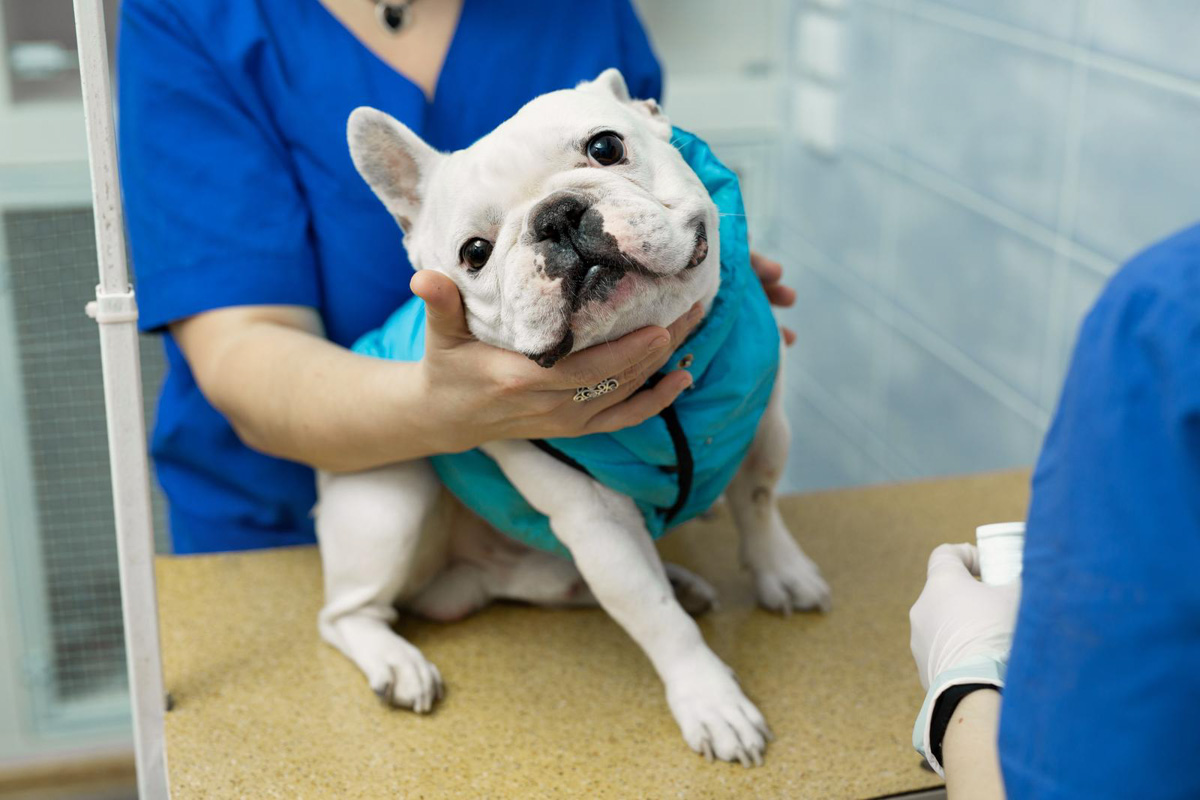
In some cases, frequent head tilting can signal a health issue. Inner ear infections or balance problems can cause persistent tilting. If it seems constant or unusual, it’s worth checking with a veterinarian. Early attention can prevent more serious problems.
Copying Your Behavior


Dogs often mirror behaviors they see from their owners. If you tilt your head or react in a certain way, they may copy you. This shows their social awareness and ability to learn through observation. It’s another way they connect with you.
Enjoying the Motion


Sometimes there isn’t a deeper reason behind it at all. Dogs may tilt their heads simply because it feels natural or enjoyable. Like many small behaviors, it can just be part of their personality. And for us, it’s always a bonus when it looks that cute.