

Some dogs get in a short walk and are content with a quiet afternoon on the couch. Others are wired for a completely different lifestyle. These dogs were bred to work long hours in tough conditions, covering miles of ground while herding, hunting or pulling weight. Their bodies and minds were built for stamina. Because of that, they need consistent outlets for their energy or they quickly become restless and hard to manage. For owners who enjoy running, hiking or spending most of their time outdoors, these breeds can be incredible companions.


Border Collie


Border Collies were developed to herd livestock across large stretches of farmland, which required sharp focus and the ability to keep moving for hours at a time. That working background still defines the breed today. These dogs are constantly alert, highly responsive to movement and eager to stay engaged in whatever task is in front of them.
Because they combine physical stamina with intense intelligence, they need both exercise and mental challenges. Long runs, agility training and problem solving activities help them stay balanced. Without those outlets, their energy often turns into restless behavior around the house.
Siberian Husky
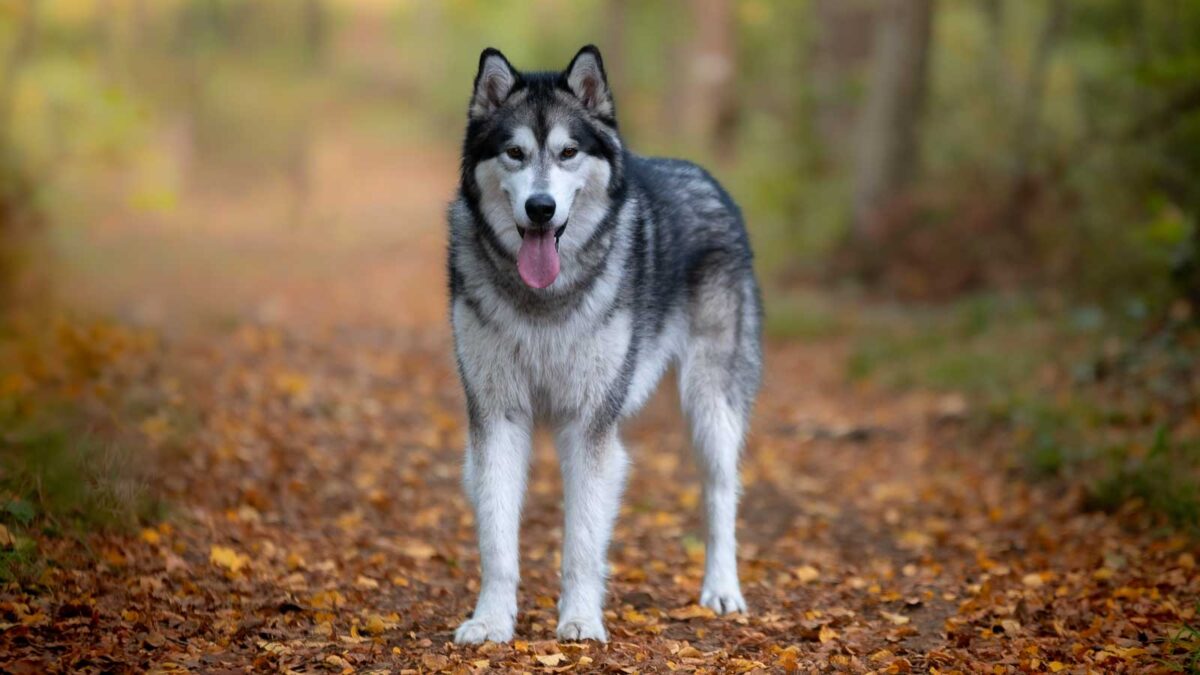

Siberian Huskies are famous for their ability to travel long distances in harsh conditions. For generations they pulled sleds across frozen landscapes, covering miles while conserving energy with an efficient stride.
That endurance remains a defining trait. Huskies thrive on running and extended outdoor activity, and many owners find they’re happiest when they have space to move freely. Without regular exercise, their need for activity often shows up in creative escape attempts or persistent pacing.
Belgian Malinois
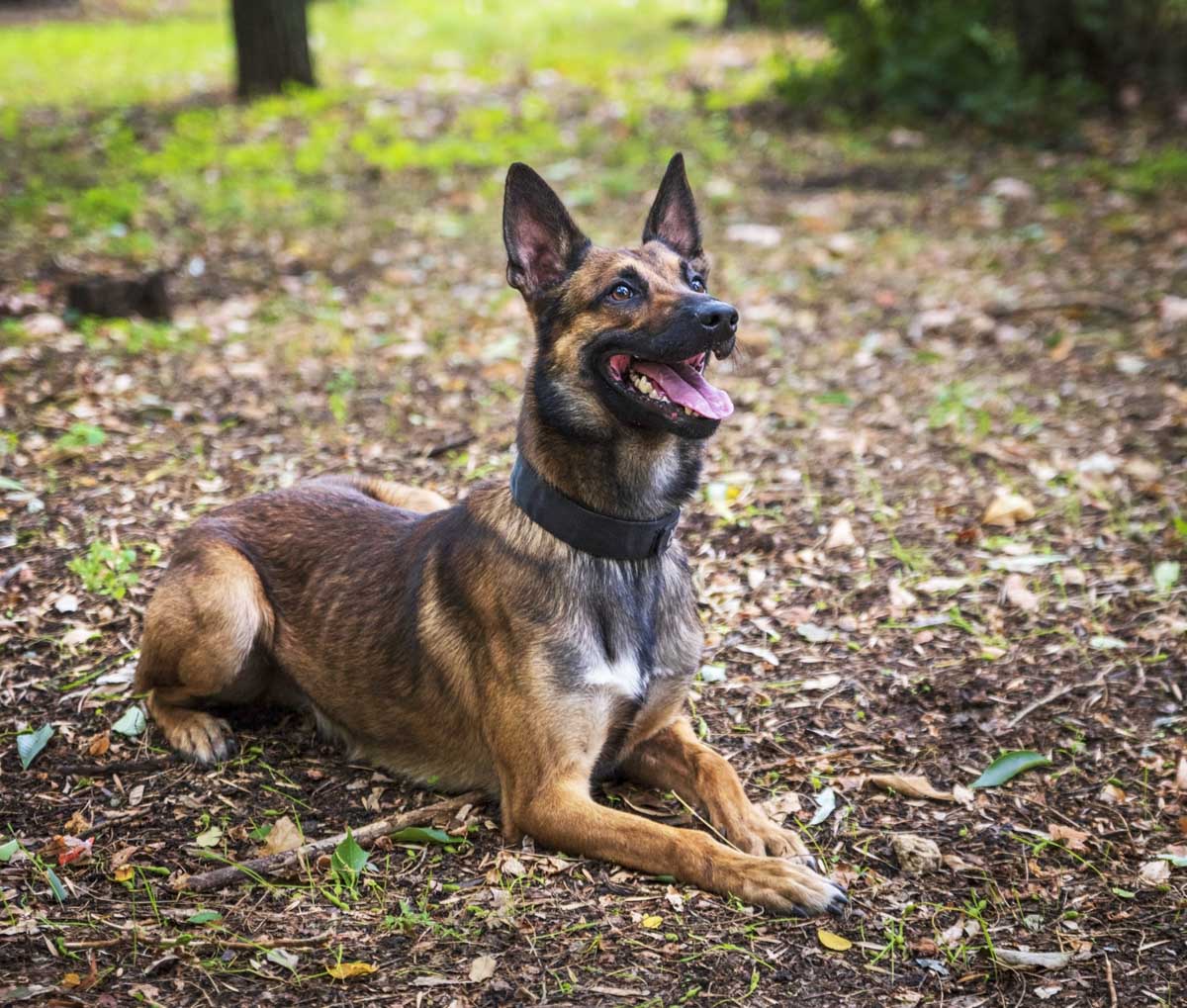
The Belgian Malinois is widely known for its work in police and military roles. These dogs were bred to stay focused for long periods, often working in demanding environments where stamina and quick decision making matter.
Their endurance shows up in everyday life as well. Malinois need structured training and significant physical activity to stay balanced. They excel in sports like protection work, tracking and agility, where both their athletic ability and mental focus can be put to use.
Australian Cattle Dog


Australian Cattle Dogs were developed to move livestock across large distances in rugged terrain. This job required toughness, independence and the ability to keep working through long days without slowing down.
That history gives them impressive physical stamina. They do best with active owners who can provide regular challenges, whether through hiking, running or training exercises. Without enough activity, their energy often turns into frustration or problem solving that owners didn’t plan for.
Vizsla


Vizslas were bred as hunting companions expected to stay close to their handler while covering large areas of ground. Their lean build and powerful stride allow them to move quickly and maintain that pace for long periods.
Because they’re both athletic and highly social, Vizslas tend to bond closely with their owners and enjoy activities they can share together. Long runs, field work or extended outdoor play are often necessary to keep them satisfied and relaxed at home.
Weimaraner
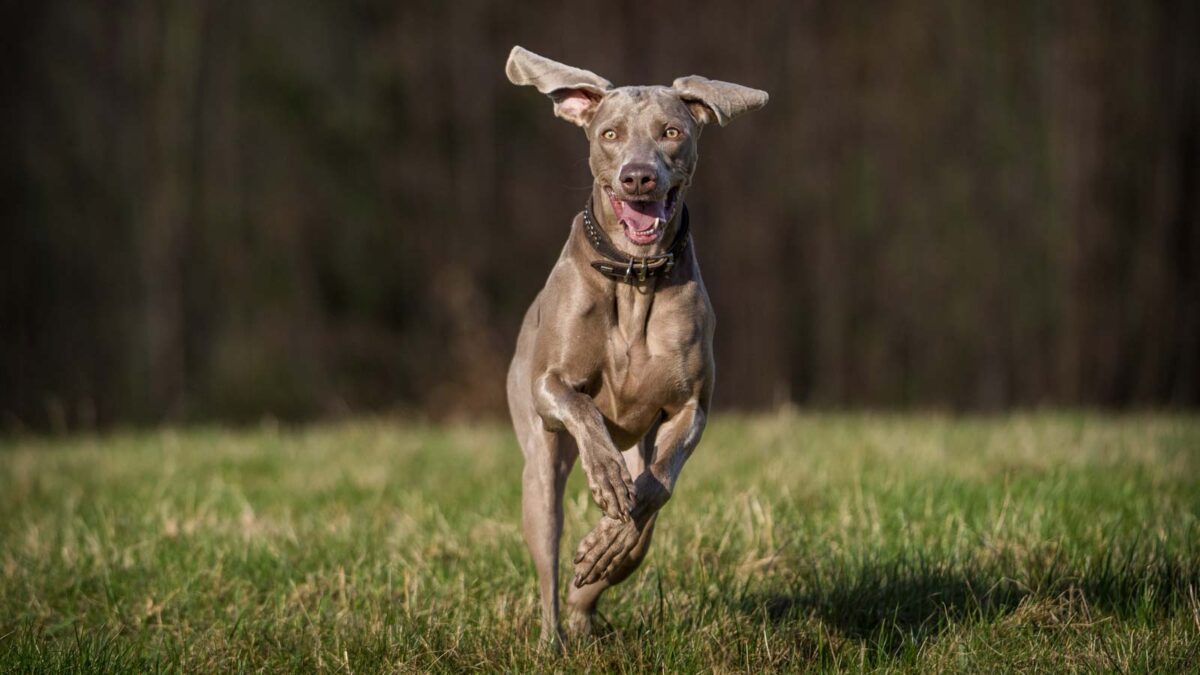
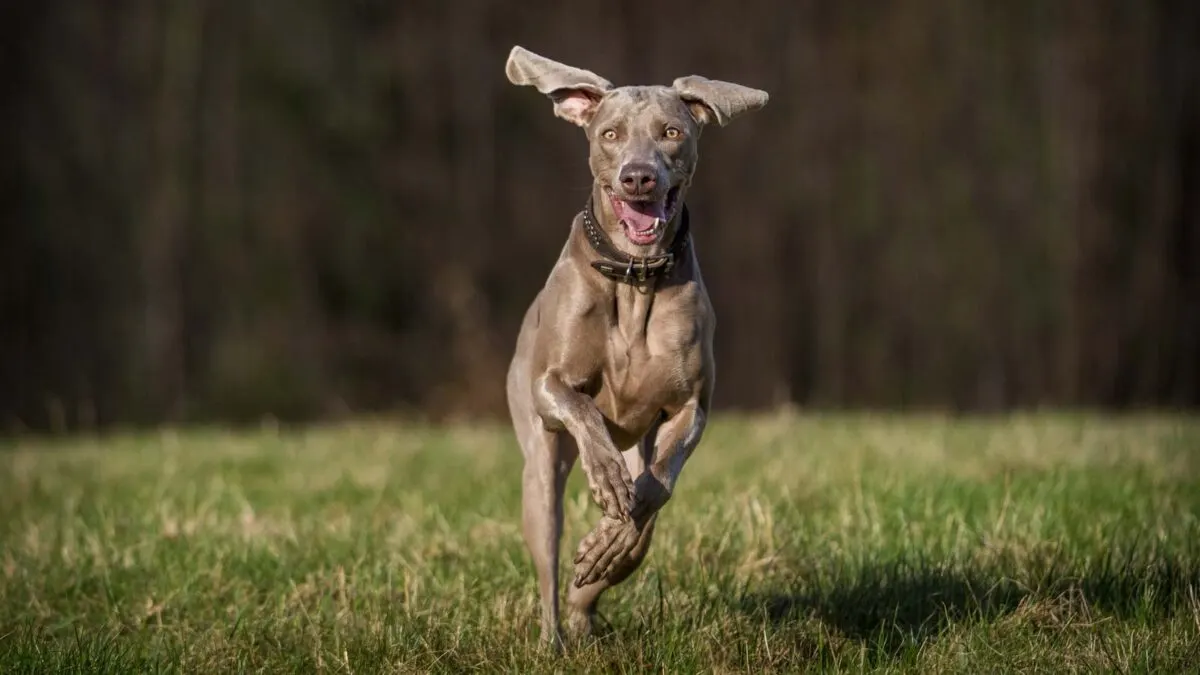
Originally bred to track large game, Weimaraners were expected to move quickly and stay active for extended hunts. Their sleek bodies and strong legs reflect that purpose.
These dogs need regular outlets for their energy, especially activities that allow them to run and explore. Without those opportunities, their frustration can appear as destructive behavior or constant restlessness indoors.
Alaskan Malamute


Alaskan Malamutes were bred to haul heavy sleds across long distances in Arctic conditions. Unlike some sled dogs that focus on speed, Malamutes are known for their strength and ability to maintain steady effort over time.
They thrive in environments where they can work or exercise regularly. Activities like hiking, pulling carts or structured outdoor play can help meet their physical needs while giving them a productive outlet for their natural drive.
Rhodesian Ridgeback


Rhodesian Ridgebacks were developed in southern Africa to assist hunters tracking large game. Their role required them to travel long distances while maintaining alertness and control.
This combination of stamina and independence remains a defining feature of the breed. Ridgebacks benefit from regular high energy activities such as running or hiking. Without those outlets, their strong instincts and energy can make them difficult to manage.
German Shorthaired Pointer


German Shorthaired Pointers are versatile hunting dogs capable of running, swimming and tracking for long periods. Their athletic build allows them to cover large areas of ground while maintaining speed and focus.
Because of that background, they require significant exercise and mental engagement. Owners who provide consistent activity often find them to be enthusiastic companions who enjoy both outdoor adventures and structured training.
Saluki


Salukis were bred for long distance hunting across desert landscapes. Their slender bodies and powerful stride allow them to move with both speed and efficiency over extended distances.
Although they are capable of intense bursts of activity, they also appreciate quiet time once their exercise needs are met. Regular opportunities to run help keep them balanced and allow them to express the endurance that defines the breed.
11 Hyperactive Dog Breeds That Will Run You Ragged

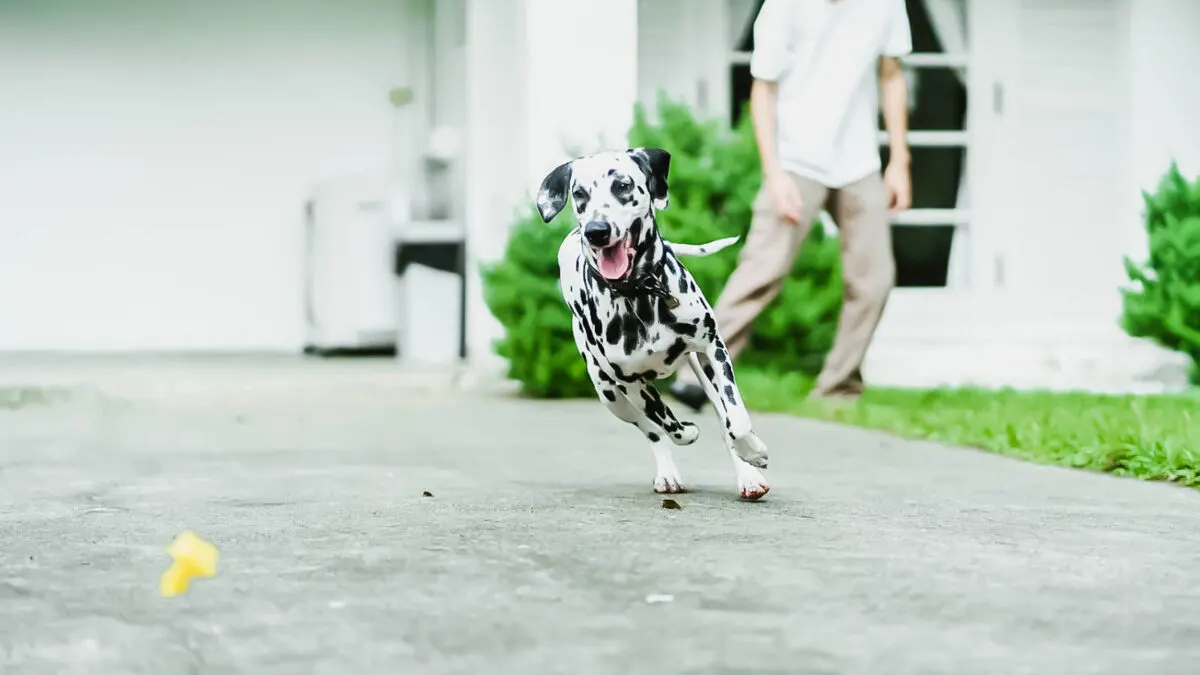
Got a ton of energy and need a dog to match? Some dog breeds are absolute dynamos, full of zest and always ready to go. These high-energy pups need lots of exercise, mental stimulation and playtime to stay happy and healthy. They thrive on activity and can turn even the most laid-back people into fitness enthusiasts. Whether you love running, hiking or just playing endless games of fetch, these breeds will make sure you’re never bored. Alternatively, if you love to lounge, avoid getting one of these dogs as pets!
Read it Here: 11 Hyperactive Dog Breeds That Will Run You Ragged
12 Dogs That Love To Run Away And Explore


Ever had that heart-stopping moment when you realize your dog has gone on an unexpected adventure? Some dogs are more prone to pulling a Houdini than others. Certain breeds just can’t resist the call of the wild. If you have one of these escape artists, you know the drill – double-checking gates, reinforcing fences, and sometimes, just crossing your fingers.
Read it Here: 12 Dogs That Love To Run Away And Explore
*Select images provided by Depositphotos.