

Most kids are naturally drawn to dogs. They see a fluffy face and a wagging tail and immediately want to run over, hug it and make a new best friend. Not all dogs interpret excitement the same way kids do however. What seems playful or affectionate to a child can feel overwhelming or threatening to a dog that doesn’t know them. That’s why teaching kids how to behave around dogs is one of the most important safety lessons parents can pass on.


Ask Before Approaching


The first lesson is simple but often skipped. Kids should always ask a dog’s owner before reaching out to pet the dog. Even if the dog looks friendly, there may be reasons the owner prefers people to keep their distance. Some dogs are in training, recovering from injury or simply nervous around strangers.
Teaching kids to pause and ask gives the owner a chance to guide the interaction. It also helps children learn that animals aren’t public property just because they’re out in the world. A quick question makes the situation safer for everyone involved.
Approach Slowly And Calmly


Kids move quickly when they’re excited, which can startle a dog that wasn’t expecting the attention. Running, squealing or charging toward a dog can trigger a defensive response, especially if the dog feels cornered or unsure.
Encouraging kids to slow down and approach calmly changes the entire interaction. Walking toward the dog at a relaxed pace and letting the dog see them clearly gives the animal time to process what’s happening instead of reacting out of surprise.
Let The Dog Check You Out First


Dogs rely heavily on scent to understand the world around them. Before petting, kids should give the dog a moment to sniff their hand or simply observe them.
This small step allows the dog to gather information and decide whether it feels comfortable moving closer. When the dog initiates contact instead of being rushed, the interaction is much more relaxed for both sides.
Pet In Places Dogs Prefer


Many kids instinctively reach for the top of a dog’s head, but that movement can feel intimidating to some dogs. A hand coming straight down toward their face isn’t always welcome.
Instead, kids should aim for calmer contact points like the side of the neck, the chest or along the shoulder. These areas are less threatening and allow the dog to move away easily if it decides it has had enough attention.
Pay Attention To Body Language


Dogs communicate constantly through posture, facial expressions and subtle movements. Kids who learn to notice these signals are much less likely to push a dog past its comfort zone.
A loose body and relaxed tail often indicate the dog feels safe. Stiff posture, tucked tails, pinned ears or repeated yawning can mean the dog is uncomfortable and needs space. Recognizing these signs early helps kids step back before the dog feels the need to escalate its message.
Leave Dogs Alone When They’re Eating


Food is one of the most common triggers for defensive behavior in dogs. Even dogs that are normally calm and tolerant may react if someone reaches toward their bowl while they’re eating.
Kids should learn that meal time is off limits for interaction. Giving dogs space while they eat prevents resource guarding and reduces the chance of a startled or defensive reaction.
Respect Toys And Chews


Just like food, toys and chews can be valuable to a dog. Grabbing something from a dog’s mouth or taking a toy away during play can create tension if the dog isn’t used to that behavior.
If something needs to be taken from the dog, an adult should step in and handle it. Teaching kids to respect a dog’s possessions helps avoid conflicts that can easily be prevented.
Don’t Hug Or Climb On Dogs


Kids often show affection by hugging, leaning or climbing onto animals. While some dogs tolerate it, many feel trapped when their movement is restricted.
Instead of hugging, kids can show affection through gentle petting or sitting next to the dog. This allows the dog to move away if it wants to, which helps keep the interaction relaxed and positive.
Let Sleeping Dogs Rest

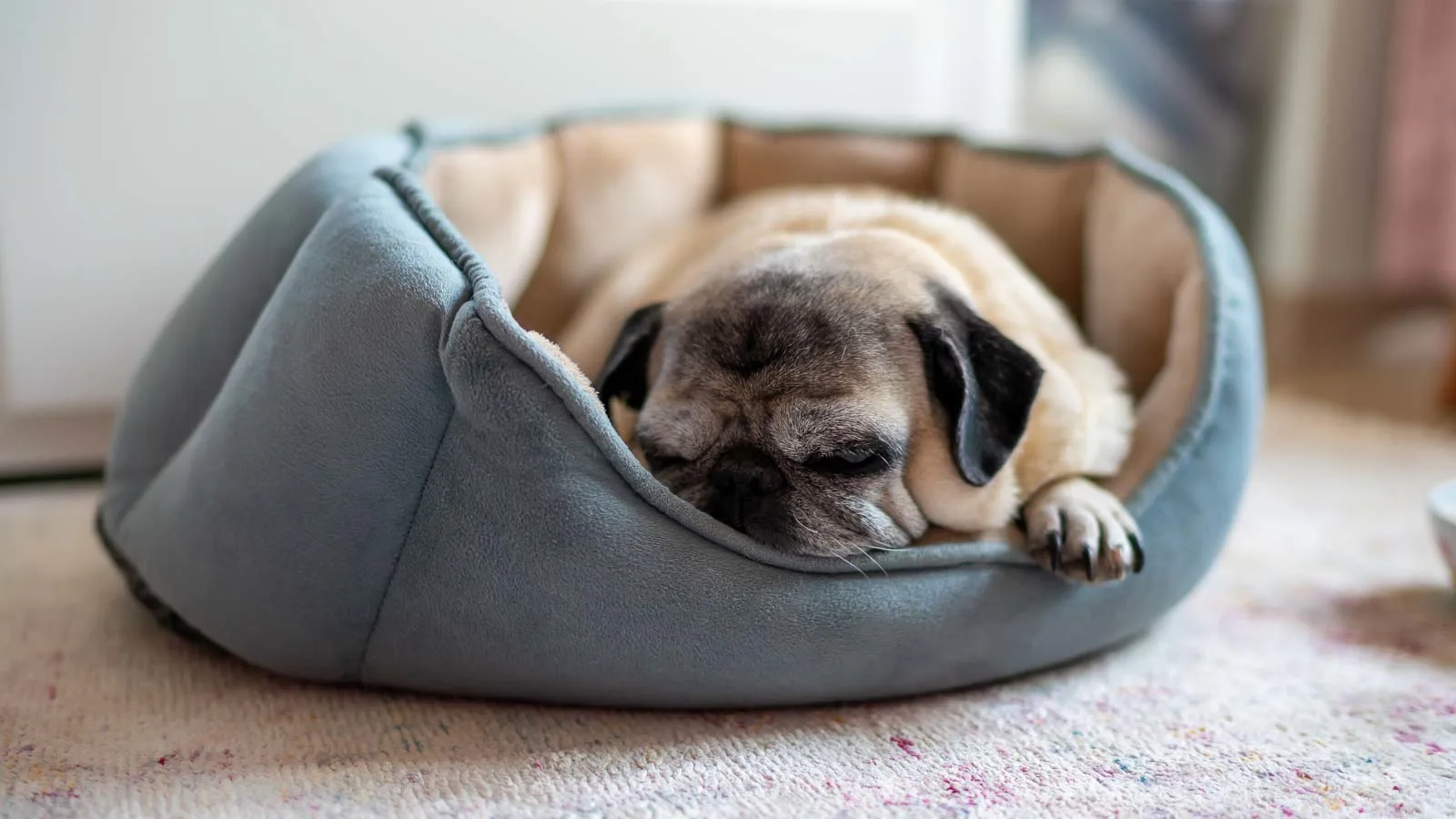
A sleeping dog may wake up disoriented if startled, especially if the interruption comes from a sudden touch or loud noise. That moment of confusion can lead to defensive reactions.
Teaching kids to leave sleeping dogs alone removes that risk entirely. If they want to interact, they should wait until the dog is awake and aware of what’s happening around it.
Know What To Do If A Dog Gets Too Excited


Sometimes a dog becomes overly excited and begins jumping or rushing toward a child. Reacting with screaming or running can make the situation worse because the dog interprets it as play.
A helpful strategy is teaching kids to stand still, fold their arms and look away. Remaining calm removes the excitement from the moment and gives the dog a chance to settle down without escalating the situation.
12 Dogs That Are A Disaster Waiting To Happen Around Kids


When it comes to choosing a dog for a family with kids, safety is a top priority. Some breeds, despite their charm, can be too risky to have around young children. From strong guarding instincts to unpredictable behavior, these dog breeds might not be the best choice for a household with kids. Of course, each dog is different and there are always exceptions, but better to play it safe than sorry!
Read it Here: 12 Dogs That Are A Disaster Waiting To Happen Around Kids
9 Dog Breeds Known For Their Gentle Nature With Kids


When it comes to picking a dog that’s great with kids, some breeds just have that natural, gentle touch. These dogs are patient, loving, and somehow manage to keep their cool even when the kids are bouncing off the walls. From their calm demeanors to their protective instincts, these breeds know how to handle the chaos of family life without missing a beat. If you’re looking for a dog that will fit right in with your little ones, these pups are pros at making sure everyone stays happy and safe.
Read it Here: 9 Dog Breeds Known For Their Gentle Nature With Kids
*Select images provided by Depositphotos.