

Most dog owners mean well. You love your dog, you want them included and you assume other people feel the same way. The issue is that public spaces aren’t your living room, and not everyone signed up to interact with your pet. Small lapses in control or awareness can turn into big annoyances for other people, especially in crowded parks, sidewalks or patios. A lot of the tension people feel toward dogs in public isn’t about the dogs at all, it’s about the humans attached to the leash. Being mindful in shared spaces protects your dog and keeps everyone else from silently wishing you’d stayed home.


Letting your dog jump on people


An enthusiastic greeting might feel harmless, but not everyone wants paws on their clothes or claws scraping their legs. Kids can get knocked over, elderly people can lose balance and even dog lovers can get caught off guard.
Teaching a calm greeting makes a noticeable difference. If your dog automatically sits or waits before being acknowledged, interactions feel controlled instead of chaotic. It signals that you’re paying attention and that your dog isn’t making decisions for you in public.
Treating leash laws like suggestions


Letting your dog off leash in areas that require one creates tension immediately. Even if your dog has solid recall, strangers don’t know that. Other dogs may be reactive, recovering from surgery or in training.
Leash laws exist for predictability. A leash keeps movement contained and prevents surprise approaches that can escalate quickly. If your dog needs to run, there are designated spaces for that. In shared public areas, structure matters more than freedom.
Allowing constant barking


One bark at a strange noise is normal. Repeated barking at every person, stroller or passing dog shifts from alert to disruptive pretty quickly. What might sound minor to you can feel overwhelming to someone sitting nearby.
Interrupting barking early and redirecting attention shows that you’re engaged. If your dog is consistently overstimulated in a certain environment, it may not be the right setting yet. Public outings shouldn’t feel like endurance tests for everyone within earshot.
Not picking up after your dog


There isn’t much gray area here. Leaving waste behind affects everyone who uses that space and reinforces negative stereotypes about dog owners.
Carrying bags every time becomes second nature once it’s a habit. If you run out, asking another owner or circling back later is still better than pretending it didn’t happen. Clean up is part of the agreement when you bring a dog into shared areas.
Using retractable leashes in tight spaces


Retractable leashes have their place, but crowded sidewalks and busy parks usually aren’t it. A long, thin line stretching across a walkway creates trip hazards and unpredictable movement.
In tighter areas, a standard leash keeps your dog close and your reactions quicker. You have more control over distance, which reduces sudden encounters. It also prevents your dog from wandering into someone’s path before you can respond.
Bringing dogs where they’re not allowed


Rules about dogs in certain stores, beaches or parks aren’t random. They’re often tied to hygiene, safety or wildlife protection.
Even if your dog is well behaved, bending those rules puts staff and other visitors in an awkward position. Respecting posted guidelines keeps access open in the places dogs are welcomed and avoids creating conflict where it’s unnecessary.
Assuming every dog or person wants to interact


Not all dogs are social, and not all people are comfortable around them. Letting your dog approach without asking can create stress on both sides.
A simple pause and verbal check-in goes a long way. If the other owner says no, that’s enough. Teaching your dog to move on without insisting keeps interactions smooth and prevents tension from building before it needs to.
Letting your dog beg at outdoor dining


Outdoor patios feel casual, but they’re still shared dining spaces. A dog hovering at another table or staring at someone’s plate quickly becomes uncomfortable.
Training your dog to lie quietly under your table or at your feet keeps the space respectful. It also reduces the chance of them grabbing dropped food or reacting to nearby movement. Dining out should feel relaxed, not like crowd control.
Bringing a reactive dog into busy settings without a plan


Some dogs struggle with reactivity, and that doesn’t make them bad dogs. The frustration starts when owners ignore those limitations in crowded environments.
If your dog is still working through leash reactivity or aggression, choose settings that allow space. Use tools responsibly and continue training before placing them in high pressure situations. Public spaces aren’t the best place to test progress.
Taking an unprepared dog to large events


Festivals, farmers markets and crowded parks can overwhelm even stable dogs. Noise, movement and unpredictable interactions stack up quickly.
Building exposure gradually makes outings more manageable. Start with quieter environments, practice core behaviors and increase intensity slowly. Bringing a dog into a chaotic setting before they’re ready usually ends with stress for everyone involved, including the dog.
10 Quick Fixes For The Most Annoying Dog Behaviors


Dealing with a dog that barks nonstop, chews everything in sight, or acts like they own the place? These annoying behaviors can drive even the most patient dog owners up the wall. But before you start pulling your hair out, know that there are quick fixes that can save your sanity.
Read it Here: 10 Quick Fixes For The Most Annoying Dog Behaviors
8 Dog Behaviors You Think Are Cute But Are Actually Problematic
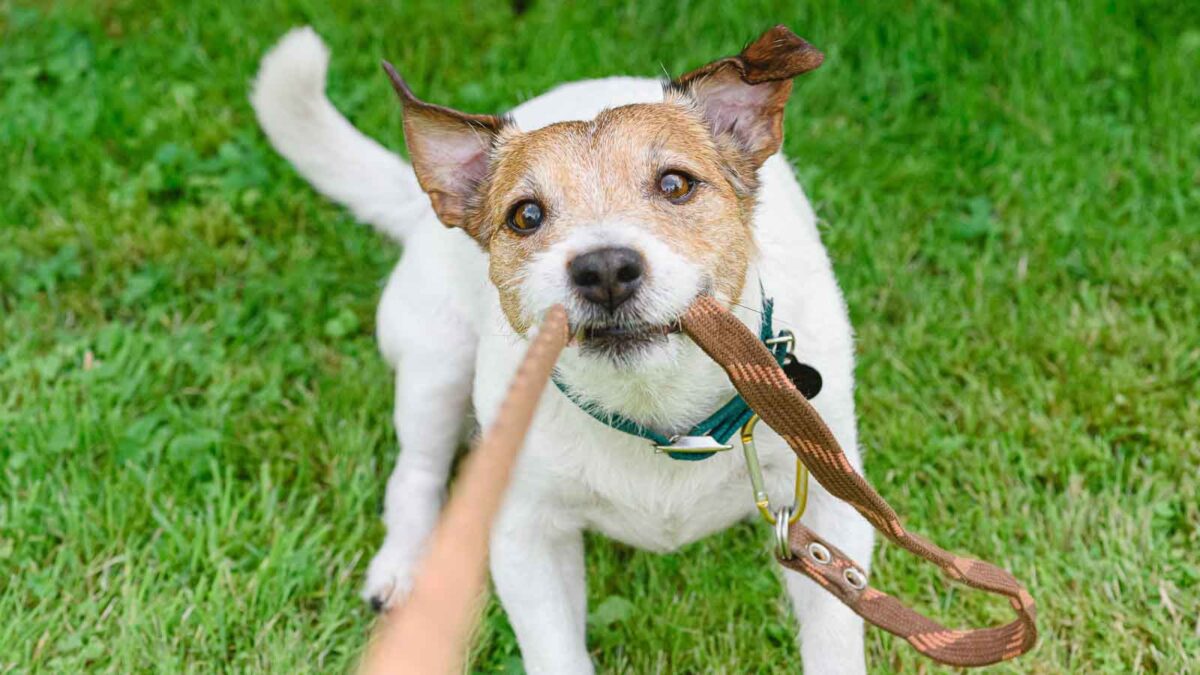

Some dog behaviors seem harmless, even cute, but they can actually lead to bigger problems if left unchecked. That adorable jumping up, or those big puppy eyes begging at the table? Yeah, they’re not so cute when they turn into bad habits. What seems sweet at first can quickly become a nuisance, or even a safety issue. Time to check the ego, get real about the behaviors you might be brushing off and learn how to redirect them before they become a full-blown problem.
Read it Here: 8 Dog Behaviors You Think Are Cute But Are Actually Problematic
*Select images provided by Depositphotos.