
Even though dogs have spent thousands of years living alongside humans, a surprising amount of their behavior hasn’t changed much at all. Beneath the couch naps and squeaky toys, many everyday habits still trace directly back to their wolf ancestors. These instincts once helped them survive in the wild, and while they’re no longer necessary, they’re still very much wired in.


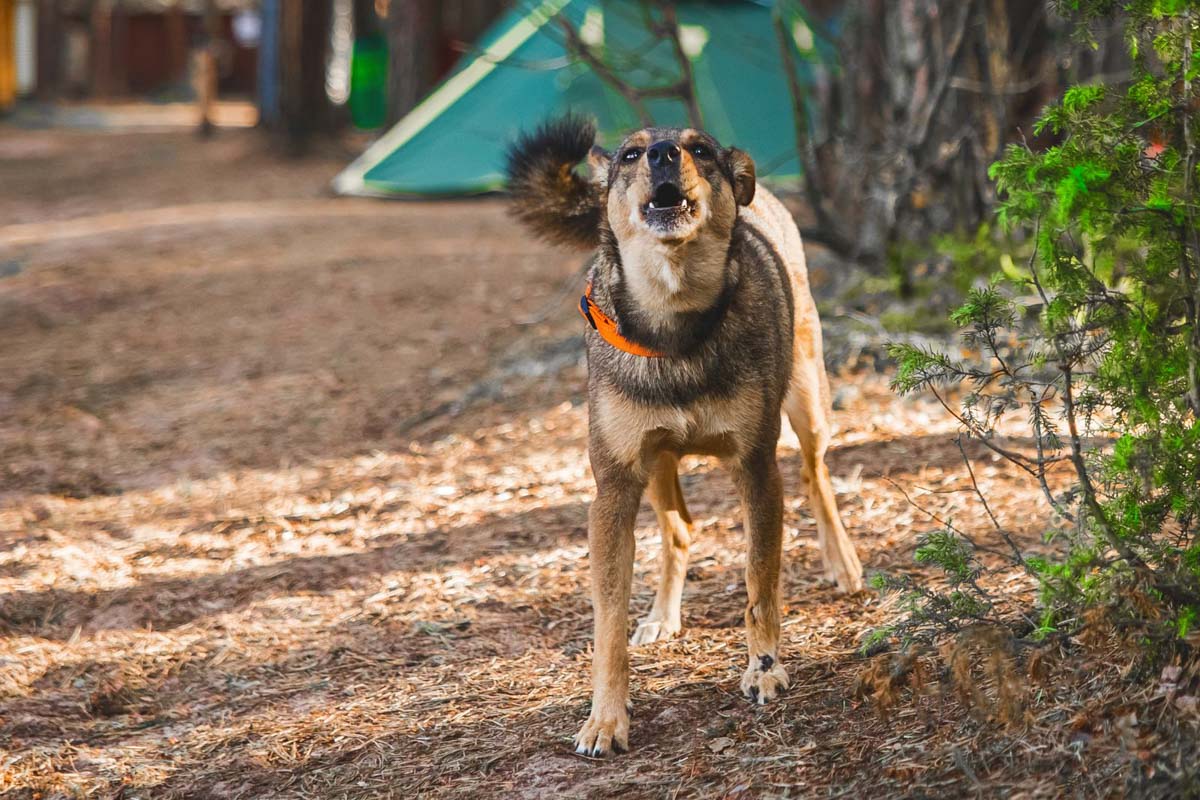
Howling Instead of Just Barking


Howling is one of the clearest holdovers from wolf communication. Wolves use howls to locate pack members, warn rivals, or signal their presence over long distances. When dogs howl at sirens, music, or even other dogs, they’re tapping into that same instinct.
Sleeping Close To Others


Wolves sleep together for warmth, protection, and bonding. Dogs still prefer to rest near their people or other pets for the same reasons. Even when your dog chooses the floor beside your bed instead of their own, that choice reflects pack behavior rather than comfort alone.
Turning In Circles Before Lying Down


That little spinning ritual before settling down comes straight from wolves preparing a safe sleeping spot. In the wild, circling flattened grass and checked for danger. Your dog doesn’t need to do that anymore, but the habit stuck.
Hiding Food Or Favorite Items


Wolves stash extra food to survive lean times. When your dog buries a bone, hides a toy, or tucks something under a cushion, they’re following the same logic. Even if they forget where it went, the urge to store resources remains deeply ingrained.
Guarding Valued Possessions


Resource guarding didn’t come from nowhere. Wolves that protected food survived. Dogs that grow tense around bowls, toys, or treats are acting on that ancient survival wiring. In a home setting, it’s something that can be managed, but the instinct itself is completely natural.
Following Scent Trails Obsessively


Wolves rely on scent to hunt, track, and understand territory. Dogs still experience the world primarily through smell. That’s why a short walk can take forever and why a single patch of grass can hold their full attention.
Fur Standing Up Along The Back


Raised hackles make an animal appear larger and more intimidating. Wolves use this reaction when they feel threatened or uncertain. Dogs do the same, even when the trigger seems harmless to us. It’s an automatic response tied to self-protection.
Marking The Same Spots Repeatedly

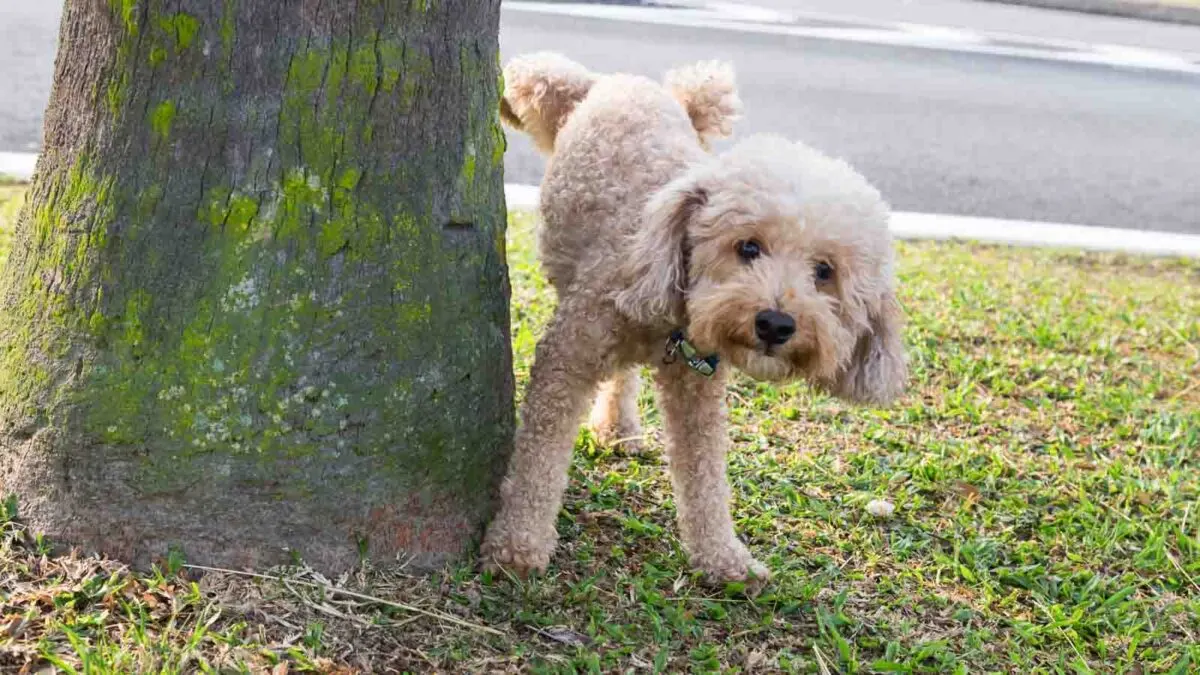
Territory marking is a direct wolf behavior. Dogs revisiting the same trees, posts, or corners isn’t about bathroom needs alone. They’re updating scent information and reinforcing boundaries, even in neighborhoods that feel anything but wild.
Chasing Anything That Moves


The urge to chase is rooted in hunting behavior. Wolves needed speed and focus to catch prey. Dogs channel that drive into squirrels, balls, bikes, or leaves blowing across the yard. The target has changed, but the instinct hasn’t.
Intense Staring Before Action


Wolves lock in visually before making a move. Dogs often do the same before chasing, playing, or reacting to something unfamiliar. That focused stare isn’t defiance or confusion. It’s a predatory pause built into their behavior.
Using Growls As Warnings

Growling serves as a clear boundary signal in wolf packs. Dogs growl for the same reason. It’s communication, not aggression. Ignoring or punishing it removes an important warning system that helps prevent escalation.
Carrying Objects Proudly


Wolves carry prey back to their pack. Dogs carry toys, sticks, shoes, or anything they consider valuable. It’s part instinct and part display. They aren’t being mischievous, they’re showing off what they’ve claimed.
Digging For Comfort Or Storage


Wolves dig dens for shelter, temperature control, and food storage. Dogs dig to cool off, create a resting spot, or satisfy an ingrained urge. Even indoor dogs retain this behavior because it once meant survival.
Rough Play That Mimics Hunting


Play fighting, chasing, and wrestling mirror wolf pack training behaviors. These actions taught young wolves coordination and social rules. Dogs still use play to practice movement, build bonds, and burn energy, even when no real hunting is involved.
Using Vocal Sounds To Stay Connected


Wolves rely on vocal signals to maintain pack structure. Dogs have adapted that system to humans through barking, whining, and other sounds. While dogs don’t howl exactly like wolves, the instinct to communicate vocally remains central to how they interact.
12 Domestic Dogs That Could Be Mistaken for Wolves


There’s no denying the ancestry when it comes to these dogs. With their wild looks and majestic presence, these breeds could easily be mistaken for their wolf ancestors. From thick, double coats to piercing eyes, these dogs possess features that make them look like they just stepped out of the wild.
Read it Here: 12 Domestic Dogs That Could Be Mistaken for Wolves
10 Dog Behaviors That Make No Sense To Humans


Living with a dog means accepting a world of quirky and downright baffling behaviors. From random zoomies to obsessive tail-chasing, dogs have a knack for keeping us entertained and confused in equal measure. Ever wondered why your pup decides to munch on grass like a cow or suddenly starts barking at thin air? You’re not alone. These oddball antics are just part of the package when you share your life with a canine companion.
Read it Here: 10 Dog Behaviors That Make No Sense To Humans
*Select images provided by Depositphotos.