

Europeans have a clear sense of what makes a great dog, and certain breeds have become staples across the continent. From city-friendly companions to hardworking rural dogs, these breeds have proven their popularity in a variety of settings. Some are classic favorites, while others might catch you off guard. Whether it’s their loyalty, intelligence, or easy-going nature, these dogs have earned their spot as Europe’s top choices.


French Bulldog


French Bulldogs have become a familiar sight in European cities because they fit neatly into urban life. Their compact size works well in apartments, and they don’t require hours of daily exercise to stay content. Owners tend to appreciate their social nature and their ability to settle into routines without much fuss. Across France, the UK, and many major cities, Frenchies are valued as steady companions rather than high-energy pets.
German Shepherd


German Shepherds appear in homes across Europe thanks to their reliability and adaptability. Many families choose them for their intelligence and strong sense of loyalty, especially in suburban or rural areas where space allows them to move and work. They respond well to structure and training, which makes them appealing to owners who want a dog with purpose as well as companionship. Their long-standing reputation across Germany and neighboring countries keeps them firmly popular.
Cocker Spaniel


Cocker Spaniels remain common in European homes because they strike a balance between family-friendly and active. They’re affectionate without being overwhelming and energetic without being unmanageable for most households. Owners appreciate their willingness to engage with children and adults alike. Their presence is especially noticeable in the UK, where they’ve long been part of everyday family life.
Dachshund


Dachshunds continue to show up in European homes due to their small size and confident personality. They adapt easily to apartment living but still enjoy regular walks and outdoor time. People often choose them because they bring a strong sense of character without needing large amounts of space. Their roots in Germany and long history as companions keep them widely represented across the continent.
Labrador Retriever


Labradors show up in so many European homes because they’re easy to live with in a very real, day-to-day way. They fit into family life without much drama no matter what continent they’re on, whether that means hanging out with kids, joining weekend walks, or just being around without needing constant attention. People trust Labs to be steady, friendly, and forgiving, which goes a long way when you want a dog that feels like part of the household rather than a project.
Border Collie


You’re most likely to see Border Collies in homes where people enjoy staying busy. These dogs need something to do, and owners who choose them usually know that going in. In rural areas or active households, they’re valued for their focus and responsiveness, especially by people who like training, long walks, or having a dog that really pays attention to them. They’re not for everyone, but in the right home, they fit like a glove.
Cavalier King Charles Spaniel


Cavaliers tend to end up with people who want a dog that’s happy just being close. They don’t need a packed schedule or constant stimulation to feel content. Many owners appreciate how easily they settle into quieter routines, whether that’s apartment living, slower mornings, or lots of couch time. They’re common across Europe because they adapt without asking much in return.
Bulldog


Bulldogs are often chosen by people who want companionship without a lot of physical demands. They’re not interested in marathon walks or busy days, which makes them appealing in cities and smaller homes. Owners tend to describe them as calm, stubborn in a funny way, and very attached to their people. You’ll see them everywhere because they match real-life routines rather than idealized ones.
Yorkshire Terrier


Yorkies pop up in European homes because they’re small but not forgettable. They fit easily into apartments and city life, yet they still act like they run the place. Many owners like that combination of manageable size and big personality. They’re alert, attached, and surprisingly confident, which makes them feel like more than just a tiny dog tagging along.
Belgian Malinois

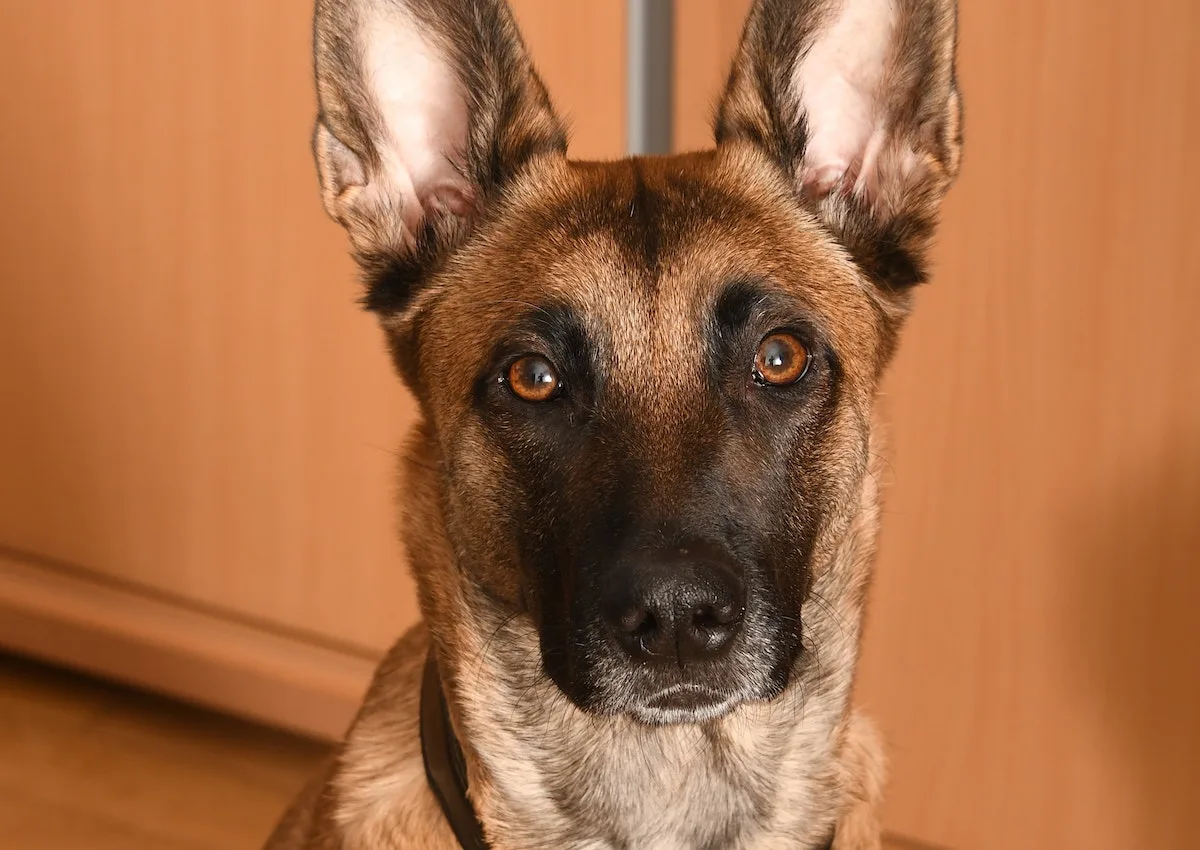
Malinois usually live with people who know exactly what they’re signing up for. These dogs need structure, training, and regular activity, and the homes they thrive in are prepared to give them all three. While they’re often associated with professional work, plenty of European households keep them as companions because they enjoy the challenge and intensity that comes with the breed. When their needs are met, they’re deeply loyal and engaged.
Golden Retriever


Golden Retrievers stay popular across Europe because they’re hard to live with badly. They tend to get along with everyone, handle changes in routine, and bring a steady, friendly presence into the home. Owners often talk about them as dogs that just make life easier rather than more complicated. That kind of reliability keeps them showing up in family homes year after year.
Top 10 Most Expensive Dog Breeds To Own


Owning a dog can be a wonderful experience, but some breeds come with a significantly higher price tag than others. Whether it’s due to their rarity, grooming needs, or health care requirements, these dogs are considered luxury pets. These are the most expensive dog breeds to own and what makes each of them uniquely costly.
Read it Here: Top 10 Most Expensive Dog Breeds To Own
You Can’t Own These 10 Dog Breeds In Certain Countries


When it comes to owning a dog, some breeds come with a lot of baggage—so much so that they’re banned in certain countries. These bans usually stem from concerns about aggression and safety. While you’ll recognize some names on this list, others might be more surprising. See which breeds’ reputations precede themselves around the world.
Read it Here: You Can’t Own These 10 Dog Breeds In Certain Countries