

Training a dog gets a whole lot easier once you figure out what actually motivates them, and as anyone knows, it’s usually food. Every dog owner knows the moment when their pup suddenly snaps to attention because you pulled out something they really care about. One second they’re ignoring you, the next they’re sitting straighter than a kid in a classroom with a substitute teacher. The right treat turns frustration into progress while training and makes the whole process feel like a team effort instead of a battle of wills. These foods are the ones dogs can’t resist, and they’ll help you get the focus and excitement you’ve been hoping for.


Small Pieces of Hot Dogs


Hot dogs are one of those foods dogs recognize the second the package opens. The smell alone sends most of them into full focus mode, which is why trainers have used them forever. When you slice them into tiny pieces, you get a high reward your dog will work hard for without filling them up too fast. If your dog usually checks out halfway through a session, some small pieces of hot dog should regain their attention quickly.
Cheese Cubes


Cheese feels like a luxury treat to dogs, which is why it works so well during anything that requires real concentration. A tiny cube can turn a distracted dog into one who’s watching your every move. It’s soft enough for quick eating, portable enough to bring anywhere, and tempting enough to keep their attention even when the world around them is busy. Some dogs will do their best work the second cheese comes out.
Boiled Chicken


Boiled chicken is simple, gentle on the stomach, and so appealing to dogs that many will forget the rest of the world exists as soon as they smell it. If you’ve ever roasted a chicken and wonder why your dog won’t leave the stove area, this is why. It’s great for nervous dogs who need something extra motivating to stay engaged. Cut it into small chunks and you’ll have a steady stream of rewards that keep the session moving. Most dogs will try a lot harder when chicken is involved.
Peanut Butter


Peanut butter works like magic for tasks that ask your dog to stay still or hold a position. A small spoonful keeps their focus steady and buys you time to practice skills that usually fall apart when they get impatient. It’s also a good option for dogs who don’t care much about traditional treats but perk up the second they smell peanut butter. Just make sure it’s free of anything unsafe before you use it like added sugars and oils.
Diced Turkey or Ham

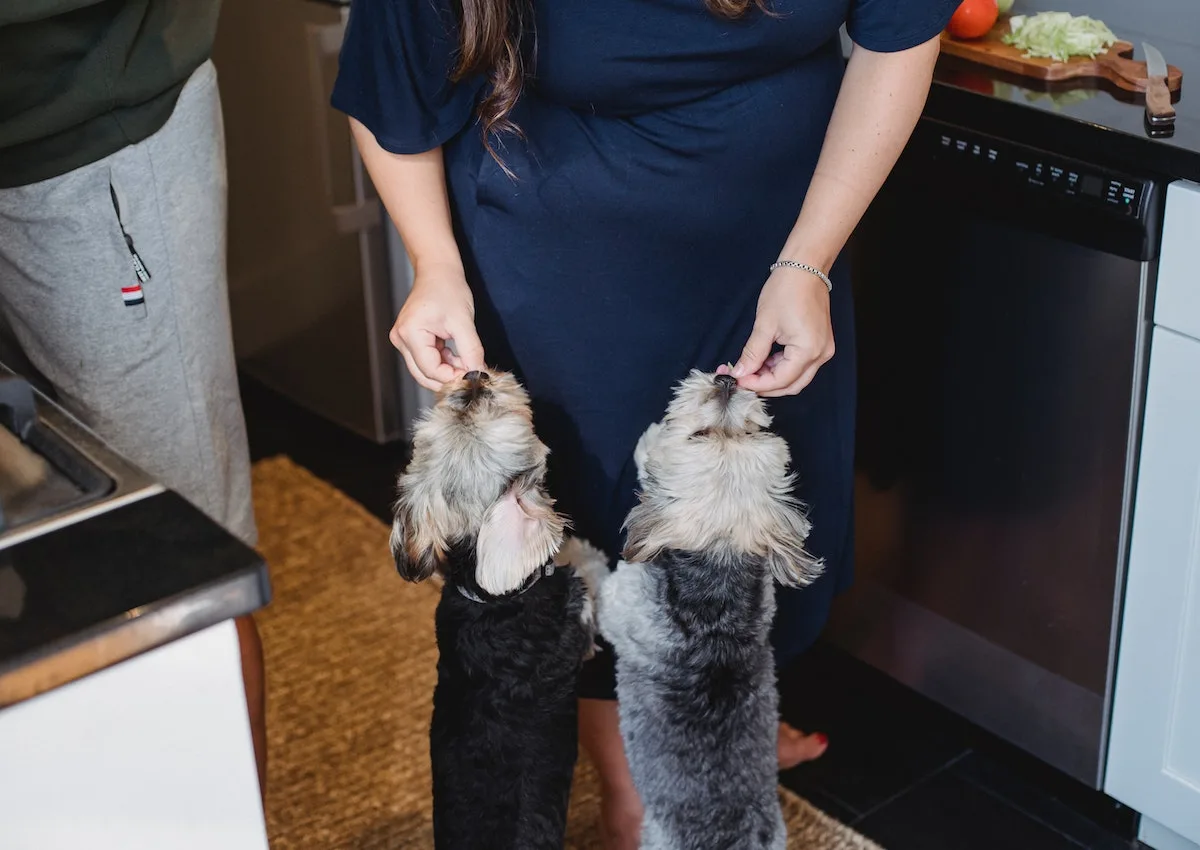
Fresh deli meat has a scent that carries across the room, which is exactly why dogs respond so fast to it. A few small pieces can turn a stubborn dog into one who suddenly decides commands are worth paying attention to. It’s best for short, high energy training moments where you want quick wins and strong engagement. Use small bites so the excitement stays high and the portions stay reasonable.
Baby Carrots


Carrots give dogs something crunchy to look forward to during training and they work surprisingly well for dogs who enjoy snacking but don’t need a lot of extra calories. The texture alone keeps them interested and the mild sweetness doesn’t overload them. They’re great for longer training sessions since you can hand out several without slowing your dog down or stuffing them full.
Apple Slices


Apple slices have a crisp bite that gets your dog excited without overwhelming their stomach. Most dogs enjoy the subtle sweetness and you can easily hand out small pieces as you move from one command to the next. They’re refreshing, clean to handle, and helpful for dogs who appreciate variety in their rewards. As long as the seeds are removed, apples make a solid, motivating training treat.
Cucumber Slices


Cucumbers are perfect for dogs who need light rewards that won’t take away their appetite. The cool crunch keeps them engaged and makes each bite feel different from the usual treats. They work well when it’s warm out or when your dog needs something hydrating and easy to eat. Even picky dogs often warm up to cucumbers once they realize they can grab them fast and get right back to training.
Banana Slices


Bananas are appealing to dogs who love softer textures and quick, sweet flavors. A few small slices can keep their motivation up, especially during calm or repetitive work that isn’t naturally exciting. Bananas also break up the usual treat routine and give you an option that feels more special to your dog.
Green Beans


Green beans work surprisingly well for training because they’re crunchy, low calorie, and easy to dole out in frequent bites. They’re perfect for dogs who want constant reinforcement but don’t need heavy treats every time they get something right. Dogs love the texture and you get a reward option that keeps them eager without overfeeding.
Plain Popcorn


Popcorn is light, quick to eat, and fun for dogs who enjoy chasing a small reward. The airy texture helps you keep the session moving since it doesn’t slow them down. It’s also a great option for dogs who like rewards they can snap up fast and keep working. As long as it’s plain, popcorn is perfect for training sessions.
Blueberries


Blueberries are small enough to toss one after another without interrupting the session, which makes them great for fast paced training. Dogs love the juicy pop and the novelty of something slightly sweet. They’re especially useful for dogs who get bored of the same treats quickly. A handful of blueberries can carry you through an entire session while keeping your dog eager to earn the next one.
Are You Making One of These 10 Common Dog Training Mistakes?


Training your dog can be challenging, especially if you’re making common mistakes without even realizing it. From inconsistent commands to not socializing enough, these missteps can slow down progress and create frustration for both you and your pup. Let’s go over some of the most common dog training mistakes and how you can avoid them to make the process smoother and more effective.
Read it Here: Are You Making One of These 10 Common Dog Training Mistakes?
10 Top Tips For Training Your Dog To Walk Off-Leash


Training your dog to walk off-leash can be incredibly rewarding, but it takes some patience and effort. The key is to ensure your dog listens to you even when distractions are high. From basic obedience to practicing recall, there are several steps to make off-leash walking safe and enjoyable. Here’s how you and your pup can master the skill.
Read it Here: 10 Top Tips For Training Your Dog To Walk Off-Leash