

There has been a lot of talk lately about cleaning up the human food system, and honestly, our pets could use some of that attention too. Dog food labels are packed with ingredients most people would never cook with, and half the time it feels like you need a translator just to figure out what is actually in the bag. Pet owners are more aware than ever of what goes into their own meals, so it makes sense to hold our dogs’ food to the same standard. The problem is that not every ingredient in commercial dog food is there for your dog’s benefit. Some of it is there to stretch out a recipe or make it look more appealing to humans. Knowing what should and should not be in the bowl can help you feed your dog with more confidence.


Artificial colors


Artificial dyes only make the food look better to you, not your dog. These colors can trigger reactions in sensitive dogs and add nothing useful to their diet. Most dogs don’t care what their food looks like, so when you see bright reds or yellows on the label, it usually means the manufacturer is trying to dress up a lower quality product. Sticking with foods that skip artificial coloring helps you avoid unnecessary additives and keeps the ingredient list focused on what actually matters.
Corn syrup


Corn syrup shows up in many budget dog foods because it’s cheap and makes the flavor sweeter, even though dogs don’t need added sugar. Too much sugar can lead to weight gain, dental issues and long-term metabolic problems. When you see corn syrup on the ingredient list, it’s a sign that the food relies more on sweetness than real nutrition. Choosing foods without added sugars helps keep your dog’s energy stable and their weight easier to manage.
Meat by products


Meat by products sound like a decent protein source but they’re often the leftovers most people wouldn’t want to feed their dog. They can include organs with nutritional value but they can also include parts that don’t offer the same quality protein as whole meat. Because the term is broad, it’s hard to know what you’re actually getting. Foods that use whole meat as the primary protein give you a clearer picture of what your dog is eating and usually support better long-term health.
BHA and BHT preservatives
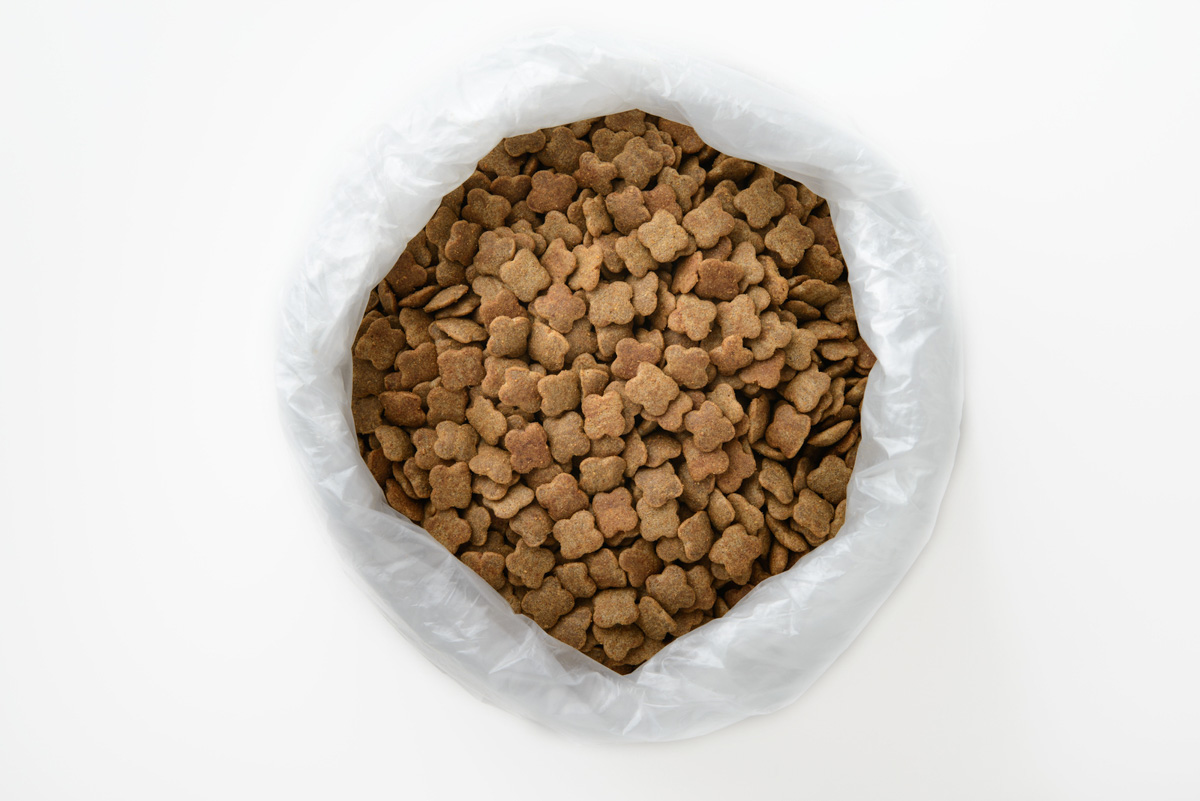

BHA and BHT extend shelf life but aren’t ingredients you want in a daily diet. They’ve raised safety concerns in studies involving animals, and many high-quality brands avoid them entirely. Dogs do better with natural preservatives like vitamin E that keep food fresh without adding unnecessary chemicals. When you choose products that skip synthetic preservatives, you’re choosing a cleaner and more transparent formula.
Propylene glycol


Propylene glycol helps keep food moist and fresh but it’s also found in industrial products, which is a red flag for many dog owners. While it’s permitted in small amounts, long-term exposure isn’t something most vets recommend. Some dogs can also experience red blood cell issues when they consume too much. If moisture is important to you, look for foods that use natural broth or real meat juices instead of synthetic additives.
Artificial flavors


Artificial flavors are used when a food doesn’t have enough real meat to smell or taste appealing on its own. Dogs may like the flavor boost but there’s no nutritional value behind it. These flavors can also irritate sensitive stomachs. Foods made with real meat and whole ingredients create natural flavor that dogs enjoy without relying on lab-made additives.
Corn and wheat fillers


Corn and wheat fillers bulk up dog food without providing meaningful nutrition. Some dogs struggle to digest them, which can cause bloating or gas. These fillers also take up space where higher quality carbs or proteins could go. When you choose foods with whole grains or nutrient-rich alternatives, your dog gets more fuel from every bite.
Soy ingredients


Soy shows up in many kibbles as a cheap protein replacement, but it’s not the best option for most dogs. Some develop allergies or digestive issues from soy-heavy diets. It can also affect hormone balance in certain situations. Look for foods that focus on animal-based proteins since they’re easier for dogs to digest and help maintain lean muscle.
Cellulose
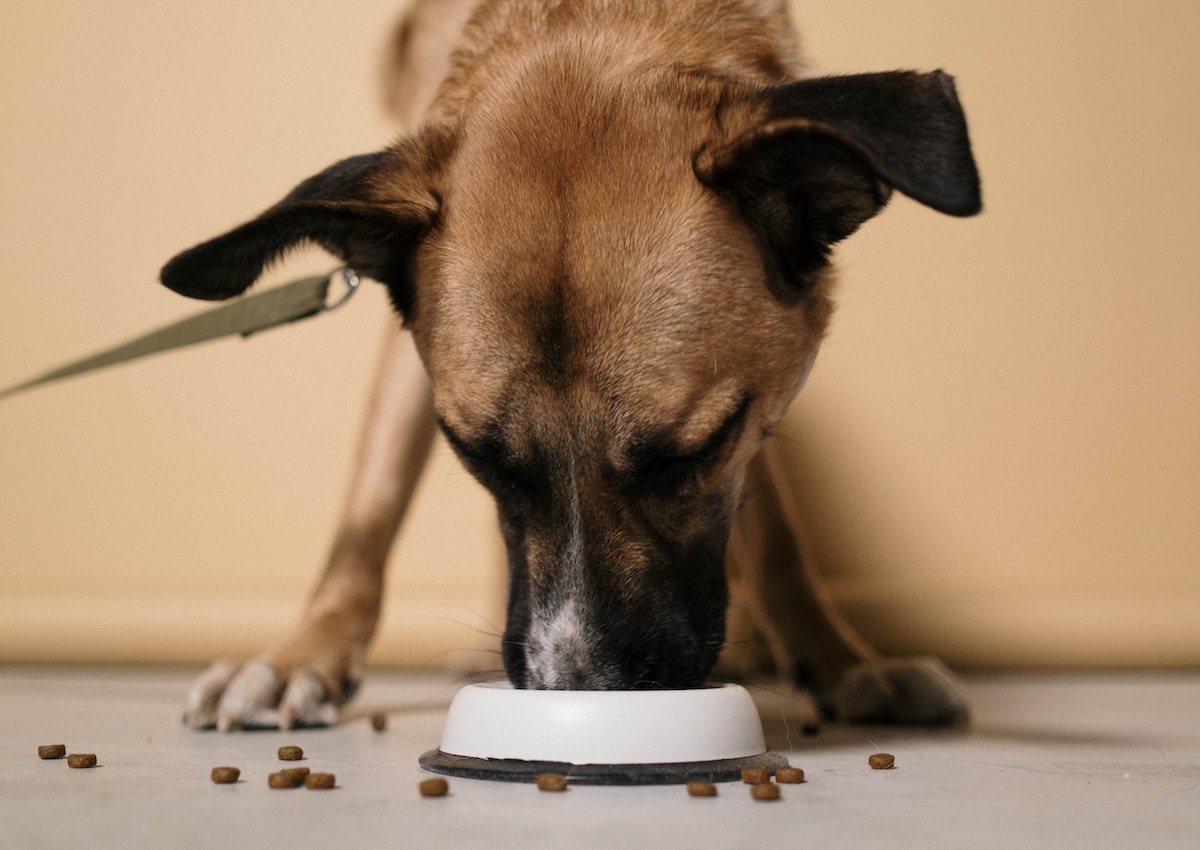

Cellulose is a fancy way of saying wood pulp. It’s used as a fiber source but doesn’t provide the same benefits as fiber from fruits and vegetables. While it can help with digestion in small amounts, it’s often added as filler in lower quality foods. Real plant fiber offers more nutrients and supports better digestion, so it’s worth choosing foods without heavy reliance on cellulose.
Sodium hexametaphosphate


Sodium hexametaphosphate is added to reduce tartar, but daily exposure isn’t the safest choice. It may help teeth short term yet can strain the kidneys or liver when fed regularly. Most dogs benefit more from brushing, dental treats and safe chew toys. If you want better dental health, look for options that support clean teeth without relying on synthetic chemicals.
10 Ways To Tell If You’re Feeding Your Dog The Right Amount Of Food


Knowing if you’re feeding your dog the right amount requires more than just filling a bowl; it’s a careful balance of nutritional needs and physical indicators. Proper feeding impacts everything from your dog’s energy levels and muscle tone to their overall health and behavior. Too few calories can lead to nutrient deficiencies, while overfeeding is a common cause of obesity, joint strain, and metabolic issues in dogs. Monitoring specific cues provides valuable insights into whether their dietary intake is truly meeting their needs. With the right feeding approach, you’re setting your dog up for a healthier, more balanced life.
Read it Here: 10 Ways To Tell If You’re Feeding Your Dog The Right Amount Of Food
7 Foods That Can Help Boost Your Dog’s Immune System


We all know feeding your dog “human food” can be a slippery slope, but not everything from your plate is off-limits. In fact, some foods can do wonders for your dog’s health, especially when it comes to boosting their immune system. While you should always be cautious about what you share with your four-legged friend, there are some healthy snacks that are just as good for them as they are for us.
Read it Here: 7 Foods That Can Help Boost Your Dog’s Immune System
*Select images provided by Depositphotos.