

If your dog has turned the coffee table into a chew toy, it can be frustrating and expensive. Dogs chew for many reasons including boredom, stress, and teething, and without guidance that habit can stick around. Chewing is a natural instinct, but you can redirect it with the right approach. With consistent training, well-chosen toys, and a few changes to daily routines, it’s possible to protect your furniture while giving your dog better ways to stay busy and relaxed.


Offer long-lasting chews


Keep a variety of tough, size-appropriate chews on hand so your dog always has something better than the furniture. Sturdy rubber bones, dense nylon toys, or natural chews like antlers and yak sticks can satisfy the urge to gnaw for hours. Rotate different textures and flavors every few days to keep interest high. Praise and treat your dog each time they choose a chew over a chair leg so they learn where it’s worth putting their teeth.
Make furniture taste like a bad idea


Turn tempting table legs and sofa arms into things your dog wants nothing to do with. Spray pet-safe bitter solutions on surfaces they like to chew and reapply often since the effect fades. The unpleasant flavor teaches them that furniture is off-limits. Pair this with rewards when they walk away from the sprayed spots so they connect toys and chews with positive feedback and leave the couch alone.
Burn off energy with daily exercise and games


A tired dog is far less likely to attack your furniture. Add extra walks, runs, or backyard play to your routine so they come home ready to rest. Mix in brain work like scent games or puzzle toys to give mental stimulation along with physical activity. Regular, engaging workouts reduce boredom and anxiety, two big reasons dogs chew what they shouldn’t.
Set up a cozy space for unsupervised time


When you can’t watch your dog, give them a safe spot where chewing on furniture isn’t an option. A crate or gated room stocked with a soft bed, water, and favorite toys creates a den that feels secure. Introduce the area gradually with treats and praise so it feels like a retreat rather than punishment. A calm, well-supplied space keeps them relaxed and busy when you’re away.
Reward good choices right away


Positive reinforcement works best when it’s instant. The moment your dog picks a chew toy instead of a chair leg, give praise, a treat, or a quick game of tug. Consistent, immediate rewards teach that chewing the right thing pays off. Over time, the habit of reaching for furniture fades as they learn that toys bring all the fun and attention.
Help anxious dogs feel more at ease


Some furniture chewing comes from stress or separation anxiety. Work on desensitizing them to your comings and goings and keep departures low-key. Pheromone diffusers, calming music, or natural supplements approved by your vet can also help. A relaxed dog has far less reason to chew for comfort.
Block off tempting spots when needed


If certain rooms or pieces of furniture are constant targets, make them off-limits until the habit changes. Baby gates, playpens, or rearranged furniture can keep your dog away from trouble areas. Limiting access breaks the cycle of chewing and gives training and positive reinforcement time to stick.
Teach a “leave it” or “off” command for control


A solid cue like “leave it” or “off” can stop furniture chewing on the spot. Start training with low distractions and high-value treats, rewarding them the moment they back away. Practice daily and gradually introduce real furniture as the challenge. This command becomes a reliable tool whenever temptation strikes.
Provide daily mental enrichment to prevent boredom


Many dogs chew simply because they have nothing better to do. Add sniff-and-find games, short obedience sessions, or trick training throughout the day to keep their minds active. A mentally stimulated dog is calmer and less likely to look for entertainment by shredding the arm of your sofa.
8 Solutions for Dogs Who Destroy Their Toys


If you’ve ever handed your dog a new toy, only to watch it get obliterated within minutes, you’re definitely not the first. It feels like no matter how “tough” the label claims to be, your pup finds a way to test the limits. Instead of constantly buying replacements, though, there are better ways to keep your dog entertained without sacrificing your sanity (or wallet).
Read it Here: 8 Solutions for Dogs Who Destroy Their Toys
9 Smart Strategies To Deal With A Dog That Hates Bath Time

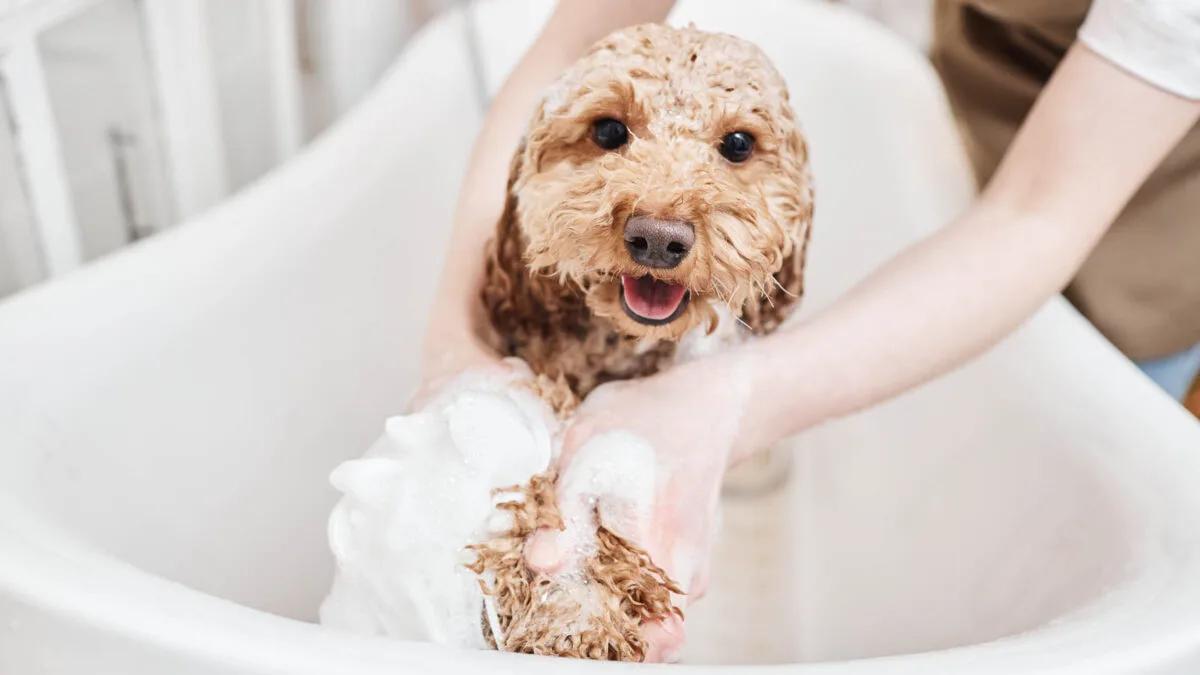
Giving a dog a bath can feel like trying to wrestle a greased pig. If your dog’s more into rolling in dirt than getting clean, bath time is probably a battle. But before you end up soaked and your dog’s still dirty, there are a few tricks to make things easier. With the right strategies, you might even get through the whole process without getting drenched.
Read it Here: 9 Smart Strategies To Deal With A Dog That Hates Bath Time
*Select images provided by Depositphotos.