


It doesn’t take much to turn a sweet dog into a demanding one. A few small habits that feel loving in the moment can add up to bigger problems over time. What starts as harmless indulgence can shift the balance of who’s in charge until your dog is calling the shots. If your pup is starting to act more like a boss than a companion, it may be time to look at the ways you’re feeding into the behavior without even realizing it.


Treats have become a free-for-all


When snacks flow nonstop your dog learns rewards don’t need to be earned. Instead of motivating good behavior, treats become an expectation for existing. That constant snacking not only builds entitlement but also adds up to weight gain and long-term health risks. Treats work best when they’re a special reward, not a daily currency.
Rules don’t seem to apply anymore


If you let barking, jumping, or ignoring commands slide, your dog quickly figures out that the rules aren’t serious. What starts as a little disobedience can snowball into full-on defiance. Dogs thrive when boundaries are clear and steady, and when those boundaries shift they step in and make their own.
Your bed has turned into their throne


Letting your dog take over your bed feels cozy at first but it can change the balance of who’s in charge. Once they decide the mattress is theirs, moving them becomes a fight and guarding behavior often follows. On top of that, your sleep suffers while your dog stretches out like royalty.
Dinner plates have become community property

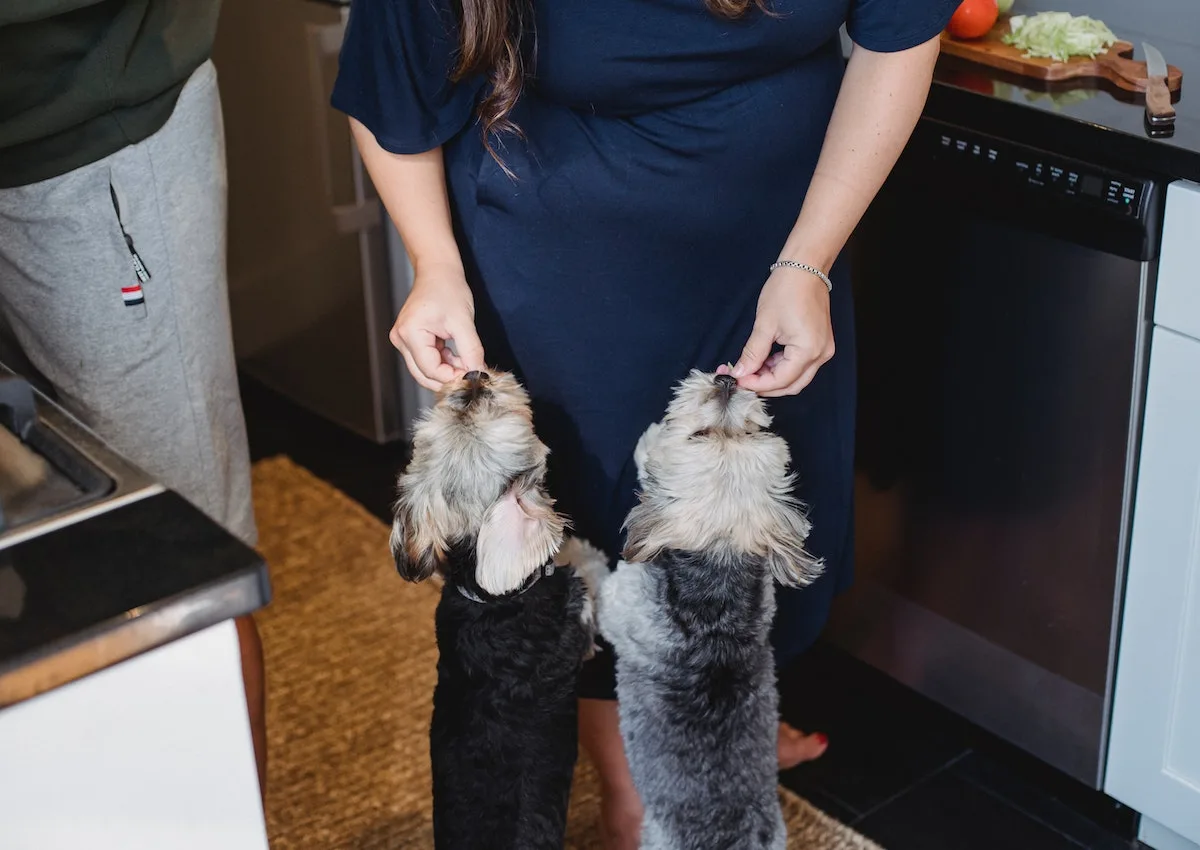
Sharing table scraps might look harmless but it teaches your dog to expect a seat at every meal. Before long they’re begging at the table, pawing at your legs, and demanding food whenever you eat. Many human foods are unhealthy or even dangerous for dogs, so this habit builds entitlement and risk at the same time.
You carry them instead of letting them walk


Constantly scooping up a small dog may look cute but it robs them of independence. Dogs need to explore, walk, and build confidence on their own four legs. When they’re carried everywhere they become reliant on you and less able to handle new environments. Over time it creates a clingy pet that struggles without you.
Bad habits are brushed off as adorable


Laughing at chewing, barking, or pawing because it looks “cute” only encourages the behavior. Your dog doesn’t know the difference between funny and destructive, they only know they’re not being stopped. Habits that go unchecked early become deeply rooted and far harder to correct down the road.
They have unlimited access to toys


When every toy is available all the time, your dog stops valuing them. They cycle through quickly, get bored, and look for new outlets that may include tearing up furniture or shoes. Rotating toys instead keeps them novel and keeps your dog engaged without creating a spoiled sense of entitlement.
House rules change by the day


One day the couch is allowed, the next it isn’t. That kind of inconsistency leaves dogs confused and gives them an opening to test boundaries. Clear, steady rules show them exactly where they stand, while shifting rules push them to take control. Consistency is what prevents chaos.
They demand your attention 24/7


When every nudge, whine, or paw gets immediate attention your dog learns that they run the show. This constant need for interaction creates dependence and can make them anxious or destructive when you’re gone. Teaching them how to be content alone builds confidence and balance.
Pampering has gone overboard


Spa treatments, gourmet meals, and endless outfits may sound fun but they build unrealistic expectations. Dogs that get accustomed to luxury start believing it’s the norm and can melt down when the pampering stops. Occasional spoiling is fine, but when it turns into a lifestyle you’ve created a high-maintenance little tyrant.
10 Reasons Why Your Dog Doesn’t Belong in Your Bed


Letting your dog sleep in your bed might seem like the ultimate bonding experience, but it can come with some serious downsides. What starts as a cozy cuddle can quickly turn into a nightly struggle, with more consequences than you might expect. From sleep disruptions to unexpected behavioral shifts, there’s more to consider than just sharing your pillow. If you think having your pup in bed is all about warmth and companionship, you might want to think again.
Read it Here: 10 Reasons Why Your Dog Doesn’t Belong in Your Bed
10 Adorable Dog Behaviors That Actually Mean Something Serious


Dogs have their own unique ways of communicating with us through their behaviors. From head tilts to tail chasing, these actions are more than just adorable; they often have deeper meanings. Understanding what these behaviors signify can give you valuable insights into your dog’s health and emotions.
Read it Here: 10 Adorable Dog Behaviors That Actually Mean Something Serious