


Some dogs pick things up quickly and make training look easy. These dogs are not that. They’re stubborn, intense, and often come with behaviors that test even experienced owners. From constant barking to full-blown defiance, they require structure, patience, and a whole lot of consistency. Without it, things can go sideways fast. If you’ve got one of these breeds, chances are you’ve already considered calling in backup.


Fila Brasileiro


The Fila Brasileiro is not a dog for casual owners. Their intense loyalty often turns into extreme protectiveness, which can quickly escalate into aggressive behavior around strangers or unfamiliar dogs. They require consistent socialization and a firm handler who knows how to set boundaries and hold them. Without that structure, they become difficult and potentially dangerous to manage.
Chihuahua


Chihuahuas get away with bad behavior because of their size, but they’re one of the most stubborn dogs out there. They bark constantly, guard their favorite humans like territory, and often snap at strangers or other pets. They need the same consistent training as any large dog, and without it, they can turn into aggressive little tyrants with zero boundaries.
Korean Jindo

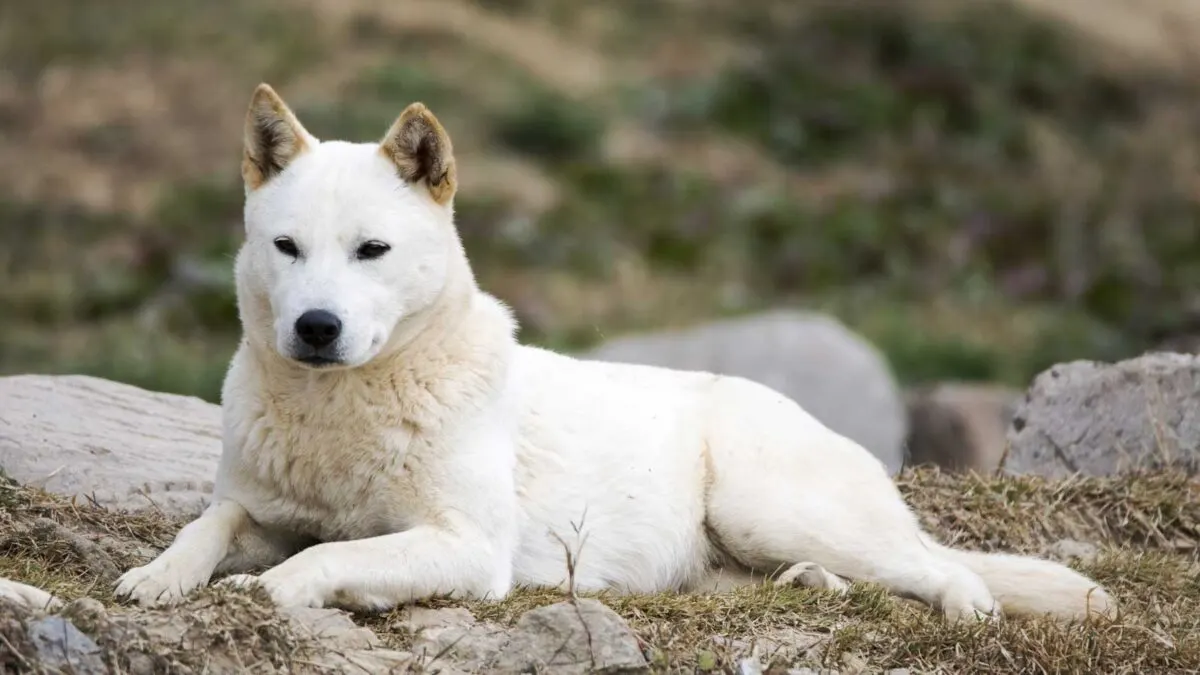
Jindos are deeply loyal to one person and mostly indifferent to everyone else. Their independence makes them difficult to train, and their prey drive adds another layer of complication. Getting them to follow commands consistently takes a ton of time and repetition. They don’t work well in busy households, especially those with other animals.
Dachshund


Dachshunds may be small, but their behavior is anything but easy. They’re vocal, bossy, and prone to digging and guarding. They often resist housebreaking and refuse to come when called. Trainers see a lot of them for barking issues and anxiety, usually because their strong-willed nature was underestimated from the start.
Yorkshire Terrier


Yorkies are bold, dramatic, and more difficult to train than most people expect. They bark at everything and love to be in charge. They often resist house training and struggle with separation anxiety if not properly managed early on. These dogs may be small, but they take up a lot of space behaviorally.
Canaan Dog


Canaan Dogs are highly intelligent and incredibly self-directed. They get bored quickly and often push back against authority. They can become territorial or reactive if not socialized early and consistently. Training them takes creativity, confidence, and a willingness to stay one step ahead.
Jack Russell Terrier


Jack Russells need a full-time job and an owner with energy to match. Without both, they become destructive and hard to manage. Their intelligence makes them trainable, but they rarely choose obedience unless there’s something in it for them. Trainers often get called in when the dog starts tearing up the house or chasing everything that moves.
Tibetan Mastiff


Tibetan Mastiffs are massive, independent, and protective. They don’t trust easily and rarely respond to commands unless they respect the person giving them. Training these dogs takes time, firmness, and a deep understanding of how to build mutual trust. Without clear leadership, they’re nearly impossible to control in public.
Weimaraner


Weimaraners have energy to burn and a high-maintenance emotional streak. They hate being left alone and often destroy furniture or bark non-stop when they feel abandoned. Their clingy nature, paired with their intelligence, creates constant training challenges. They need structure and stimulation to stay sane.
Bulldog
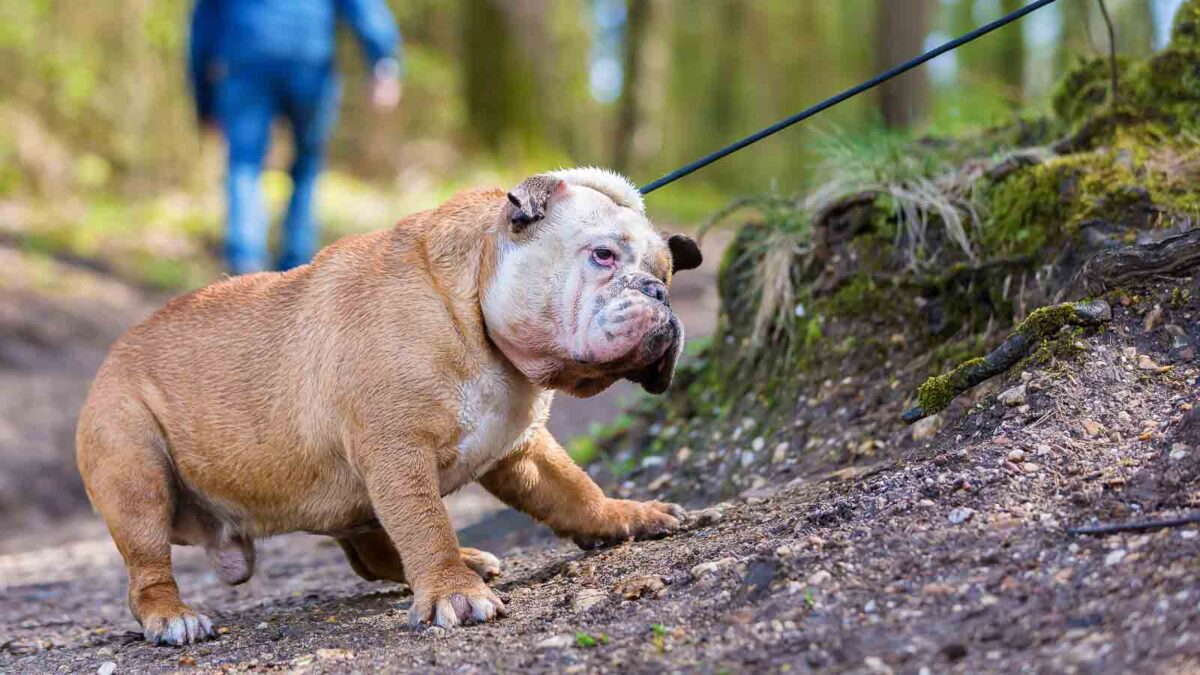

Bulldogs are charming but impossibly stubborn. They know what you want and often choose not to do it. Getting them to move, follow basic commands, or stick to a routine can feel like a standoff. Their laziness hides the fact that training them takes serious patience and persistence.
Basenji


Basenjis are clever, fast, and completely uninterested in doing things your way. They don’t bark, but they do vocalize and escape at every opportunity. Their independence and prey drive make them tough to contain. Trainers often have to get creative just to get their attention.
Pekingese
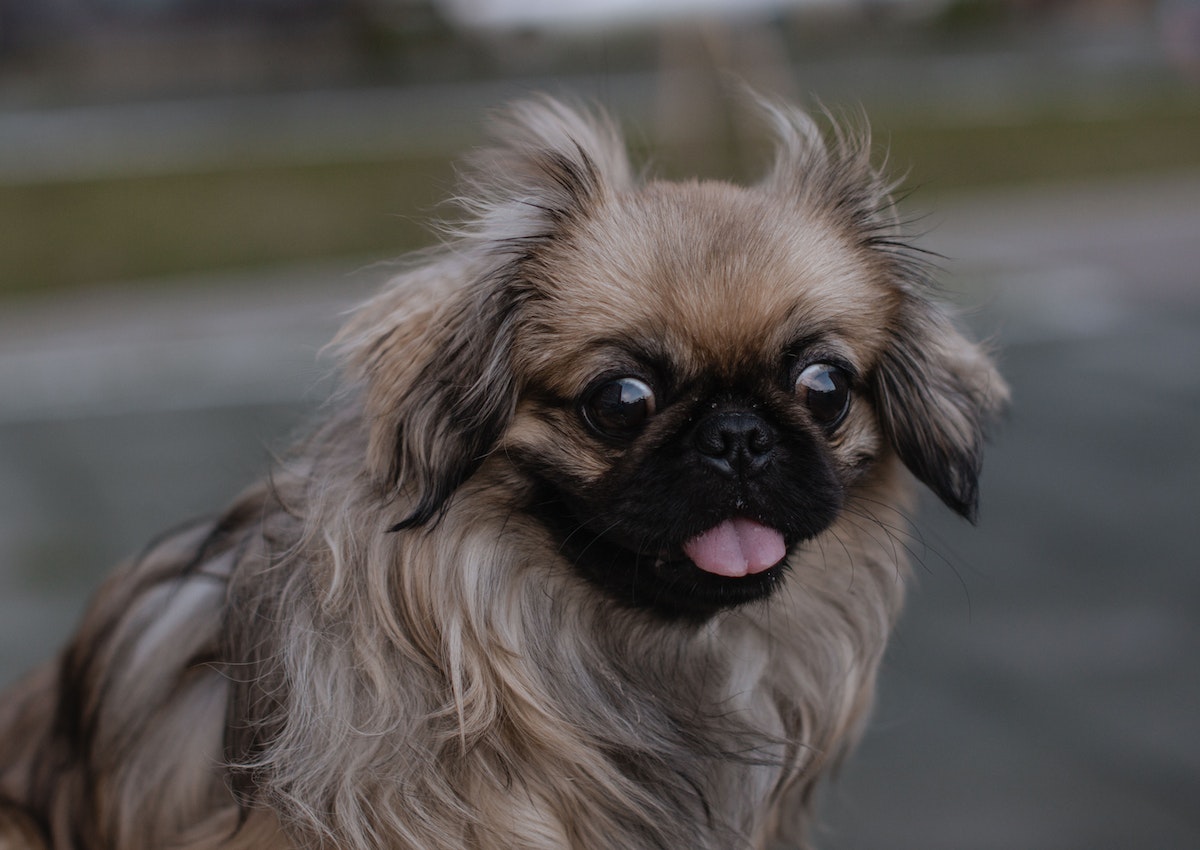

Pekingese act like they were born to be in charge. They’re opinionated, resistant to authority, and often lash out when they don’t get what they want. These dogs require consistent, respectful training that balances firm boundaries with a gentle approach. If you try to push too hard, they push right back.
Beagle


Beagles follow their nose, not your voice. They tune out commands the second they catch a scent and have little interest in coming back. Their loud howls, stubborn streak, and tendency to dig or bolt make them regulars in obedience classes. They’re lovable, but they make you earn it.
Dalmatian

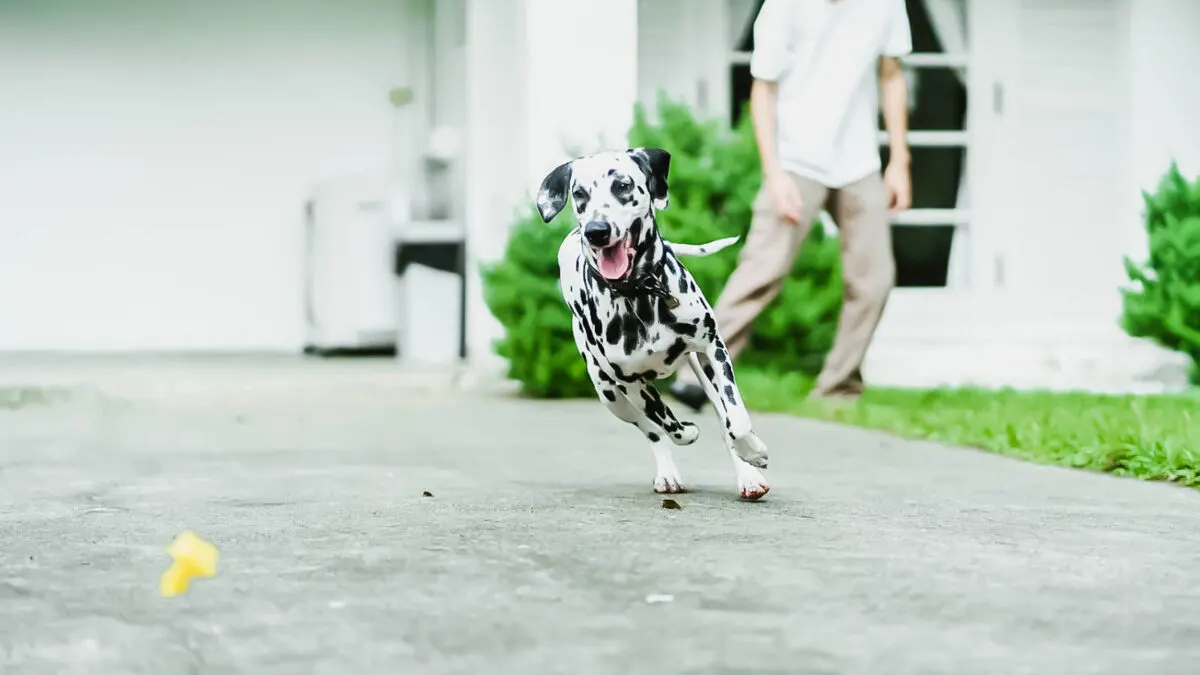
Dalmatians have high energy and a mind of their own. Without enough exercise and mental engagement, they get destructive fast. They don’t respond well to inconsistent routines or impatient handlers. These dogs need a job, a schedule, and someone who doesn’t cave the first time they test the rules.
Cocker Spaniel


Cocker Spaniels look sweet but can be emotionally reactive and difficult to socialize. Without early, positive training, they can develop anxiety and fear-based aggression. They’re sensitive dogs who need structure and calm reinforcement, not scolding or inconsistency. Left unmanaged, they become withdrawn or snappy.
How To Clicker Train A Dog Using Positive Reinforcement


Clicker training is a popular and effective method for teaching young and old dogs new behaviors and commands using positive reinforcement. By using a clicker — a small handheld device that makes a distinct clicking sound — you can communicate with your dog and reward desired behaviors precisely.
Read it Here: How To Clicker Train A Dog With Positive Reinforcement
15 Dogs That Practically Train Themselves


Training a dog can be a challenge, but some breeds make it a whole lot easier. These dogs are smart and eager to please, making them quick learners. Whether you’re a first-time dog owner or just want a pup that’s easy to work with, these breeds will make you feel like a training pro. They range from playful companions to diligent workers, but each is an absolute dream to train and a well-trained pup makes life so much easier.
Read it Here: 15 Dogs That Practically Train Themselves
*Select images provided by Depositphotos.