


Bringing home a rescue dog can feel a little like adopting a stranger and hoping it all works out. They don’t know your rules, your routine, or that the couch isn’t a chew toy. The first few weeks can be a mix of sweet moments, confusion, and second-guessing everything. It takes time for them to settle in and for you to figure out what they need. These tips will help make the first month a little easier and a lot less chaotic. You’ll still have work to do, but at least you won’t be guessing your way through it.


Give Them Time to Adjust


The first few days in a new home can be overwhelming for a rescue dog. Everything from smells to routines to people is unfamiliar. Avoid rushing introductions or expecting immediate comfort. Let your dog explore the space at their own pace and give them a quiet area where they can retreat when they feel unsure. Patience goes a long way during this initial adjustment period.
Don’t Expect Perfect Behavior Right Away


Even adult dogs might need help with house training, leash manners, or basic commands. Some may have never lived indoors or followed any kind of routine. Start small with clear, consistent expectations and reward the behaviors you want to see. Training in the first month should focus on building trust, not perfection. Progress might be slow, but it matters more than speed.
Schedule a Vet Visit Sooner Than Later
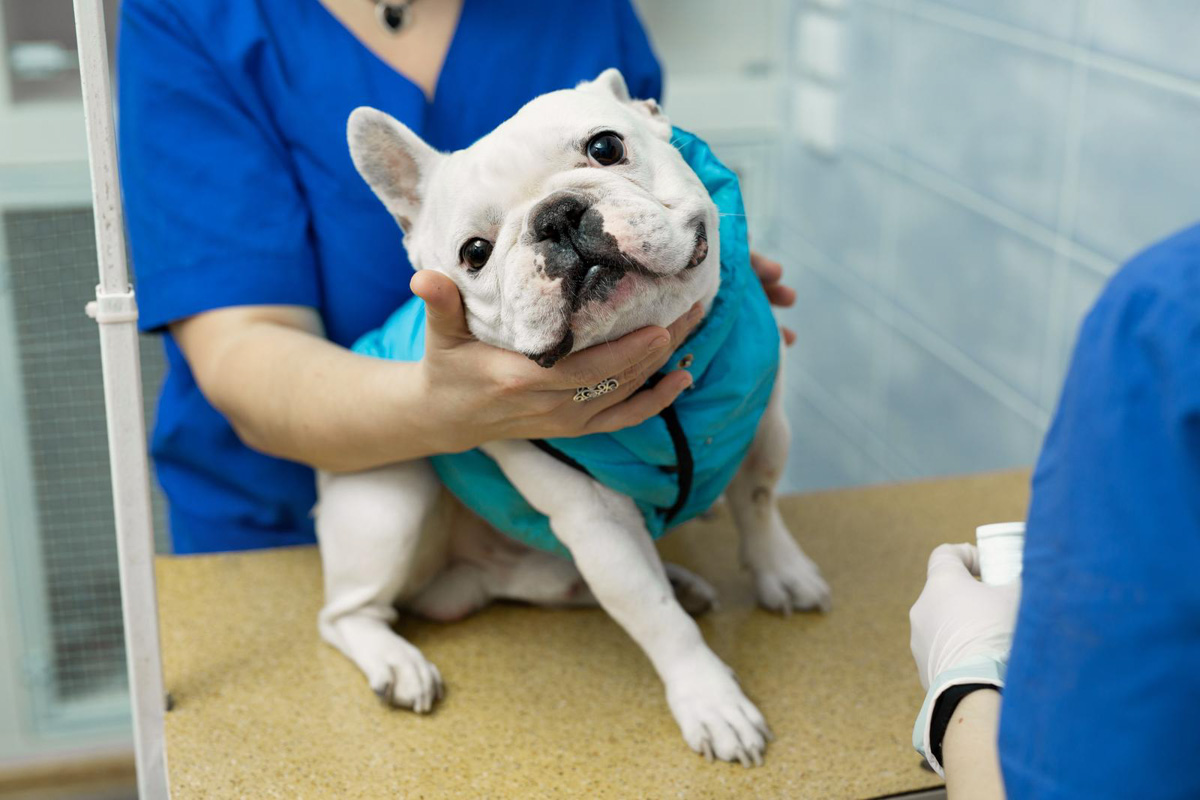
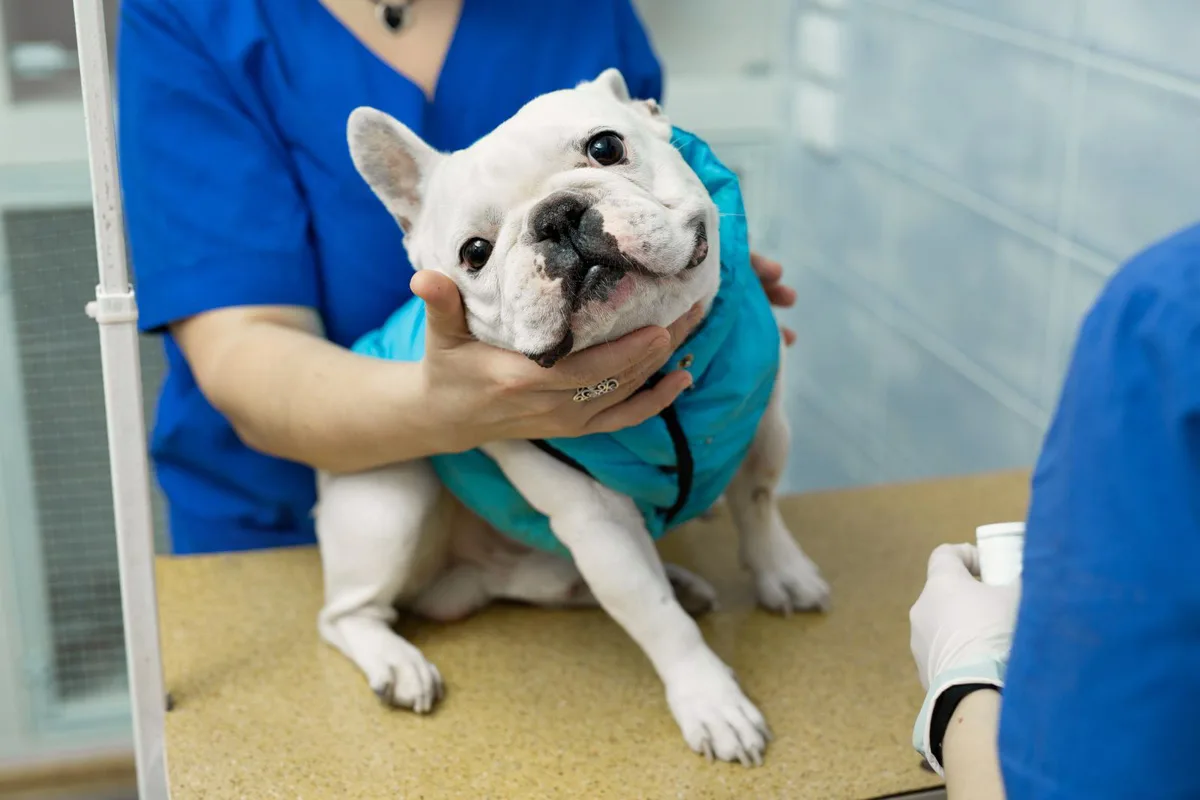
Book a veterinary appointment within the first week, even if your rescue appears healthy. They need a full check-up, up-to-date vaccinations, and possibly treatment for hidden issues like parasites or dental problems. This also gives you a chance to ask questions about their diet, exercise needs, or any early warning signs to watch for.
Stick to a Predictable Routine


Dogs feel more secure when they know what to expect. Feed them at the same times each day, keep walk times consistent, and limit sudden changes in their environment. Routine helps reduce anxiety and gives your dog a sense of control in a world that probably still feels very uncertain. Stability early on helps set the tone for long-term behavior.
Start Building a Training Foundation
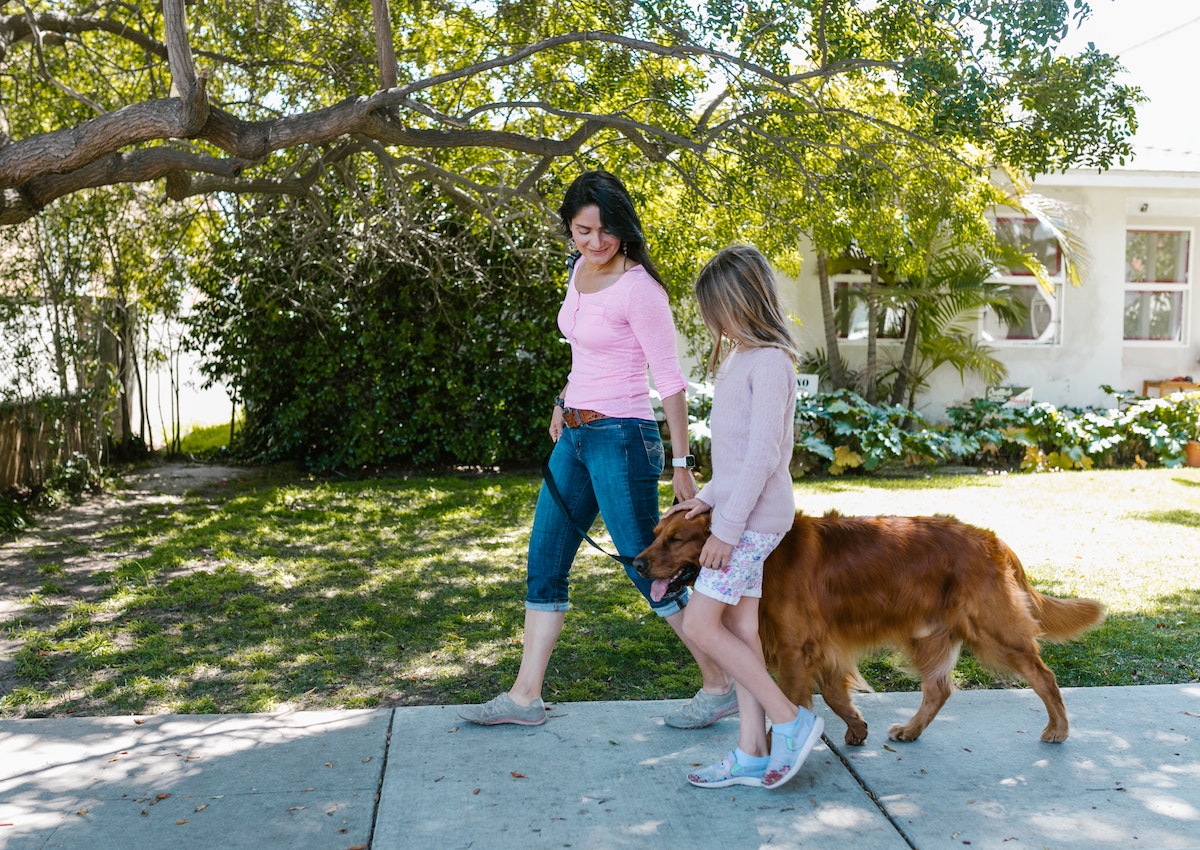
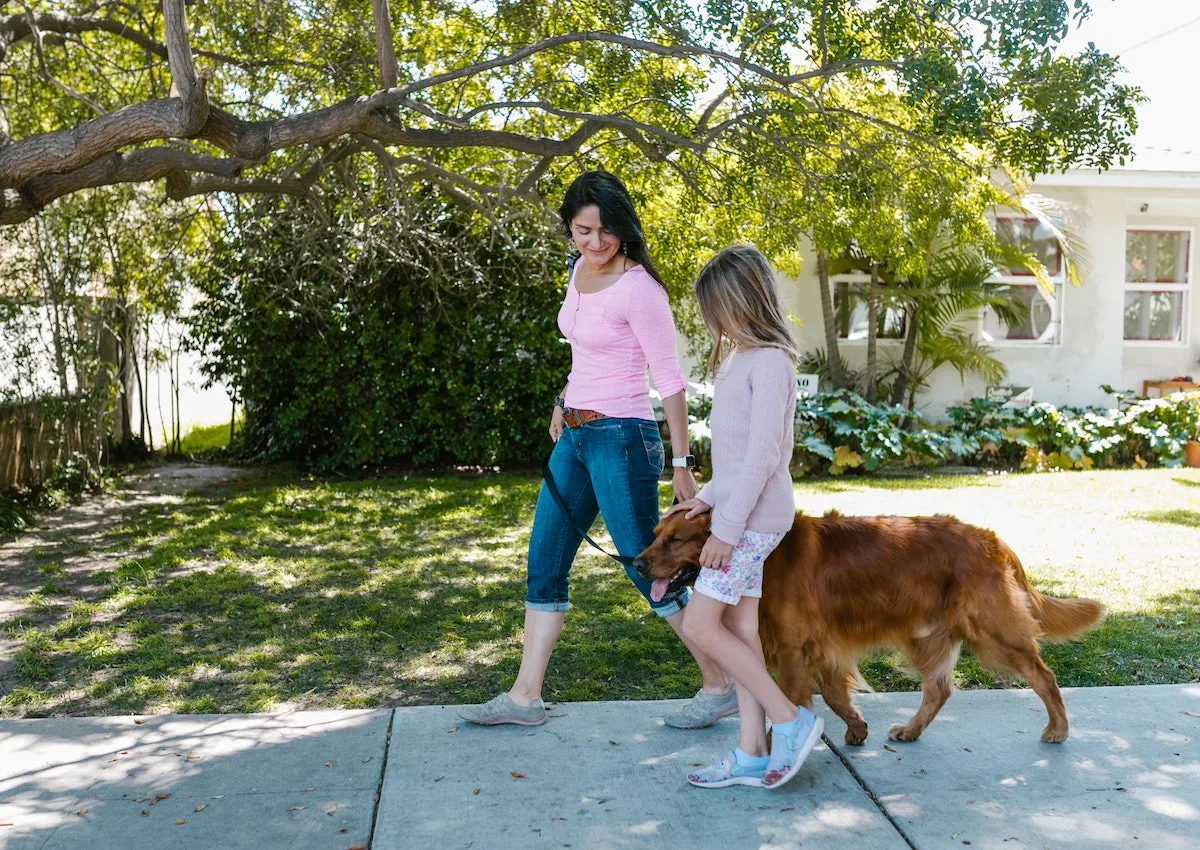
You don’t need to teach everything at once, but basic training should begin in the first few weeks. Start with simple commands like sit, stay, and come. Keep sessions short and positive, and use plenty of treats and praise. Training is about more than behavior, it’s also one of the best ways to build a bond and help your dog feel confident in their new home.
Offer Toys and Activities That Engage Their Brain


Mental stimulation is just as important as physical exercise, especially in the early days when outdoor time might be limited. Try puzzle toys, slow feeders, or hide-and-seek games around the house. Keeping their mind busy helps reduce stress, prevents boredom, and can ease the transition into a more structured home life.
Create a Safe and Comfortable Home Setup


Before bringing your rescue home, take time to prep your space. Remove any hazards like loose wires or accessible food, block off unsafe areas, and make sure they have a designated spot to sleep that is calm and away from busy foot traffic. A safe environment helps your dog relax and start to understand where they belong.
Pay Attention to Body Language and Behavior


Your dog might not be able to tell you how they’re feeling, but they’re always communicating. Watch for signs of stress like pacing, excessive licking, or avoiding eye contact. These small cues can help you adjust your approach if something is overwhelming. Learning how your dog responds to different situations builds mutual understanding from the start.
Make Time for Quiet Bonding


The first month is less about doing everything right and more about building trust. Spend quiet time together without expecting much. Sit nearby while they rest, speak in a calm voice, and let them come to you when they’re ready. You don’t need constant action to form a connection. Comfort and calmness are powerful tools during this early phase.
Think Beyond the First Month


While the initial weeks are important, they’re just the beginning. Be realistic about the long-term commitment and recognize that some challenges may show up later as your dog becomes more comfortable. Keep showing up, keep learning, and stay consistent. With time and patience, the relationship you build will be worth every ounce of effort.
10 Tips For Managing Your Dog’s Separation Anxiety


If your dog gets anxious when you leave, you’re not alone. Many pet owners face the challenge of managing their dog’s separation anxiety. It can be tough seeing your best friend distressed, but there are effective ways to help them cope. Let’s walk through some practical tips to ease your dog’s anxiety and make your departures less stressful for both of you.
Read it Here: 10 Tips For Managing Your Dog’s Separation Anxiety
12 Dogs That Are Always The Last To Be Adopted


Walking into a shelter can be heartbreaking, especially when you notice certain dogs always seem to get left behind. Despite their charm and love, some breeds just don’t get the attention they deserve. Maybe it’s their misunderstood reputation or unique needs, but these pups often find themselves waiting longer for a forever home. Hopefully shining a light on these lovable canines will change the situation.
Read it Here: 12 Dogs That Are Always The Last To Be Adopted
*Select images provided by Depositphotos.