


Dogs are constantly sending messages, even when they’re not making a sound. They react to the world around them with a mix of subtle moves and clear intentions. You might think they’re just being cute or weird, but a lot of it actually means something. Learning to notice the way they interact without noise opens up a whole new way to connect.


Tail Wagging


Your dog’s tail is basically a built-in mood detector. A high, quick wag often means excitement, like when you come home or grab the leash. A slow, uncertain wag can show nervousness, while a stiff, upright tail might mean your dog is on high alert. And if the tail disappears under the belly, they’re probably feeling scared or submissive. Watching how the tail moves and where it’s positioned can tell you exactly how your dog feels without a single sound.
Ear Position


Your dog’s ears are constantly tuning into the world and reacting to it. When the ears are perked up and angled forward, your dog is focused and probably curious about something. Ears pulled back tightly against the head usually signal fear or discomfort. With floppy-eared breeds, the cues can be more subtle, but small shifts still offer clues. Pay attention to how their ears respond to tone, movement, or unfamiliar people to understand what’s going on in their head.
Eye Contact
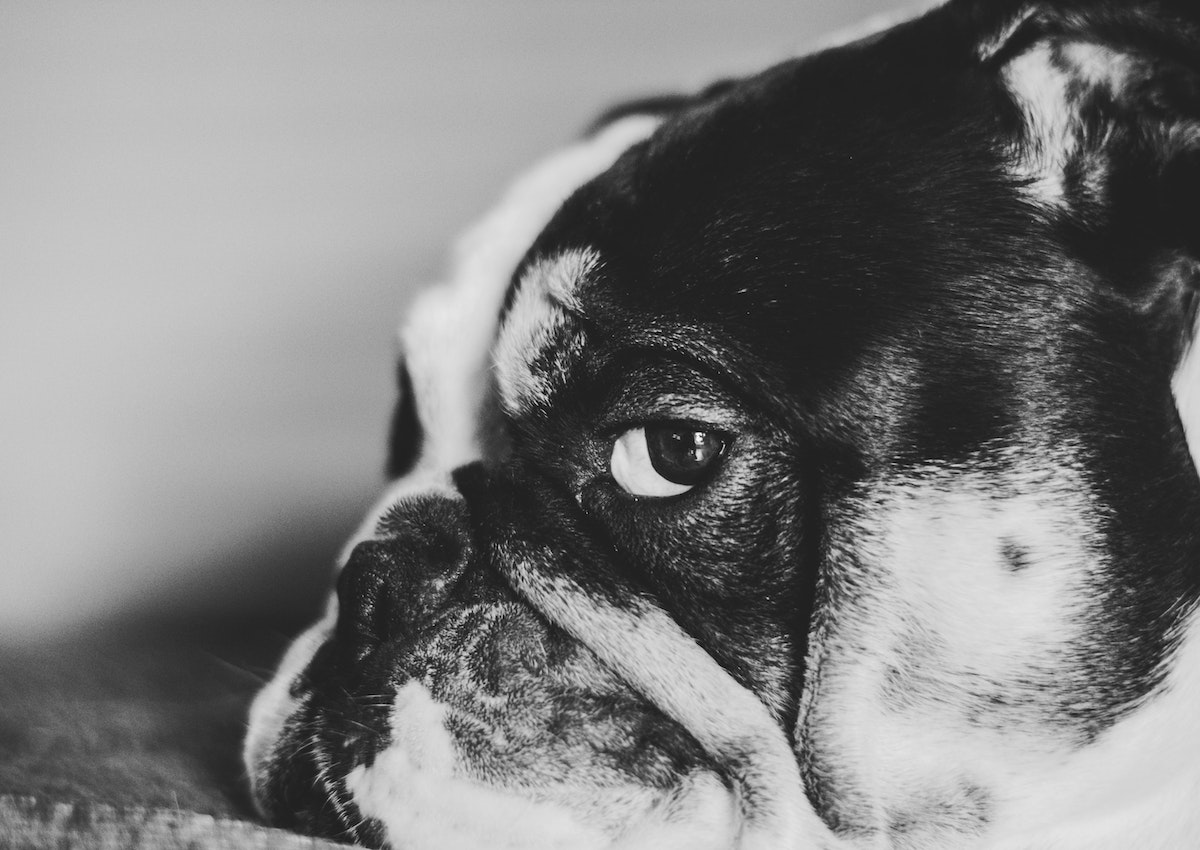

Dogs use their eyes to send all kinds of messages. A soft gaze paired with slow blinks often means they feel relaxed and safe around you. If your dog holds eye contact in a calm way, that can show trust and affection. On the flip side, a hard stare can be a warning, and some dogs will avoid eye contact altogether if they feel anxious or unsure. Their eyes give you real-time updates on their comfort level, and the more you notice the difference, the better you’ll understand them.
Licking


Licking is about more than just affection. It can be a way your dog shows respect, comfort, or even stress. A quick lick on your hand might be their version of a check-in, while constant licking can signal anxiety or a need for reassurance. Puppies lick their mothers and littermates to bond, and adult dogs often carry that into their interactions with people. It’s a behavior that can mean different things depending on context, so it’s worth paying attention to when and why they do it.
Body Posture


How your dog holds their body tells you a lot about what they’re feeling. A loose, wiggly stance usually means they’re happy and comfortable. If they’re stiff and leaning forward, they might feel threatened or unsure. A dog that lowers their body or shrinks back could be signaling fear. Everything from their weight distribution to how they position their legs can be part of the message. Body posture works like a full-body sentence, and once you learn to read it, you’ll start noticing patterns you missed before.
Play Bow


That classic pose where a dog stretches their front legs forward and keeps their rear in the air is more than cute. It’s a clear signal that they’re feeling playful and want to engage. Dogs use the play bow to let others know they’re just having fun, not picking a fight. It’s their way of saying “let’s go” with total clarity. You’ll often see it at the start of roughhousing or when your dog wants attention in the most charming way possible.
Pawing


When your dog taps you with a paw, they’re not just being cute. They’re asking for something. It might be attention, playtime, food, or a head rub, but that paw is their way of opening the conversation. Some dogs are more insistent than others and will keep tapping until they get what they want. This physical gesture is deliberate and usually paired with an expectant look. It’s one of the clearest ways your dog says, “Hey, pay attention to me.”
Yawning


Yawning isn’t always about being tired. Dogs yawn in new or tense situations to calm themselves or signal discomfort. You might notice it during a vet visit or when a stranger reaches out to pet them. It’s a subtle sign of stress that’s easy to overlook. Dogs will also yawn if you do, showing how closely they mirror our behavior. Understanding when a yawn means more than sleepiness can help you respond to your dog with more awareness.
Rolling Over


When a dog rolls over and shows their belly, it usually signals trust. They’re exposing a vulnerable part of their body, which they wouldn’t do unless they felt safe. In some cases, it’s a submission cue used to de-escalate tension with other dogs or people. But if they roll over and stay relaxed, especially around you, it’s often an open invitation for attention or belly rubs. Reading the context is key to knowing what they’re trying to say.
Sniffing


Sniffing isn’t just about curiosity. It’s how dogs collect information about the world around them. Every scent tells a story, whether it’s who walked by, what they ate, or how they’re feeling. Dogs use their noses like we use our phones. They’re checking updates, learning about their surroundings, and even calming themselves down during stressful situations. A dog that’s busy sniffing is engaged, focused, and taking in their environment in a way that goes way beyond what we can detect.
12 Strange Ways Your Dog Tries To Communicate With You Every Day


Dogs have a way of making their thoughts known, even without words. Every look, movement, and sound serves a purpose. Some signals are easy to understand, while others seem random or totally strange. They pay attention, react, and find ways to get a message across, even when you are not expecting it. The meaning behind their actions is there if you know what to look for.
Read it Here: 12 Strange Ways Your Dog Tries To Communicate With You Every Day
Meet 11 Dog Breeds That Love To “Talk”


Some breeds are known for their nonstop vocalizations, turning every moment into a conversation. Whether they’re barking, howling, or making quirky noises, these dogs love to express themselves. Meet the canine chatterboxes that keep the conversation going and never miss a chance to speak their minds.
Read it Here: Meet 11 Dog Breeds That Love To “Talk”