

Most people have a general idea of what police dogs do, but the reality is a lot more complex than it seems. These dogs take on jobs that are specialized, intense and often nothing like what you’d expect. It’s not all bite work and drug busts. The training is precise, the assignments are serious and the skill level is off the charts. There’s a reason these dogs are treated like full members of the team. What they’re actually trained to do might surprise you.

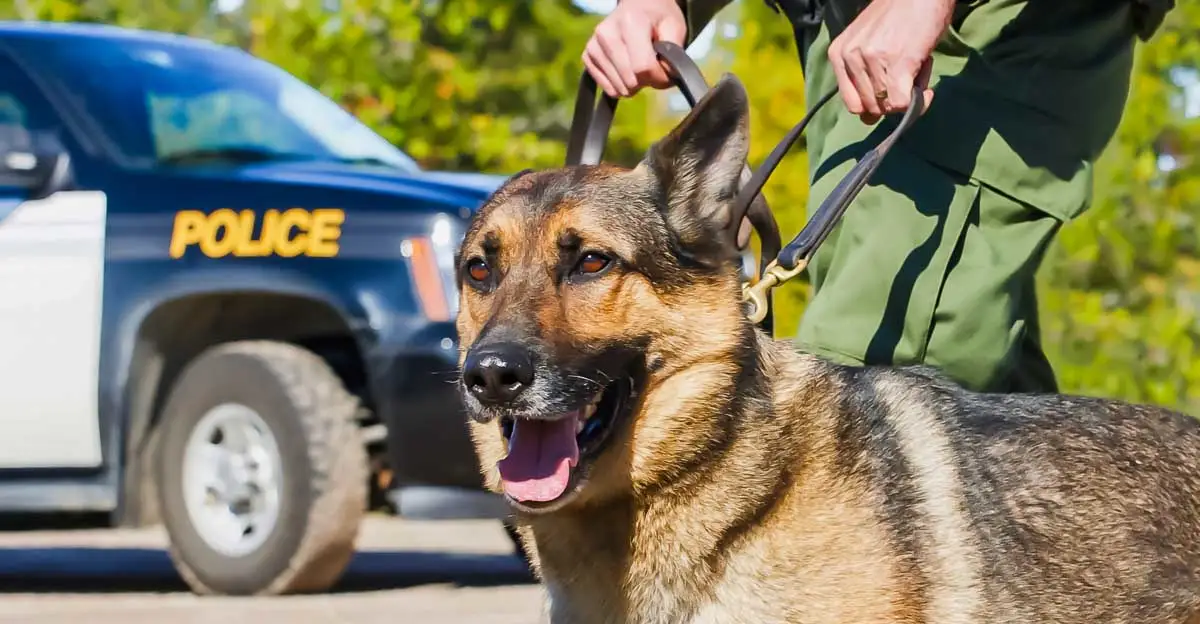
Electronics Detection

Some dogs are trained to find hidden electronic devices such as USB drives, SD cards and cell phones. They detect chemical compounds found in the hardware components. These dogs often assist in child exploitation and cybercrime investigations by locating concealed digital evidence that humans might miss.
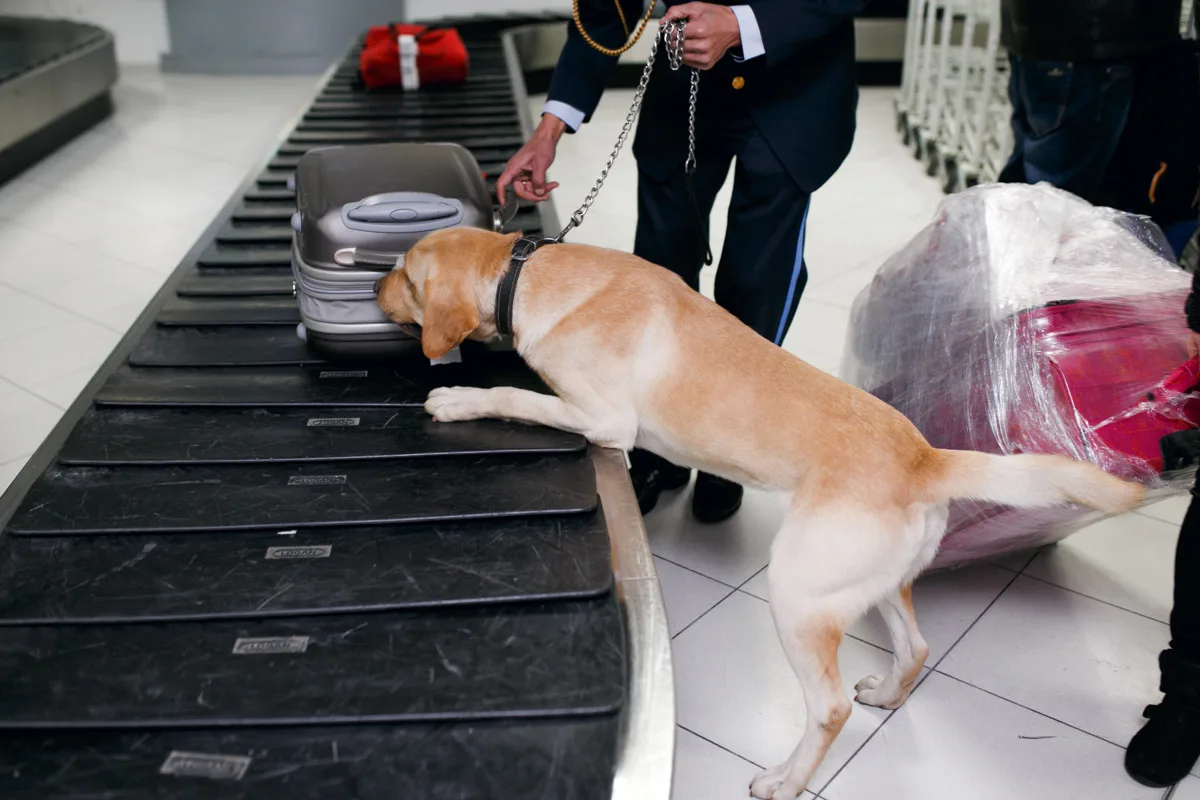
Currency Detection

Police dogs can be trained to detect the ink and paper used in large amounts of currency. This helps law enforcement uncover hidden cash in drug trafficking and money laundering cases. These dogs work alongside federal agencies during raids, airport checks and undercover operations.
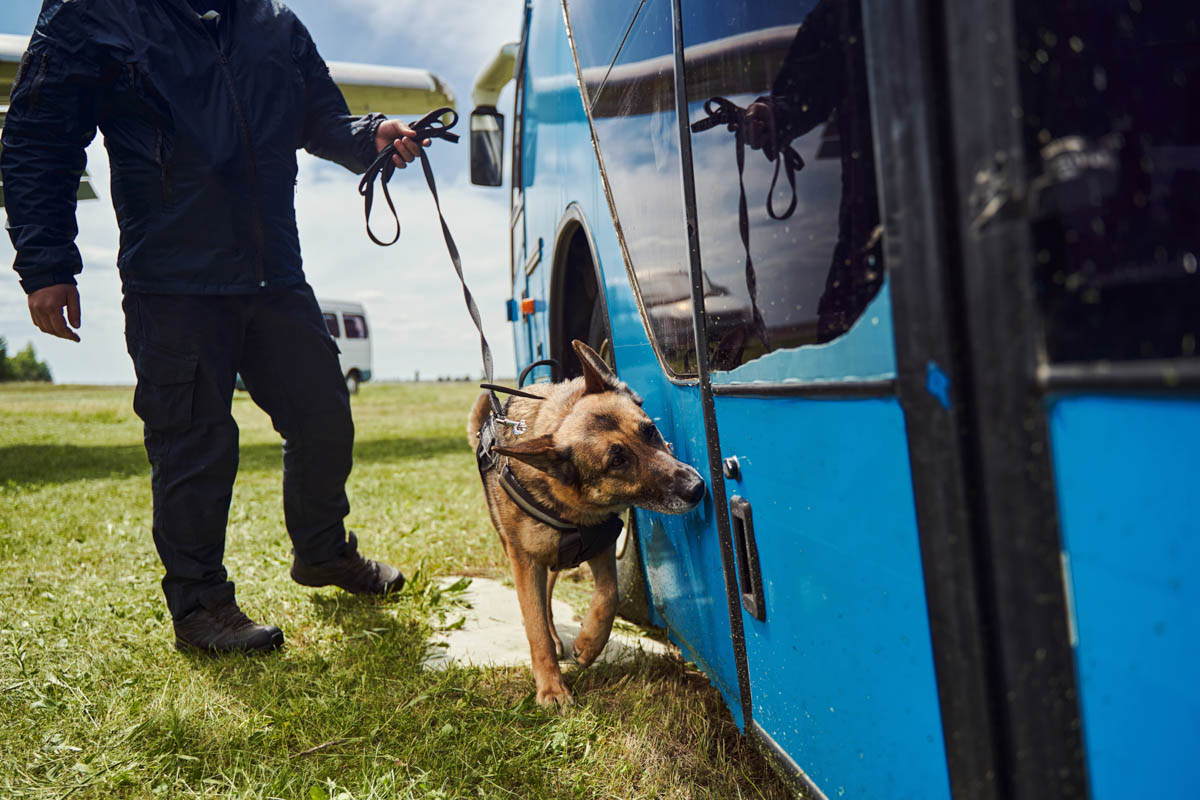
Human Remains Detection
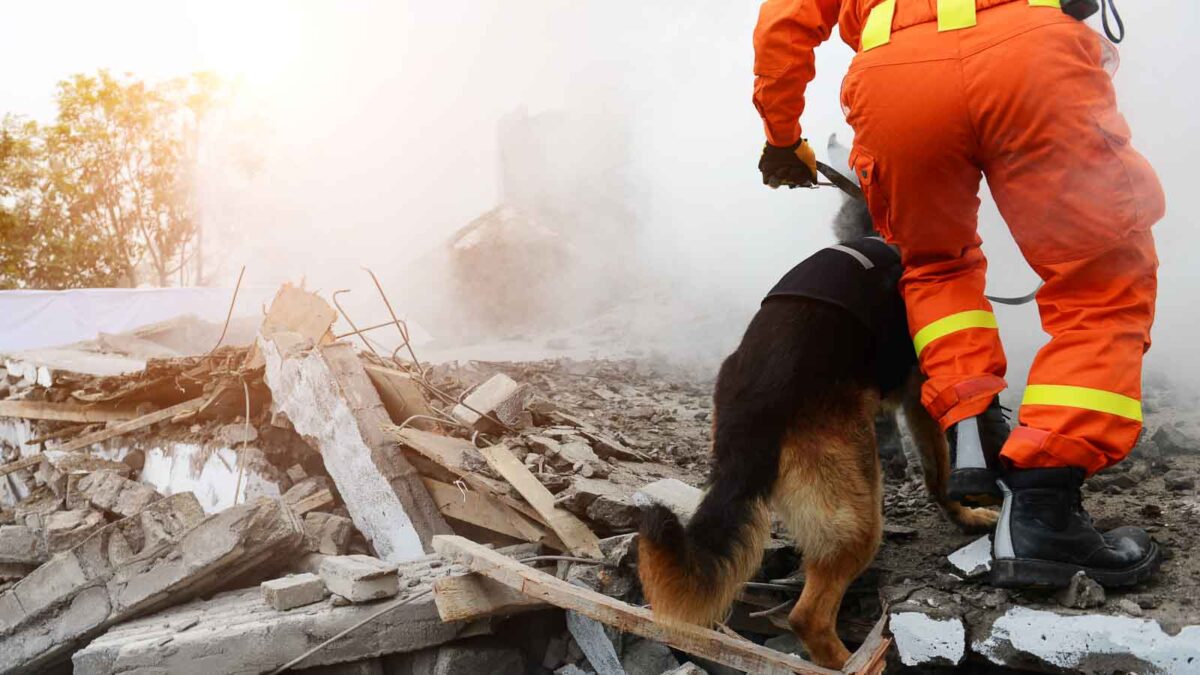

Cadaver dogs are trained to locate decomposing human tissue in a wide range of environments. They assist in homicide investigations, natural disasters and missing persons cases. Their scent work can lead investigators to remains buried underground or submerged in water.
Tracking Fugitives


Many police dogs learn how to track the unique scent of an individual across various terrains. They are used to follow fleeing suspects, locate lost hikers or identify the direction someone has traveled. These dogs often work when other tools fail, especially in dense forests or remote areas.
Search and Rescue


Unlike suspect tracking, these dogs focus on finding missing people in disaster zones, wilderness areas or collapsed buildings. They are trained to work in difficult conditions and help first responders locate survivors faster. Their ability to cover large areas quickly makes them valuable in time-sensitive rescues.
Arson Investigation

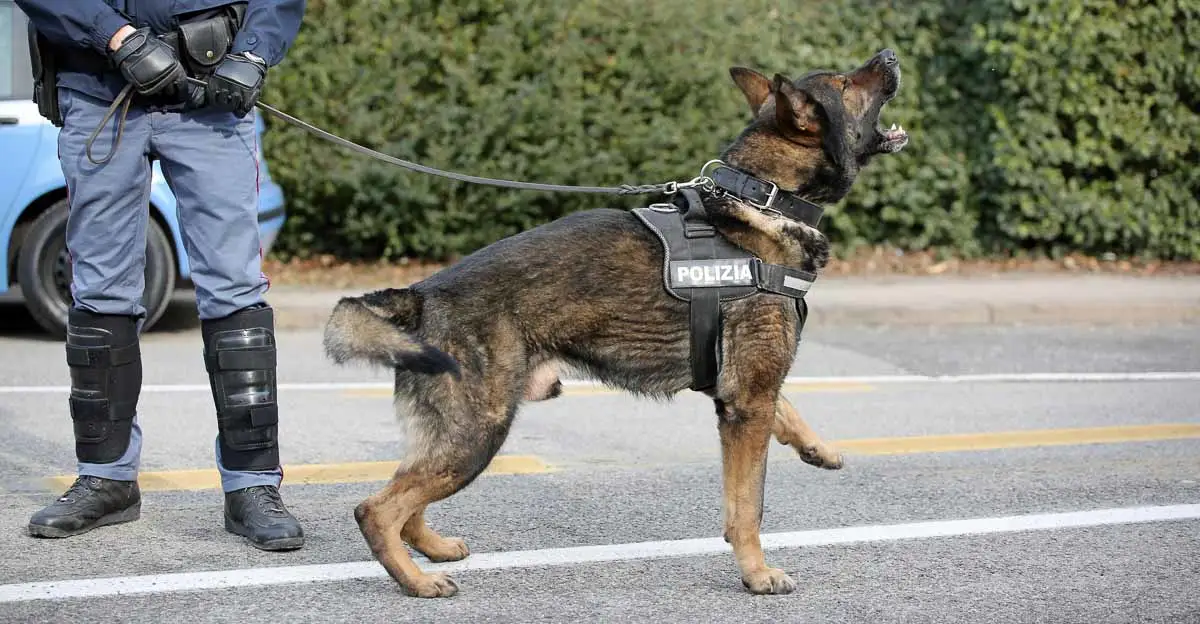
Some dogs are trained to detect accelerants such as gasoline or lighter fluid used to start fires. They work closely with fire marshals and insurance investigators to determine if a fire was intentional. Their nose can often identify trace amounts of chemicals long after the fire is extinguished.
Jail and Prison Security

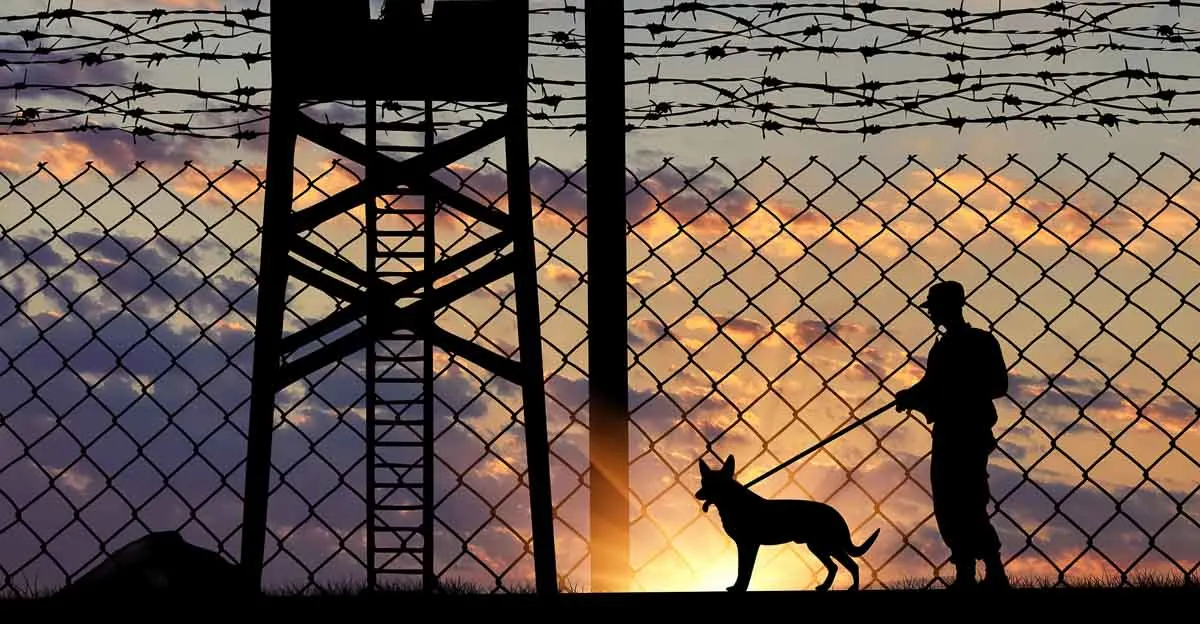
Correctional facilities use dogs to detect contraband such as drugs, phones and weapons hidden by inmates. These dogs regularly sweep cells, mail and visitation areas. Their presence can deter smuggling and increase overall security within the facility.
Explosives Detection
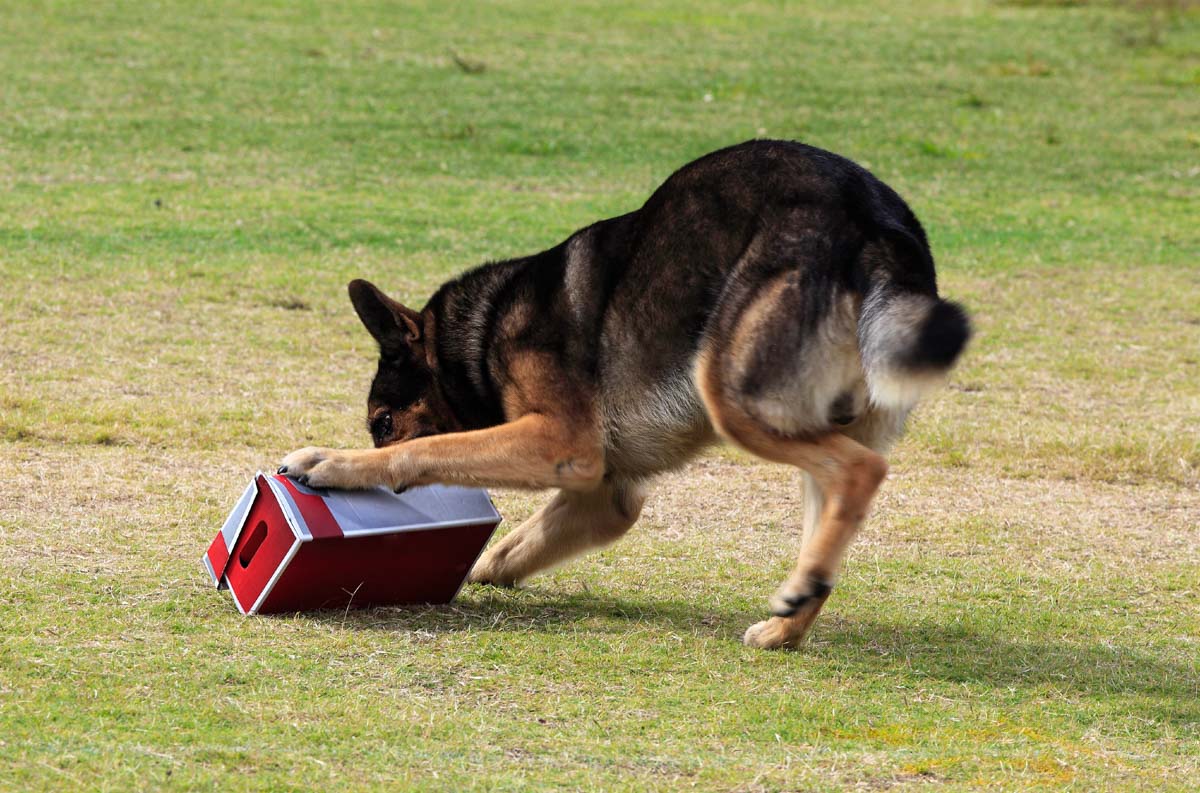

Bomb dogs are trained to identify specific chemical compounds used in explosives. They are deployed at airports, political events and crime scenes. Their job requires precision, and they are trained to alert without making physical contact with the item.
Wildlife Protection


In some regions, dogs assist conservation officers by tracking poachers, locating illegal animal products or protecting endangered species. Their work helps monitor protected areas and enforce anti-poaching laws. These dogs often work in national parks and remote reserves.
Locating Firearms and Ammunition


Dogs can detect the scent of gunpowder and firearms even when they are disassembled or hidden. Police use them to search vehicles, buildings and open spaces during investigations or raids. Their ability to locate weapons quickly helps prevent violence and secure evidence.
Crowd Control and Deterrence

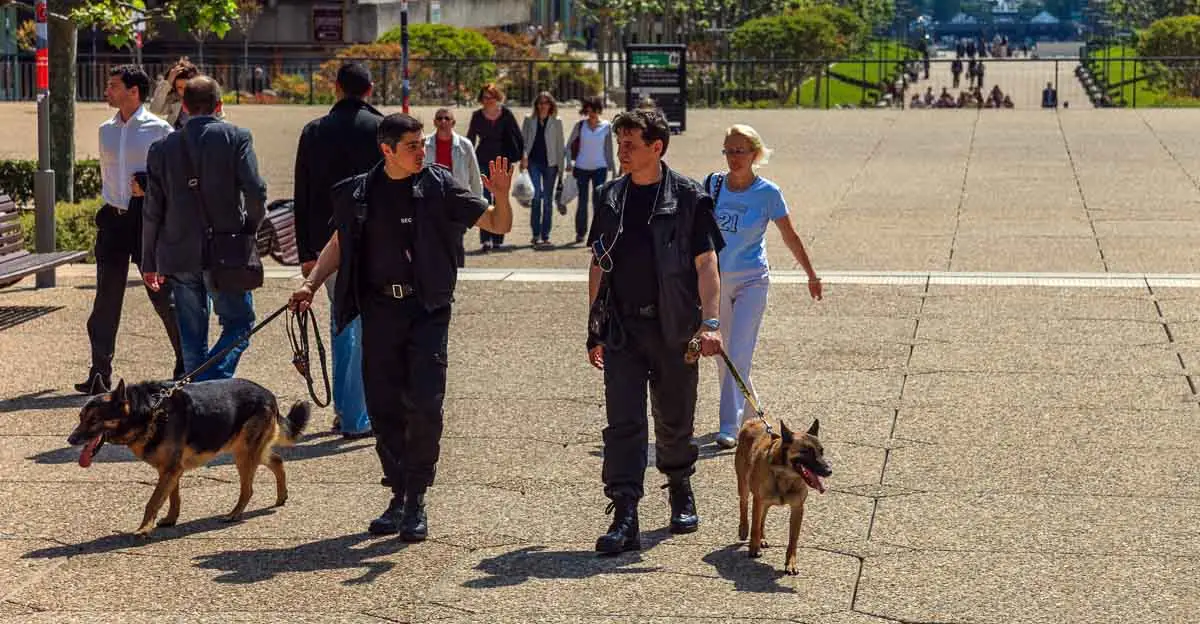
While not directly aggressive, some dogs are trained to manage large groups by maintaining presence and responding to handler commands. They assist in crowd management during protests, riots or large public events. Their training focuses on control, not intimidation.
13 Things People Get Totally Wrong About Police Dogs


Police dogs get a lot of credit, and most of it is well deserved, but a lot of what people think they know is completely wrong. They’re not all angry German Shepherds that only respond to German commands and spend their off-hours pacing in cages. The reality is a lot more complex and honestly, way more interesting. These dogs are more than tools, and they’re definitely not machines. They have real relationships, specific jobs and sometimes very strong opinions about who gets to hold the leash.
Read it Here: 13 Things People Get Totally Wrong About Police Dogs
11 Top Police Dogs That Go Beyond The German Shepherd


While German Shepherds have long been the face of police dogs, law enforcement agencies have started to branch out. Different jobs require different skill sets, and not every task suits a single breed. From agility to scent detection, various breeds bring unique abilities to the table, making them ideal for specialized roles. Agencies have also sought breeds that may be smaller, faster, or less intimidating, depending on the situation. Here are some of the other breeds sneaking into police work and what they’re used for.
Read it Here: 11 Top Police Dogs That Go Beyond The German Shepherd
*Select images provided by Depositphotos.