


Trust isn’t automatic with dogs—it’s earned. You can’t just show up with a bag of treats and expect them to worship you. Some dogs are naturally cautious, others have been burned before, and even the friendliest pups need consistency to feel safe. If your dog hesitates around you, ignores commands, or keeps their distance, you might need to work on building that bond. Here are some ways how.


Respect Their Space


Dogs aren’t naturally trusting of new people or environments. Instead of rushing interactions, let them come to you. Avoid reaching over their head or forcing contact, as this can feel threatening. Allow them to sniff and observe at their own pace, reinforcing their confidence.
Use Positive Reinforcement

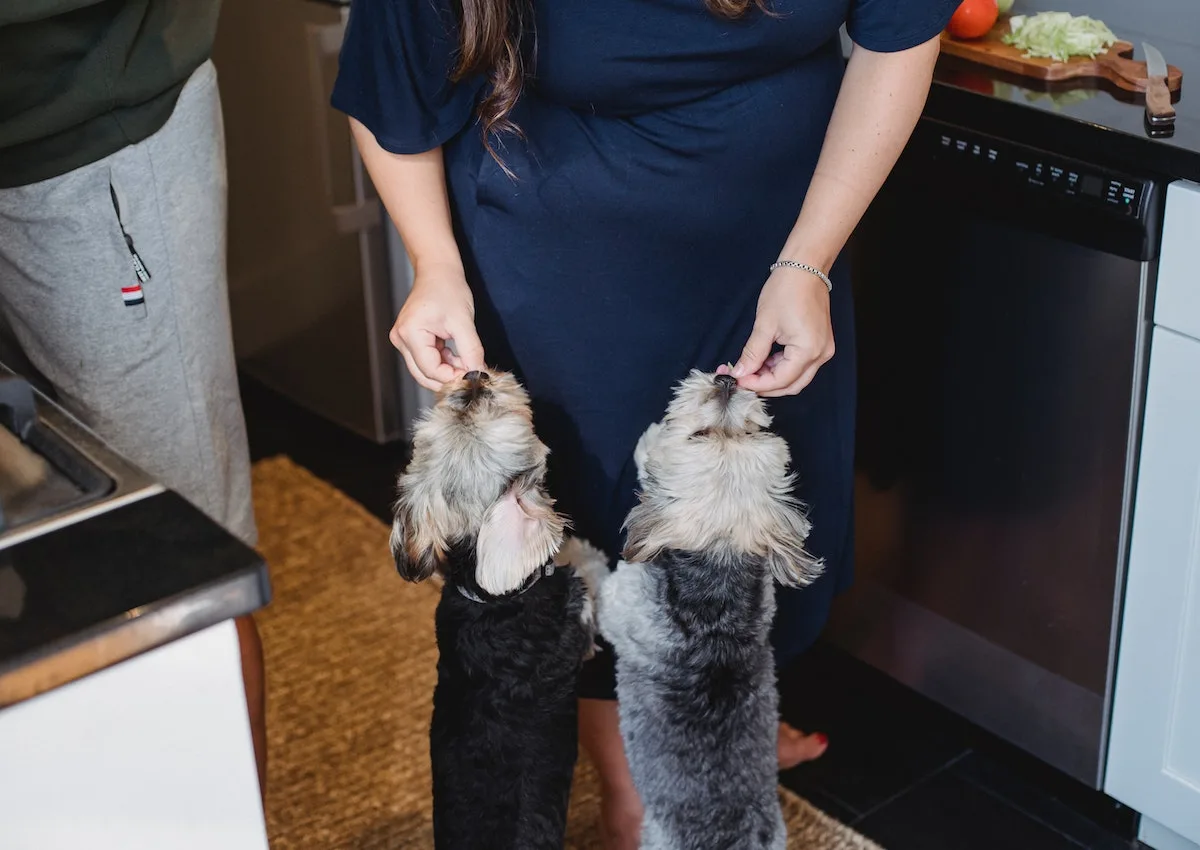
Dogs learn through association. Rewarding good behavior with treats, praise, or toys makes them associate you with positive experiences. This builds trust by reinforcing that good things happen when you’re around, creating a safe and rewarding bond.
Be Consistent with Rules


Inconsistent rules make dogs anxious and unsure of what to expect. If you sometimes allow them on the couch but scold them other times, it creates confusion. Sticking to consistent commands, routines, and expectations helps them feel secure and trust you as a leader.
Learn Their Body Language


Dogs communicate through subtle cues like ear position, tail wagging, and eye contact. Recognizing signs of stress, excitement, or relaxation helps you respond appropriately, making them feel heard and respected. Trust grows when they know you understand their needs.
Avoid Sudden Movements or Loud Noises


Loud voices, unexpected gestures, or abrupt movements can startle dogs, especially rescues or anxious breeds. Moving calmly, speaking gently, and giving them time to adjust to new environments helps them associate you with safety instead of unpredictability.
Engage in Play Regularly


Play is a powerful bonding tool. Games like fetch, tug-of-war, or puzzle toys strengthen your connection while keeping their mind stimulated. A dog that plays with you sees you as fun and engaging, reinforcing your role as a trusted companion.
Hand Feed Treats and Meals


Hand-feeding isn’t just a bonding exercise; it establishes you as a provider and builds positive reinforcement with food. It’s especially useful for nervous or newly adopted dogs, teaching them that human hands bring rewards, not threats.
Give Them Choices When Possible


Control over their environment makes dogs feel more secure. Letting them choose their sleeping spot, picking a toy, or deciding when they’re ready for affection builds confidence and shows you respect their needs, deepening mutual trust.
Don’t Force Interactions


Forcing a dog to interact when they’re scared or uncomfortable can backfire. Let them initiate petting, meeting new people, or exploring new places at their own pace. Giving them space fosters confidence and reassures them that you respect their boundaries.
Provide a Safe and Calm Environment
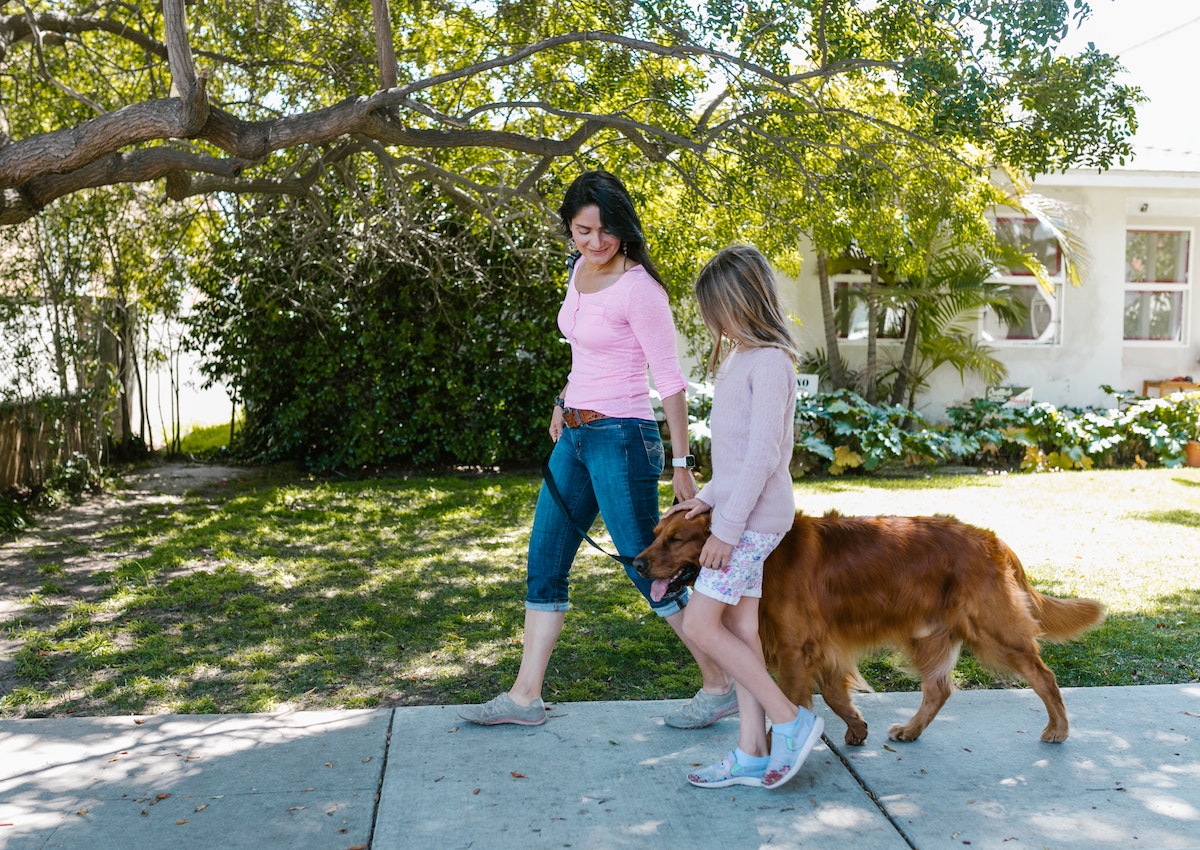
A stable routine, a quiet retreat, and a predictable environment reduce anxiety. Dogs thrive on structure—knowing when they’ll eat, walk, and sleep builds security. When they feel safe in their home, they trust you as the one providing that stability.
15 Subtle Signs Your Dog Trusts You Completely


Trust is everything in a relationship, even with your dog. Unlike people, dogs don’t sugarcoat their feelings—they show you exactly where you stand in their world. Building trust takes time, consistency, and a little bit of effort, but the rewards are worth it. When a dog trusts you, it’s like being handed a VIP pass to their inner circle. They’ll give you clues through their actions, some subtle and some not so much, that let you know you’ve earned their confidence.
Read it Here: 15 Subtle Signs Your Dog Trusts You Completely
10 Common Things That Can Accidentally Break Your Dog’s Trust


Trust is everything when it comes to your dog, but it’s easier to break than you might think. One wrong move and suddenly your loyal companion is giving you the cold shoulder. It’s not always the obvious stuff, either—sometimes the smallest things can make your dog question what’s going on. If your pup seems a little hesitant, avoids eye contact, or doesn’t come running like they used to, something might be off. No one wants to accidentally mess up their bond with their dog, but it happens more than you’d think. Here’s what could be causing the problem and how to fix it.
Read it Here: 10 Common Things That Can Accidentally Break Your Dog’s Trust
*Select images provided by Depositphotos.