

When a dog refuses to walk, there’s always a reason. Something feels off, and dragging them forward won’t fix it. Discomfort, anxiety, or even something as simple as bad weather could be the problem. Ignoring their hesitation can make things worse and turn walks into a battle. Dogs communicate through their actions, and stopping in their tracks is their way of getting your attention.
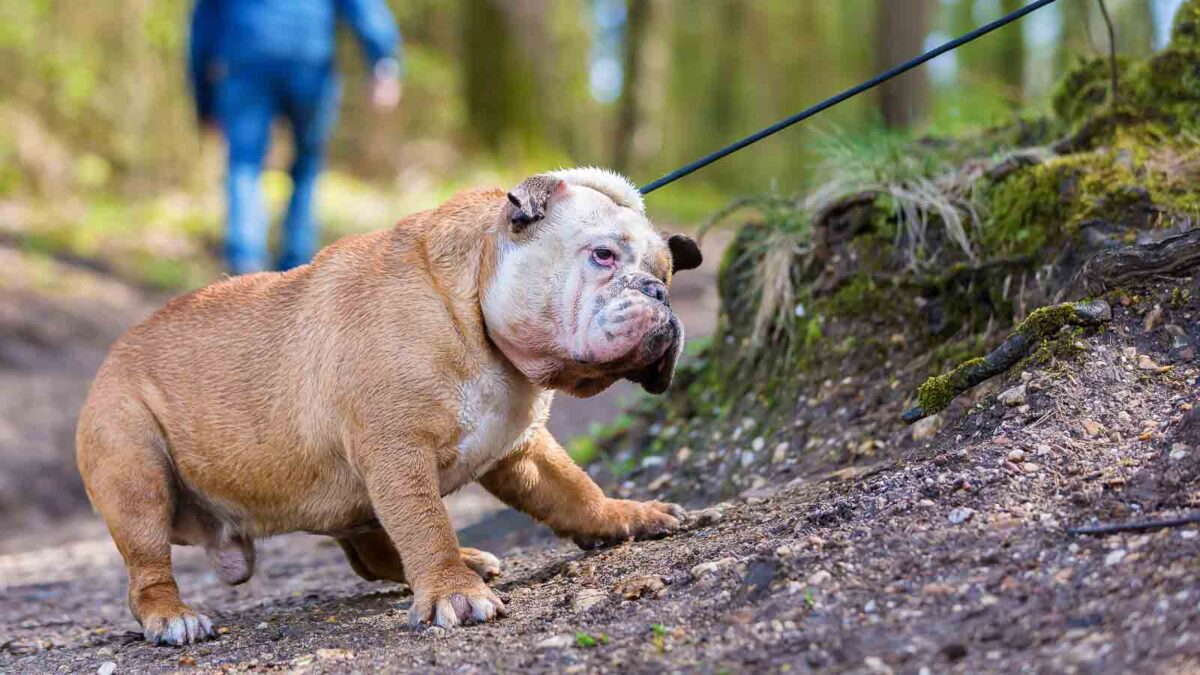

They Plant Their Feet and Won’t Budge


This usually means something is making them uncomfortable. It could be a new environment, an unfamiliar smell, or even a past bad experience in that area. Forcing them to move without addressing their hesitation can make things worse.
They Keep Looking Back at the House
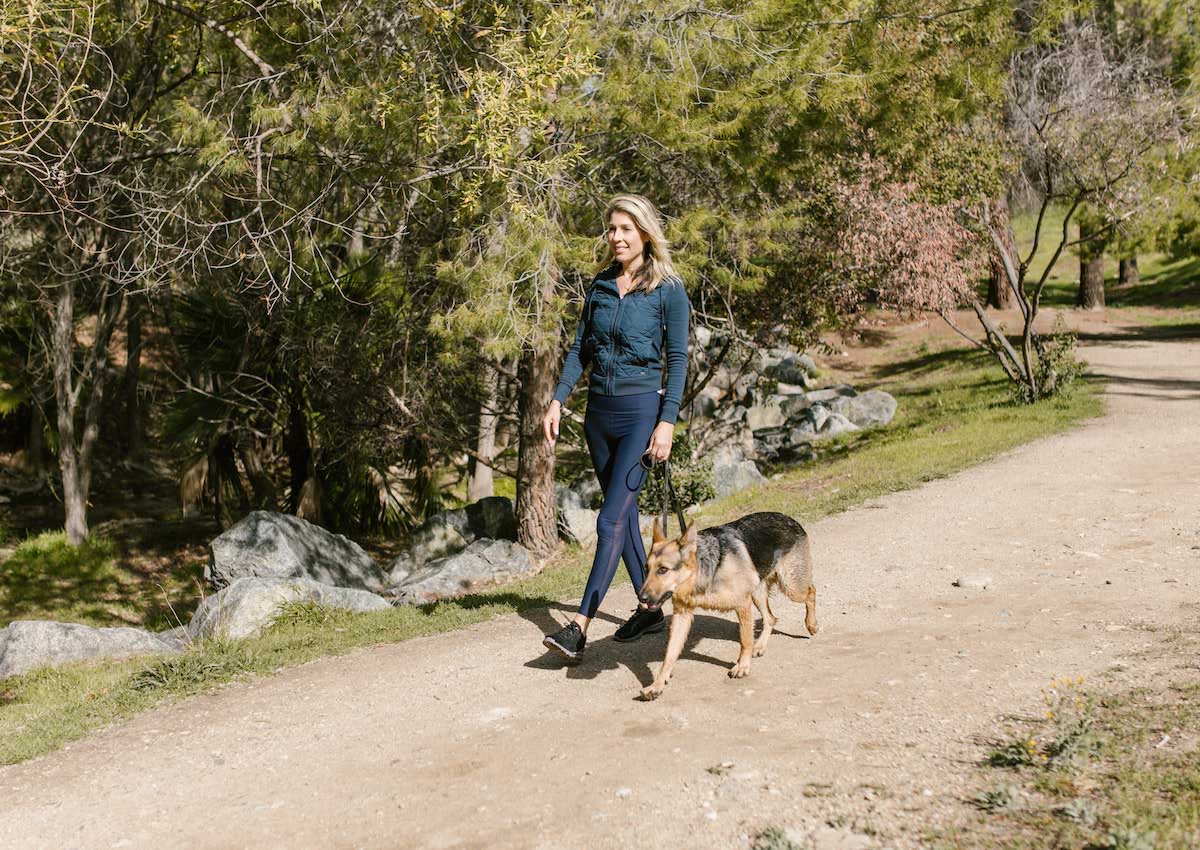

If your dog is constantly glancing back, they might feel anxious about leaving home. Separation anxiety, fear of being too far from their safe space, or even knowing someone they love is still inside could be the reason.
They Suddenly Sit or Lay Down Mid-Walk


This is often a sign that they’re either tired, overheated, or just not feeling up for the journey. Older dogs might be dealing with joint pain, while younger ones might just be overwhelmed or uninterested in the route.
They Only Walk in One Direction (Toward Home)


If your dog refuses to go any further but has no issue turning around, they might feel uneasy about where you’re heading. They could sense something off in the environment, be in discomfort, or just be over the whole walk.
They Keep Licking or Biting Their Paws


If your dog suddenly fixates on their paws mid-walk, they could have stepped on something irritating. Hot pavement, rock salt, burrs, or even an allergic reaction might be causing pain or discomfort. Check their paws before pushing forward.
They Avoid Certain Areas or Surfaces

If your dog refuses to walk over a particular patch of grass, sidewalk, or flooring, there’s a reason. It could be a smell they don’t like, a painful memory tied to that spot, or something as simple as a surface that feels too hot or rough.
They Keep Sniffing the Air and Standing Still


Dogs have incredible noses, and if they stop in their tracks and start sniffing, they’ve probably picked up something unusual. It could be a scent they’re unsure of, another animal nearby, or even changes in the weather that they can sense before you can.
They’re Shaking or Trembling


Shaking isn’t just from cold weather—it can also be a sign of fear, stress, or medical issues. If your dog trembles every time they go outside, they could be dealing with anxiety or an association with something negative from past walks.
They Try to Walk in the Opposite Direction


If your dog actively resists and tries to lead you another way, they might be avoiding something that makes them uncomfortable. Loud noises, strange dogs, a past bad experience, or even a place they just don’t like could be the reason.
They Keep Scratching at Their Collar or Harness
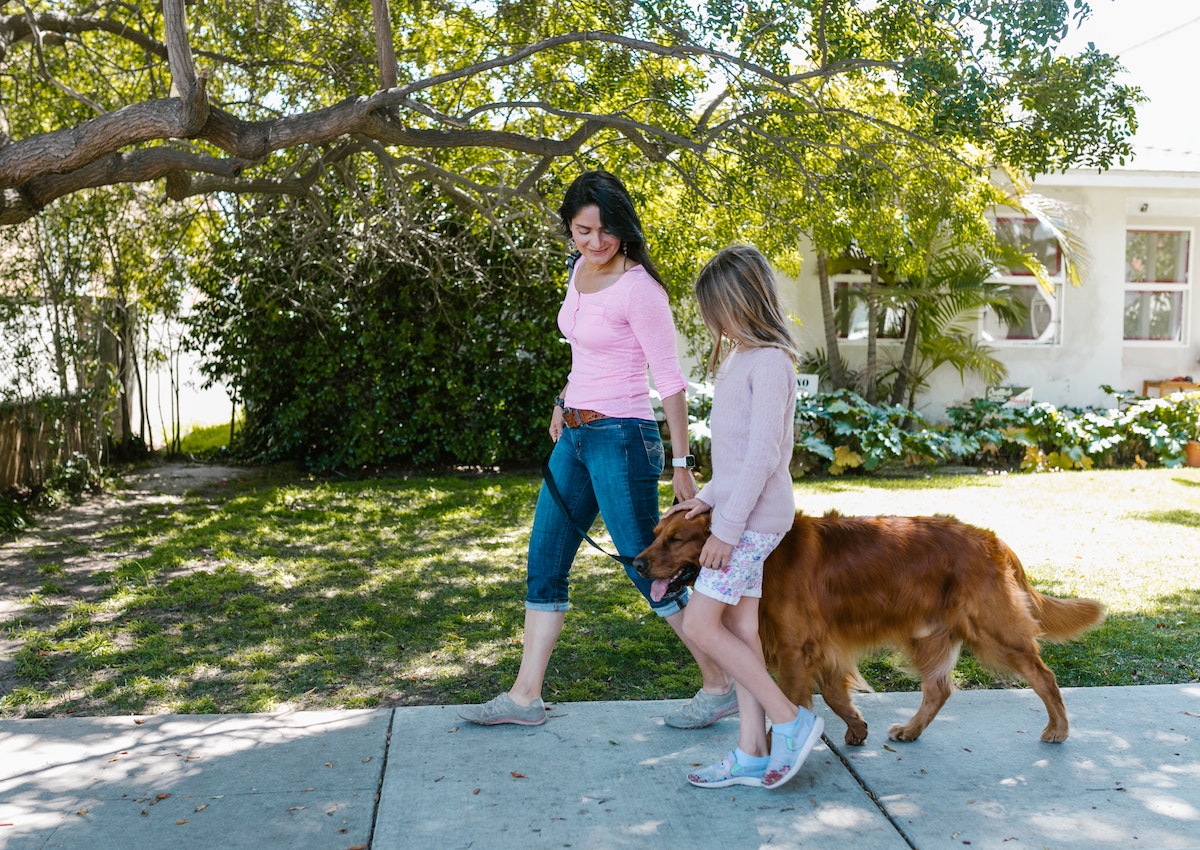
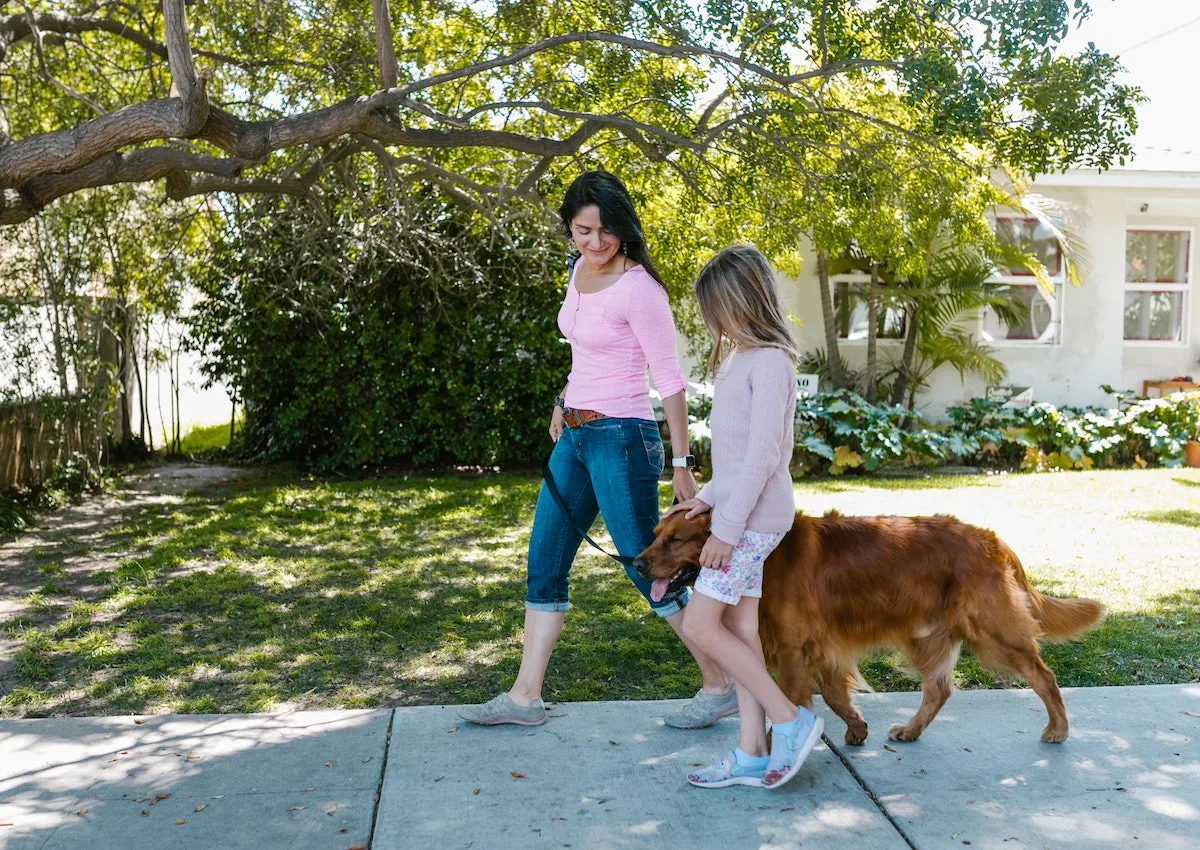
A poorly fitted collar or harness can make walks miserable. If your dog keeps scratching, shaking, or rubbing against things, their gear could be too tight, too loose, or just plain uncomfortable. A quick adjustment might fix the issue.
They Refuse to Move When It’s Raining or Cold


Some dogs flat-out hate certain weather conditions. Rain, snow, or extreme cold might be enough for them to protest going outside. If they refuse to walk in bad weather, investing in a coat or boots might help—or they might just want a shorter trip.
They Look at You and Whine Instead of Walking


If your dog stops, stares at you, and starts whining, they’re trying to tell you something’s wrong. They could be feeling sick, in pain, or just plain exhausted. Pushing them forward without figuring out the problem can make things worse.
10 Top Tips For Training Your Dog To Walk Off-Leash
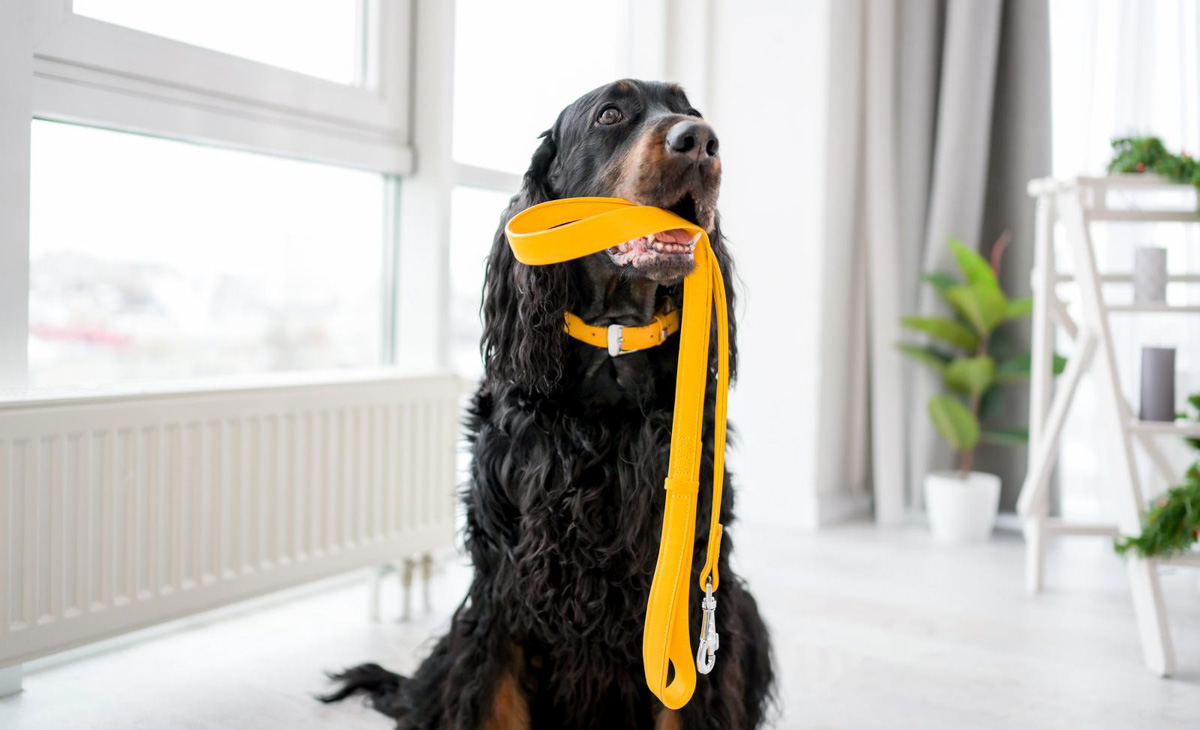

Training your dog to walk off-leash can be incredibly rewarding, but it takes some patience and effort. The key is to ensure your dog listens to you even when distractions are high. From basic obedience to practicing recall, there are several steps to make off-leash walking safe and enjoyable. Here’s how you and your pup can master the skill.
Read it Here: 10 Top Tips For Training Your Dog To Walk Off-Leash
10 Hacks for Keeping Your Dog’s Paws Clean After Walks


Every time your dog comes back from a walk, they bring along dirt, grime, and potentially harmful bacteria. Their paws pick up all kinds of environmental debris, from chemicals on sidewalks to mud from parks. Dogs love exploring, but their paws can be little carriers for things you’d rather not have indoors, making regular cleaning a must for a cleaner, safer environment for both you and your pet.
Read it Here: 10 Hacks for Keeping Your Dog’s Paws Clean After Walks