

Dogs rely on us to get their nutrition right, but figuring out if their diet is doing its job isn’t always straightforward. Subtle changes in their behavior, energy, or appearance can point to gaps in what they’re eating. Ignoring these signs can lead to bigger issues down the road, but the good news is that most problems are easy to spot and fix.


Dull or Brittle Coat


A shiny, healthy coat isn’t just for looks—it’s a sign of proper nutrition. If your dog’s fur is looking more like a bad wig, they could be missing essential fatty acids or vitamins like biotin. Adding omega-3s or a quality dog food with balanced nutrients can make a big difference.
Excessive Shedding


All dogs shed, but if it looks like a fur bomb went off every time they move, they might not be getting enough protein or key vitamins like B7. A high-quality diet can help reduce this snowstorm effect.
Chronic Itching or Dry Skin


If your dog is scratching more than normal, their diet might be short on omega-3 fatty acids or zinc, both of which support skin health. Try adding fish oil or switching to a food with better nutrient content to soothe their skin.
Lack of Energy


Dogs aren’t couch potatoes by nature. If your pup seems more interested in snoozing than playing, it could be a sign of inadequate calories or low-quality protein. Adjust their food to match their activity level and age to bring back their pep.
Frequent Digestive Upsets


Gas, diarrhea, or vomiting shouldn’t be regular occurrences. These issues might mean their food isn’t digestible enough or lacks proper fiber and probiotics. A better diet with natural ingredients can calm their stomach and prevent you from lighting too many candles.
Bad Breath


Stinky breath isn’t just about dental hygiene; it could mean their diet lacks proper enzymes or quality protein. Opt for foods with real meat and consider dental chews or brushing to keep things fresh.
Overweight Despite Eating Normal Portions


Weight gain on a balanced portion can signal too many fillers like corn and not enough protein. Switch to a diet with fewer carbs and more lean meat to help manage their weight while keeping them satisfied.
Constant Hunger


If your dog acts like they haven’t eaten in weeks right after a meal, their food may lack the nutrients they need to feel full. High-fiber or protein-rich options can help keep those puppy-dog eyes at bay.
Weak or Brittle Nails
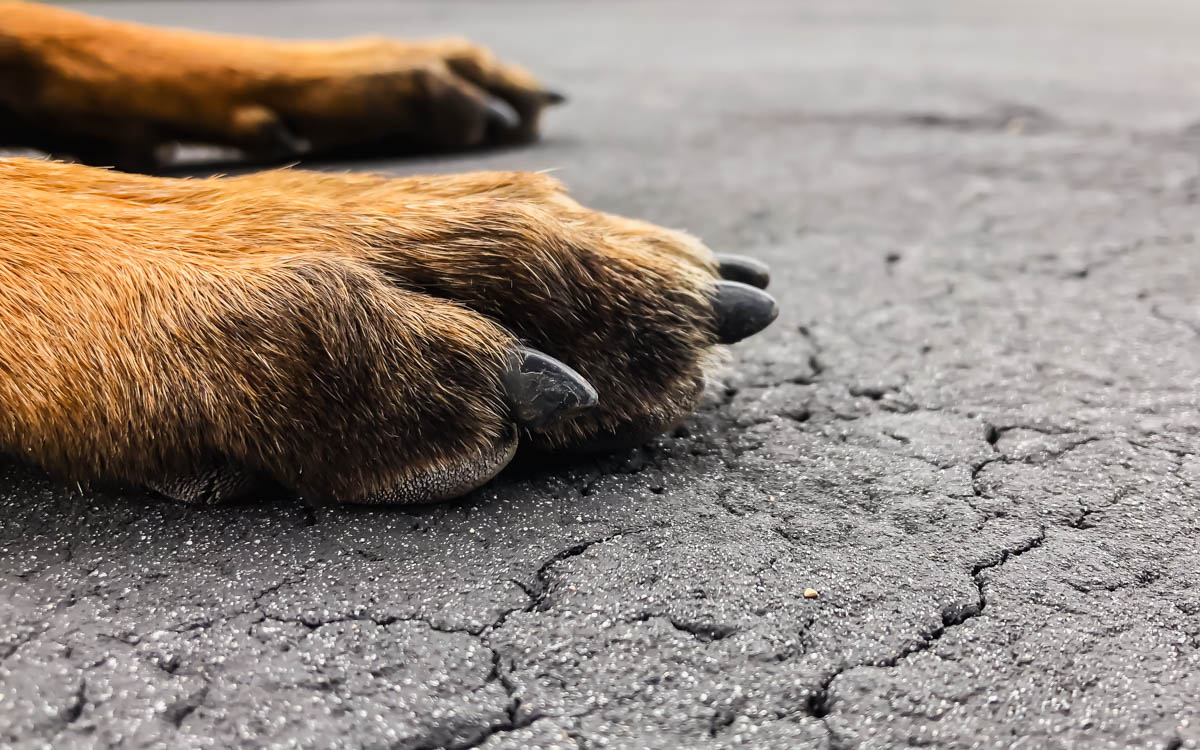

If your dog’s nails are cracking or weak, they could be missing nutrients like zinc or calcium. Supplements or better-formulated dog food can strengthen those claws.
Frequent Infections or Illnesses


A weak immune system often points to a lack of vitamins like A, E, or C in their diet. Boosting their food with antioxidant-rich ingredients can help them fight off sickness more effectively.
Picky Eating or Food Refusal


Dogs refusing food that once excited them might be signaling a lack of taste appeal or nutritional balance. A switch to higher-quality food or adding toppers like bone broth can reignite their appetite and meet their needs.
Unexplained Behavioral Changes


Sudden mood swings, like irritability or lethargy, could hint at missing nutrients. A lack of proper amino acids or vitamins can affect their brain function. A balanced diet tailored to their age and breed can help bring back their good vibes.
9 Foods That Can Improve Your Dog’s Coat And Make It Shinier


If your dog’s coat has lost its shine, you might be surprised that their diet could be the key to bringing it back. What they eat plays a big part in the health and appearance of their fur. With just a few small changes to their meals, you can help boost their coat’s luster and softness. These foods are easy to add and can make a world of difference in how your dog looks and feels.
Read it Here: 9 Foods That Can Improve Your Dog’s Coat And Make It Shinier
13 Dog Diet Tips That Could Add Years To Your Pet’s Life


Owning a dog comes with the challenge of making sure they eat right, which can be as tricky as managing a toddler’s diet. From balancing protein to keeping them hydrated, every choice impacts their health. This article breaks down essential diet tips that could not only simplify feeding time but also help your dog live a longer, healthier life. Let’s get right into how you can nourish your furry friend the best way possible.
Read it Here: 13 Dog Diet Tips That Could Add Years To Your Pet’s Life
*Select images provided by Depositphotos.