

Training your dog does more than teach them tricks—it helps create a safer and more enjoyable life together. Basic commands give your dog clear guidance and help them understand what you expect in different situations. They also strengthen communication and build trust between you and your pet. These nine commands form a strong foundation for a well-behaved and confident dog.
Come


The recall command is one of the most valuable skills your dog can learn. When your dog reliably comes when called, it can prevent dangerous situations and keep them safe outdoors. Consistent practice and rewards help build a strong response. A dependable recall gives you peace of mind during walks and adventures.
Sit


“Sit” is often the first command dogs learn and serves as the foundation for many others. It helps your dog focus and remain calm in situations that might otherwise excite them. This command can be used before meals, greetings, or crossing the street. It’s simple but incredibly useful in everyday life.
Leave It


This command teaches your dog to ignore something tempting or potentially dangerous. Whether it’s food on the ground or an object they shouldn’t chew, “Leave It” helps prevent trouble before it starts. Practicing this skill can protect your dog from harmful items. It’s a powerful safety command every dog should understand.
Stay


“Stay” asks your dog to remain in place until you release them. It can be incredibly helpful when opening doors, greeting visitors, or crossing busy areas. This command builds patience and self-control. With regular practice, your dog learns that staying put brings rewards.
Heel
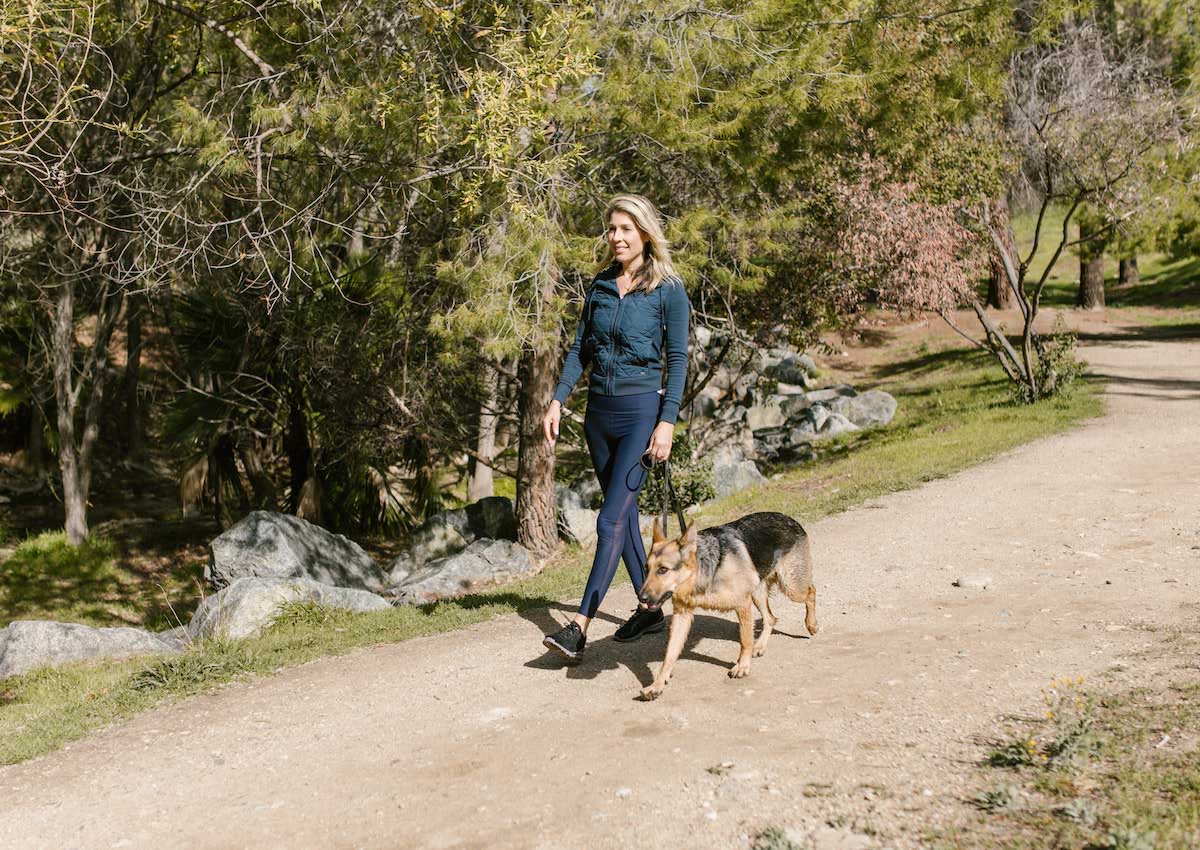

Walking politely beside you can transform daily walks into enjoyable outings. The “Heel” command encourages your dog to stay close rather than pulling ahead on the leash. It also improves control in busy areas. Over time, leash manners make walks more relaxed for both of you.
Down


The “Down” command helps your dog settle into a relaxed position. It can be especially useful during visits, at restaurants, or when you want your dog to calm down. Teaching this command encourages patience and relaxation. It’s also a helpful step toward longer stays and advanced training.
Wait


“Wait” is useful when you want your dog to pause temporarily before moving forward. It can be used at doors, sidewalks, or before meals. This command encourages impulse control and awareness. Over time, it helps your dog become more patient and attentive.
Drop It
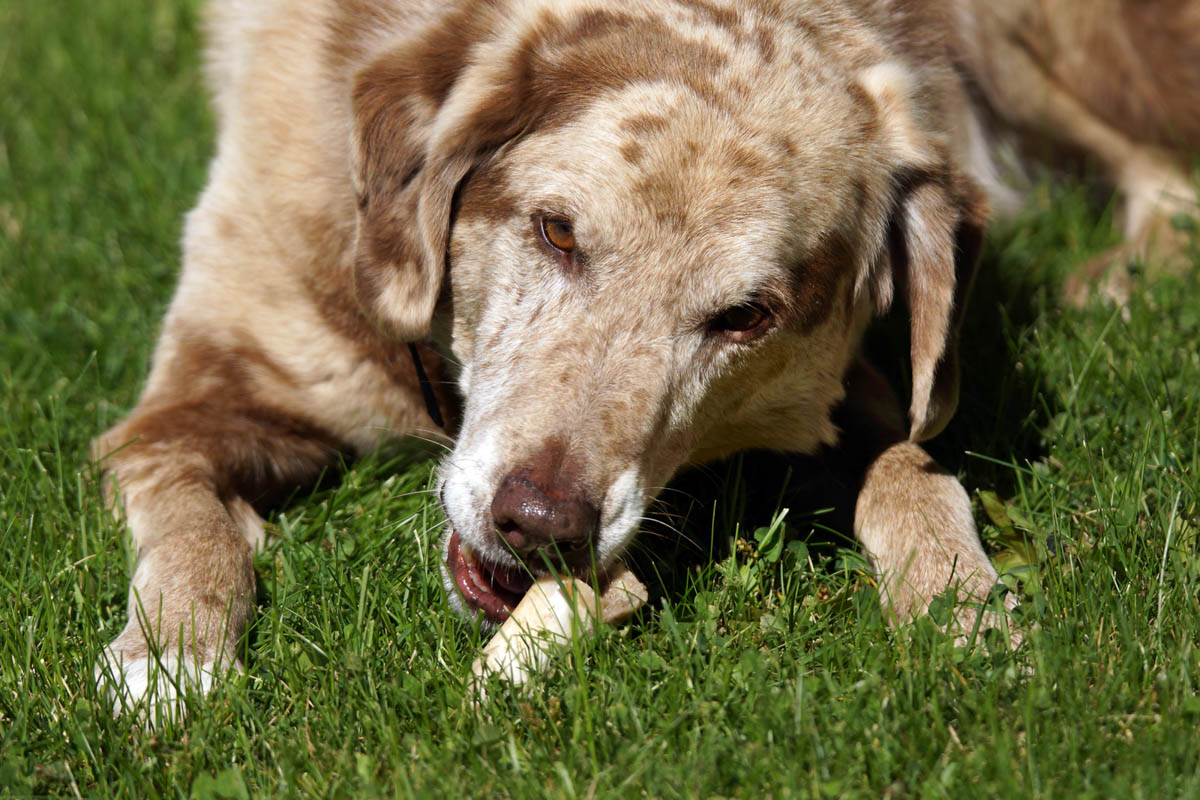

If your dog grabs something they shouldn’t have, “Drop It” becomes extremely important. This command teaches them to release objects safely and quickly. It also makes games like fetch easier and more structured. Practicing regularly helps your dog learn to give things up without hesitation.
Off


“Off” helps teach your dog appropriate boundaries. It can stop jumping on guests, climbing onto furniture, or pushing into personal space. This command encourages polite behavior around people and in shared spaces. Consistent reinforcement helps your dog understand when it’s time to back away.