
It is easy to overlook the small things that may be making your dog feel uneasy. Many common routines and household habits can create stress without owners realizing it right away. The good news is that once you spot these triggers, it becomes much easier to help your dog feel secure and comfortable. Here are nine ways you may be adding to your dog’s anxiety without meaning to.
Too Much Time Alone


Dogs are social animals, so long stretches without company can be hard on them. When they spend too much time by themselves, stress can build and sometimes turn into destructive behavior or separation-related issues. Regular interaction, breaks during the day, or extra support when you are away can make a big difference.
Unclear Rules and Mixed Signals


Dogs tend to feel more secure when they understand what is expected of them. If the rules change from day to day or training is inconsistent, that confusion can create tension and uncertainty. Clear boundaries and steady guidance usually help them relax and respond with more confidence.
Not Enough Exercise


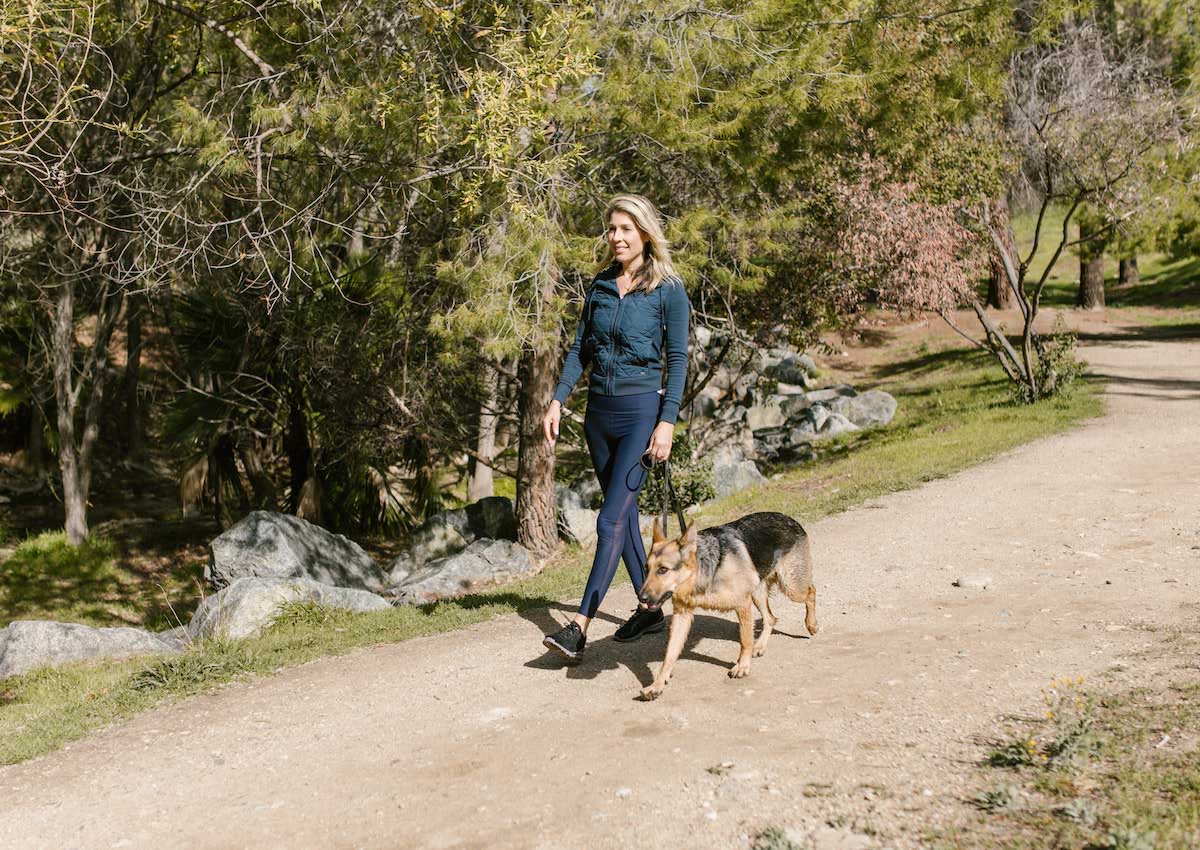
When dogs do not get enough physical movement or mental activity, that pent-up energy has to go somewhere. In many cases, it shows up as restlessness, nervous habits, or chewing and other unwanted behavior. Daily walks, games, and enrichment can help take the edge off and keep them more settled.
Sudden Changes at Home


Dogs notice shifts in the household more than people sometimes realize. A new baby, a houseguest, a roommate moving out, or even a major schedule change can throw off their sense of stability. Easing them into transitions and giving them extra reassurance can help prevent those changes from becoming overwhelming.
No Safe Place to Unwind


Every dog benefits from having a quiet spot where they can retreat when they need a break. Without a space that feels calm and predictable, they may stay on edge more often than you realize. A comfortable bed or low-traffic area can give them a sense of security during stressful moments.
Loud Surroundings


Many dogs are sensitive to sudden or intense noise, whether it comes from storms, fireworks, shouting, or household machines. Repeated exposure to those sounds can leave them tense and uneasy. Giving them access to a quieter part of the home can help them feel more protected when things get noisy.
Punishing Them for Being Scared


A fearful dog is not trying to misbehave, so punishment usually makes the situation worse instead of better. When they are corrected for reacting nervously, they may start to associate that moment with even more stress. Gentle reassurance and reward-based training tend to build trust far more effectively.
Skipping Socialization


Dogs that rarely experience new people, animals, or environments may have a harder time coping when something unfamiliar appears. That lack of exposure can make ordinary situations feel intimidating. Gradual, positive social experiences often help dogs become more adaptable and less anxious in daily life.
An Unpredictable Daily Routine

Dogs usually feel most at ease when life follows a pattern they can count on. Irregular mealtimes, changing walk schedules, or inconsistent bedtime habits can leave them unsettled. Keeping their day more predictable often helps them feel safer and more relaxed overall.