
Some dogs can handle a little solitude without much trouble, but others find it genuinely hard to be away from their people. Breeds that are highly social, deeply attached, or packed with mental and physical energy often have the toughest time being left alone for long stretches. When their needs are not met, that stress can show up as barking, chewing, pacing, or other unwanted behaviors. Here are 12 breeds that usually do best in homes where they get plenty of company and interaction.
Cavalier King Charles Spaniel


Cavaliers are loving companion dogs that usually want to stay close to their favorite people. When they spend too much time alone, they can become upset and start showing that stress through barking, chewing, or a noticeable change in mood. They are often happiest in homes where someone is around often enough to give them the closeness they crave.
Border Collie


Border Collies are incredibly smart dogs, but that intelligence comes with a constant need for engagement. If they are left alone too often without enough to do, boredom can build fast and turn into destructive habits. These dogs usually thrive when they have both meaningful activity and plenty of interaction with their people.
Havanese


Havanese are cheerful little dogs that tend to form very close bonds with the people around them. They are not usually the kind of breed that enjoys being isolated for hours at a time. When left alone too much, they may become noisy, restless, or destructive as a way of coping with the stress.
Australian Shepherd

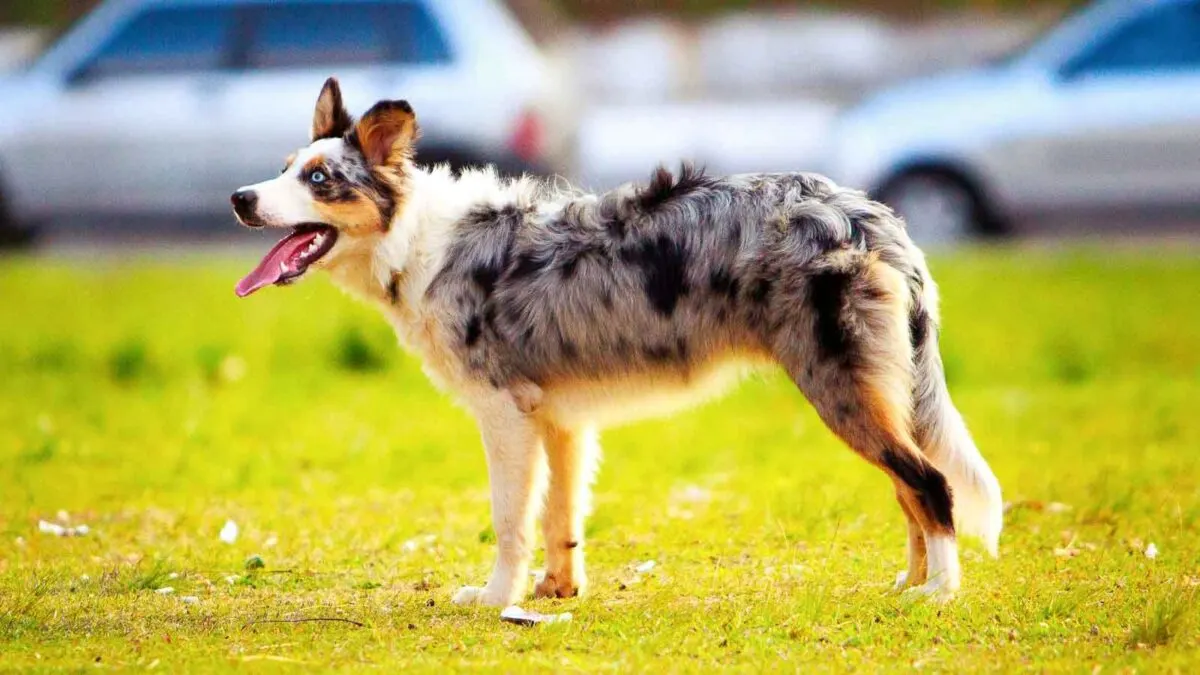
Australian Shepherds are working dogs through and through, which means they often need far more stimulation than people expect. Long periods alone can leave them frustrated, especially if they are not getting enough exercise or mental challenges before and after. In many homes, that frustration quickly shows up in chewing, digging, or nonstop barking.
Japanese Chin


Japanese Chins are sensitive little companions that often prefer being near their people as much as possible. They can have a hard time settling when left on their own for too long, especially in quiet homes where the absence feels more noticeable. Their stress may come out through vocalizing, clinginess, or nervous habits that worsen over time.
Vizsla


Vizslas are often called velcro dogs because of how intensely they attach themselves to their owners. They love closeness, movement, and being involved in whatever is happening around them. Without enough company and activity, they can become anxious very quickly and may channel that anxiety into chewing, pacing, or constant barking.
Miniature Schnauzer


Miniature Schnauzers are lively, people-oriented dogs that usually like being part of the action. They can become stressed when they feel cut off from the household for too long, especially if they are not getting enough interaction during the day. That tension often shows up in loud barking, nervous energy, or destructive behavior around the home.
Bichon Frise


Bichons may look carefree, but many are quite dependent on human company. They often struggle when the house feels empty for long periods, and that can lead to barking, accidents indoors, or chewing. These dogs are usually best suited to homes where they are part of daily life rather than left on their own for most of the day.
Italian Greyhound


Italian Greyhounds are gentle, sensitive dogs that tend to bond very deeply with their favorite people. Because of that, extended alone time can feel especially unsettling for them. They often do best in homes where they get reassurance, closeness, and a routine that does not leave them isolated for too long.
Lagotto Romagnolo


Lagottos are bright, affectionate dogs that need more than a quick walk and a food bowl to stay content. If they are left alone for too long without enough stimulation, they can become frustrated and start inventing their own entertainment. That often means digging, chewing, or other problem behaviors that are really signs of unmet needs.
Cocker Spaniel


Cocker Spaniels are affectionate dogs that usually prefer being close to their family rather than spending hours by themselves. Too much solitude can leave them stressed, and that emotional strain may show up in destructive habits or excessive barking. They tend to do much better when they have regular companionship and something to keep their minds occupied.
Hungarian Puli


Pulis are active, clever dogs that were bred to stay busy and engaged. When they are left alone without enough exercise or mental outlets, they can become noisy, destructive, and difficult to manage. They are often happiest with owners who can provide both structure and plenty of day-to-day interaction.