
Some dogs seem to have a built-in talent for gaining weight, especially when treats are involved. Whether it’s their love of food, slower metabolism, or laid-back personality, these 11 breeds can easily pack on extra pounds. The good news is that with the right balance of diet and activity, they can stay healthy while still enjoying their meals.
Beagle


Beagles are always on the hunt for their next snack, thanks to their powerful sense of smell. They rarely pass up an opportunity to eat, which can lead to steady weight gain if portions aren’t controlled. Regular activity and mindful feeding help keep them from overindulging.
Labrador Retriever


Labradors are famously food-driven and rarely feel full. Their friendly, easygoing nature often pairs with a big appetite, making them prone to overeating. Keeping a structured feeding routine is key to maintaining a healthy weight.
Bulldog
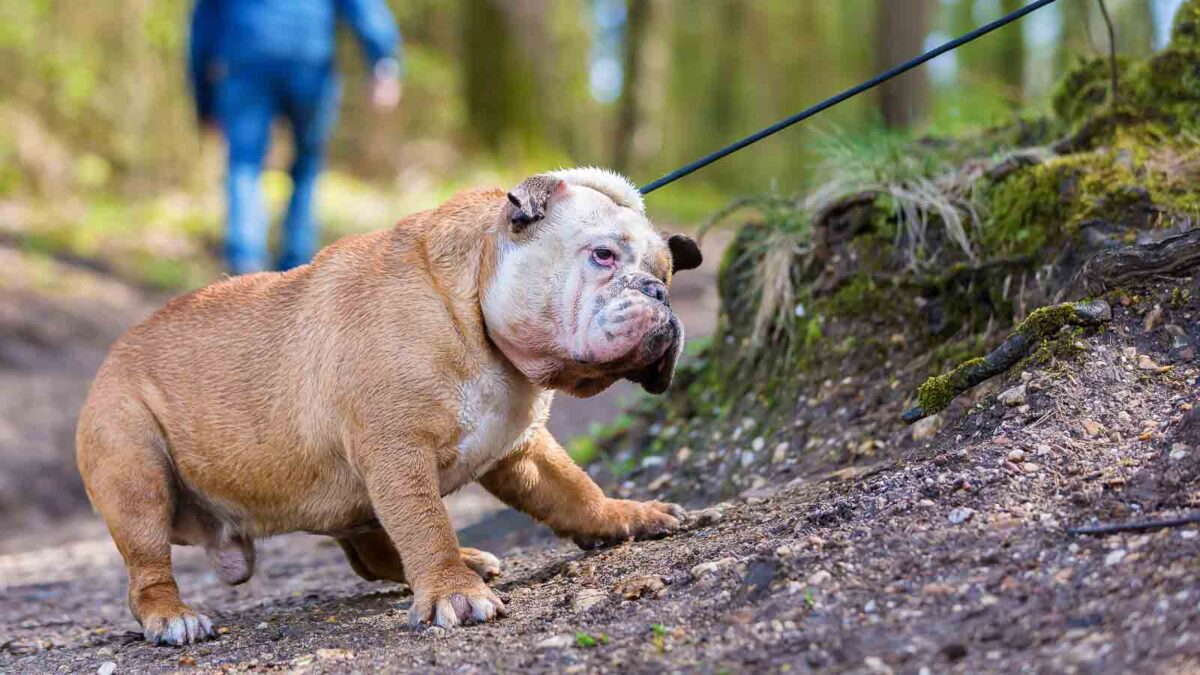

Bulldogs tend to prefer lounging over moving, which doesn’t help when treats are involved. Their slower pace means they burn fewer calories throughout the day. Encouraging light exercise and limiting snacks can make a big difference.
Pug


Pugs are small but incredibly fond of food, and their low activity level makes weight gain easy. They enjoy relaxing just as much as eating, which can quickly add up. Keeping treats limited and encouraging daily walks helps maintain balance.
Golden Retriever


Golden Retrievers love both food and downtime, which can lead to extra weight if not monitored. Their friendly nature often means they’re given treats more often than needed. Staying consistent with exercise helps keep them fit.
Dachshund


Dachshunds have a strong appetite and a knack for convincing owners to share snacks. Their long bodies make extra weight especially problematic, so careful portion control is important. Keeping them active supports both their weight and overall health.
Cocker Spaniel


Cocker Spaniels are enthusiastic eaters and may prioritize snacks over activity if given the chance. Their love for treats can quickly lead to weight gain without proper balance. Daily walks and structured meals help keep them in shape.
Rottweiler

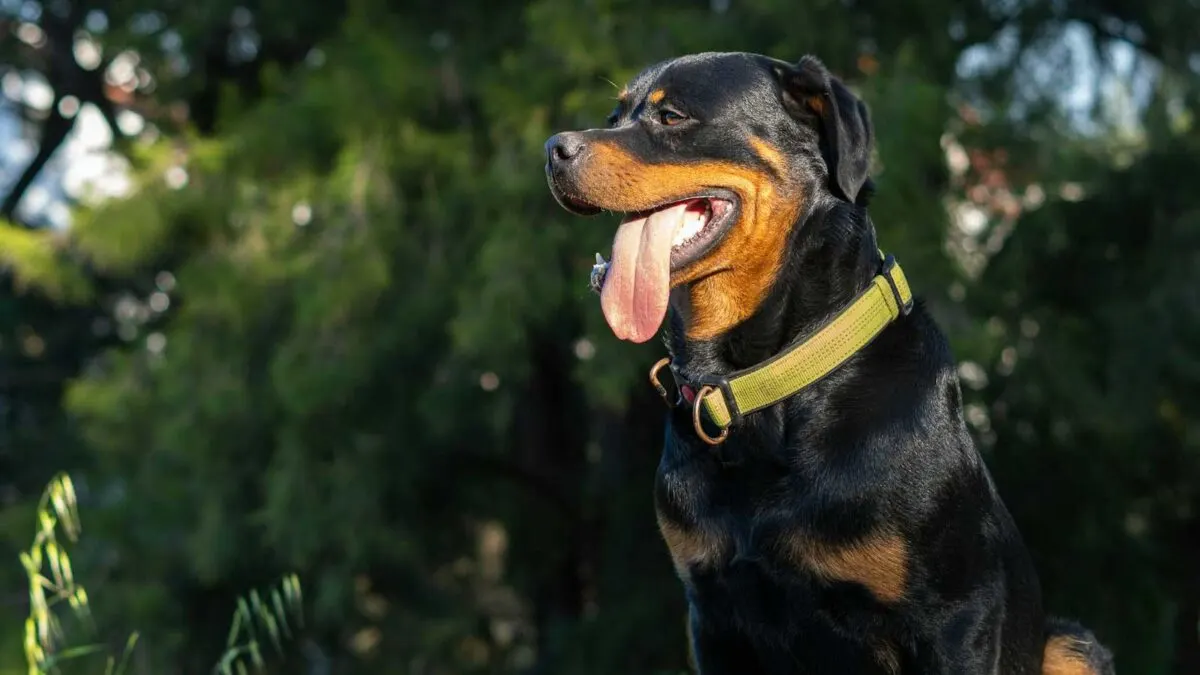
Rottweilers have big appetites to match their size, and extra weight can build up quickly if they’re not active. While they can handle a larger frame, excess weight can affect their health. Regular exercise and portion control are essential.
Boxer


Boxers are active dogs, but their love for food can still lead to weight gain if not managed. Without enough exercise, those extra calories can add up quickly. Keeping them engaged and active helps balance their diet.
Newfoundland


Newfoundlands are gentle giants who enjoy eating just as much as they enjoy resting. Their slower pace can contribute to weight gain if their diet isn’t monitored closely. Consistent activity and controlled portions help keep them healthy.
Basset Hound


Basset Hounds are known for their relaxed nature and love of snacks. Their slower metabolism and low activity levels make weight gain more likely. Keeping them in a routine with measured meals and light exercise is key.